Cars you can buy in South Africa that let you skip paying tax


While buying any new vehicle in South Africa includes paying 15% Value-Added Tax (VAT), there is a list of vehicles that allow buyers to reclaim VAT as an input tax deduction or refund.
Under the South African Value-Added Tax Act, this depends on the type of vehicle and the nature of the buyer’s business.
As a general rule, VAT-registered vendors cannot deduct input tax when buying a “motor car”, even if the vehicle is used for business purposes.
These vehicles include sedans, hatchbacks, SUVs, and double-cab bakkies, and do not qualify for an input tax deduction when purchased by general vendors.
As a result, an ordinary business buyer may only claim an input tax deduction if the vehicle they are buying does not fall within the definition of a “motor car” and is bought to make “taxable supplies”.
According to the Value-Added Tax Act, eligible vehicles include:
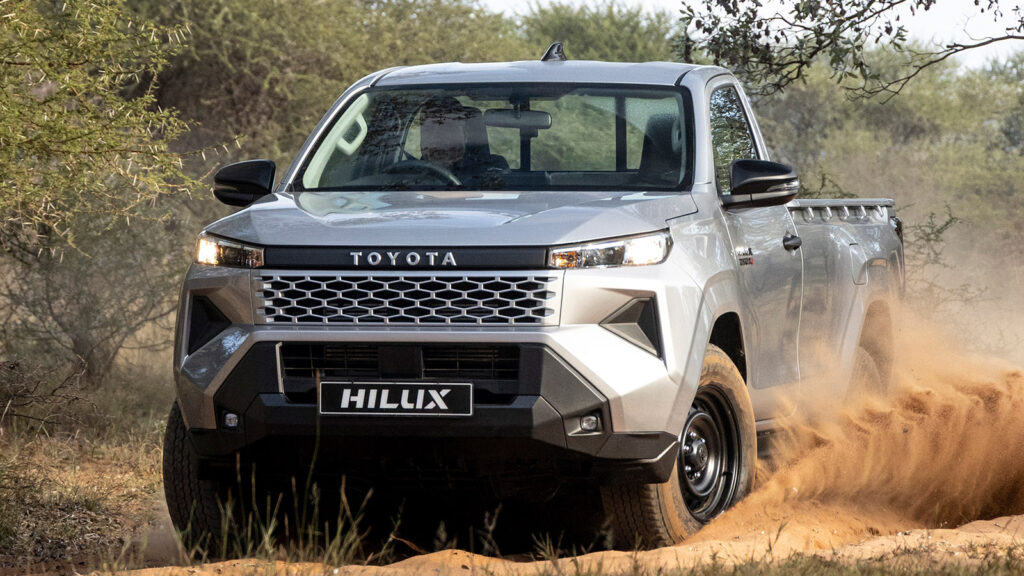
- Single-cab bakkies, trucks, and delivery vehicles/vans.
- Vehicles with an unladen mass of 3,500 kg or more.
- Vehicles capable of accommodating more than 16 persons.
- Hearses, ambulances, and caravans.
- Specialised single-seat vehicles, including tractors, hysters, mobile cranes, graders, and earthmoving equipment.
- Game viewing vehicles
The latter includes all vehicles constructed or permanently converted to carry seven or more passengers and used exclusively for game viewing in national parks, game reserves, sanctuaries, or safari areas.
The statute removing input tax on vehicles considered “motor cars” does not apply to buyers whose business involves supplying motor vehicles for demo or rental purposes.
Buyers operating as dealerships, vehicle financiers, or car rental businesses can reclaim VAT on all types of vehicles after the purchase, provided they are purchased exclusively for resale, rental, or demo purposes.
Additionally, when a VAT-registered dealer acquires a second-hand vehicle from a private individual or a non-vendor trade-in, the dealer may also reclaim tax in the form of a notional input tax deduction.
Knowing how and when to claim

How a buyer reclaims VAT depends on whether the buyer is a South African VAT-registered vendor deducting input tax on a tax return, or a foreign buyer applying for a cash refund on an exported vehicle.
VAT-registered buyers reclaim the tax spent by deducting input tax against their output tax on a regular VAT201 return.
However, according to Du Plessis Myburg Verbeek Incorporated (DMV Inc.), businesses need to understand what is included under the VAT Act, as well as what is excluded.
SARS tax practitioner Steven Jones explained that there are vehicles that create a “legal loophole” around the strict “motor car” definition.
“Firstly, it is common cause that the input VAT can be claimed on an ordinary single-cab bakkie,” he noted.
“But what about those vehicles that have ‘stretched’ single cabs, such as the Toyota Hilux Xtra Cab or the Ford Ranger Super Cab?”
Jones explained that SARS’s position is based on whether the load bay is larger than the passenger section. If the answer is “yes”, claims for the input VAT are generally allowable.
“The second loophole relates to motorcycles. After all, these vehicles have fewer than three wheels, which excludes them from the definition of a motor vehicle,” he added.
For foreign buyers taking delivery of a vehicle locally before exporting it as an indirect export, dealers must initially charge standard-rated VAT of 15%.
Once exported, the buyer can then reclaim this tax directly from the VAT Refund Administrator (VRA), but must submit the correct registration, invoice, and customs documentation.
Exports must also be completed through an officially designated commercial port within 90 days of the tax invoice.
The VRA must also receive the written refund request and all supporting documentation within 90 days from the date of export.




 Loading ...