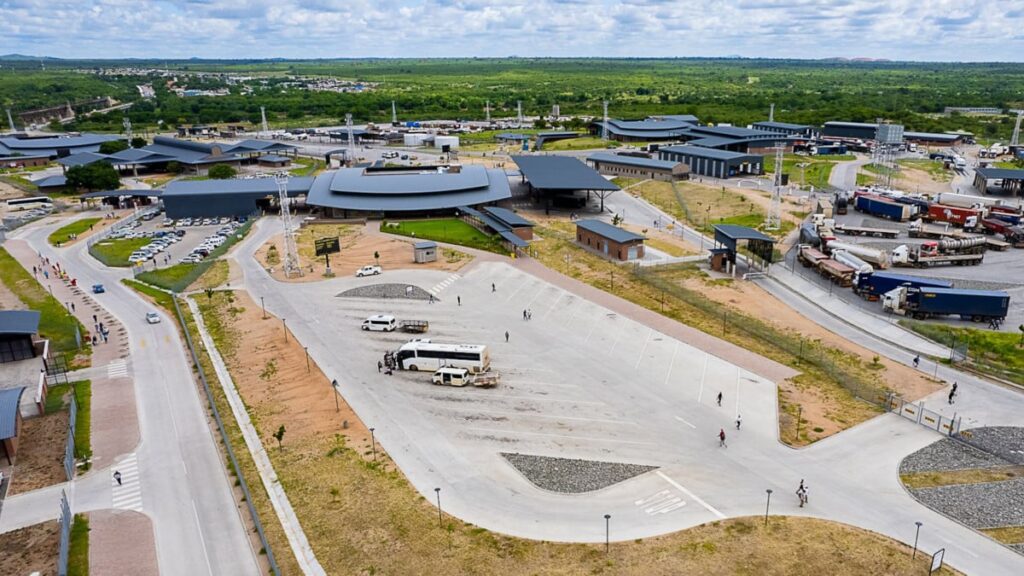
The Department of Transport has announced its desire to build a new toll plaza near the Beitbridge Border Post to Zimbabwe – the busiest border crossing in South Africa.
The South African National Roads Agency (Sanral) made this proposal regarding the Sanral and National Roads Acts, and the department gazetted it for public comment on 19 September 2025.
Sanral has indicated that portions of the road on the N1 were determined to be national roads under its portfolio in 2018 and that an approximately 1.1-kilometre stretch of the road can be tolled.
This is because the stretch of road falls within the South African side of the Beitbridge International Border Post.
The area in question also includes other small roads, parking areas, and other infrastructure.
Currently, the toll on traffic travelling in a southbound direction is collected by Zimbabwean Authorities on the Zimbabwean side of the border post.
However, should this proposal be successful, the toll will be collected on the South African side of the Border Post Area.
“The toll may be collected within the Border Post Area or at another location that will be best suited, taking into consideration all the border post activities that are currently or may in the future take place within the border post area, as well as the method of payment,” Sanral said.
South Africa’s busiest border crossing
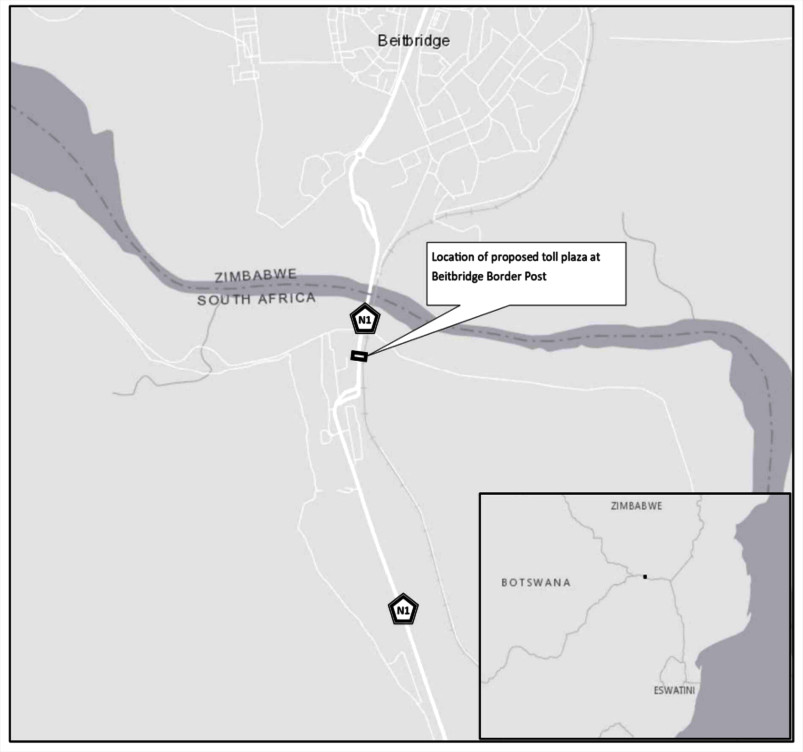
The Beitbridge Border Post falls within the Limpopo Province and Musina Municipal District and is the busiest crossing between South Africa and Zimbabwe.
This is as thousands of cars and hundreds of trucks cross through the post daily.
While it chiefly services the economic interests of South Africa and Zimbabwe, the border post also indirectly supports trade with Botswana, the Democratic Republic of Congo (DRC), Malawi, Mozambique, Zambia, and the rest of the SADC Member States.
Due to its importance, a R4 billion upgrade and refurbishment project was launched at the border post in 2018.
This project was aimed at improving traffic flow and security at the crossing.
SANRAL has since noted that the improvements along the route have already borne fruit, with reduced congestion and tighter security.
Prior to these upgrades, freight companies were waiting between five and seven days in queues to cross the border.
The upgrades have reduced this waiting time and allowed for more economic opportunities to South Africa’s benefit.






 Loading ...