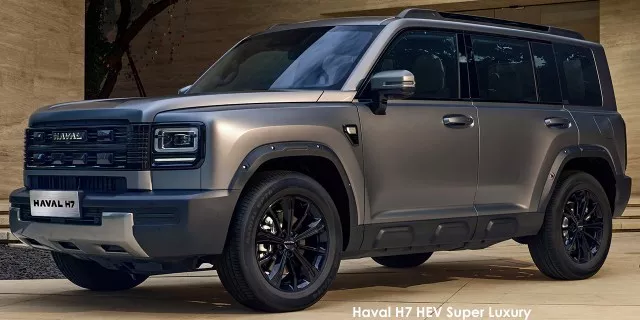
Chinese carmaker looking to build a factory in South Africa


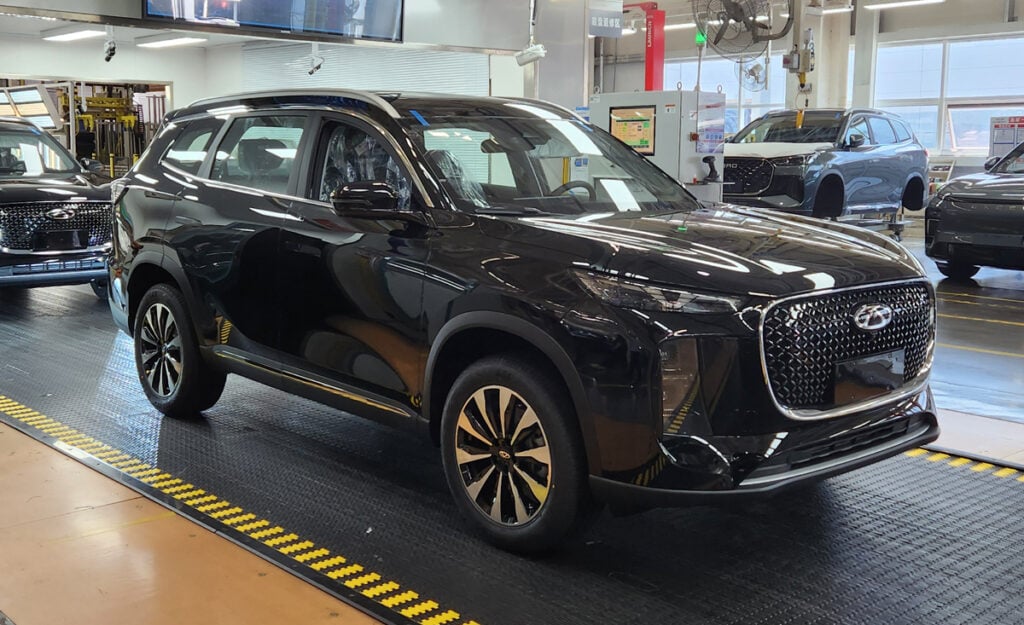
Chery is exploring plans to establish a vehicle assembly plant in South Africa, leading to job creation and a significant boost to the domestic automotive sector.
The Chinese carmaker, which owns multiple sub-brands including Omoda, Jaecoo, iCaur, Lepas, and Exeed, said that it is conducting feasibility studies for local production as part of its ongoing plans to expand in our market.
“We’re currently conducting feasibility studies in South Africa, which remains a key focus for both Omoda and Jaecoo,” said the company.
“The country plays an important role in our broader global strategy, and we’re carefully assessing opportunities to expand our presence and meet the growing local demand.”
Chinese cars have surged in popularity in South Africa over the last five years, as initial concerns over their quality have subsided, and many consumers are now drawn towards their competitive prices.
Last month, Chery was the eighth best-selling car brand with 2,210 units, while Omoda and Jaecoo came 13th with 1,311 units.
Several Chinese automakers have been expanding their global footprint in recent years, establishing new factories in foreign markets in an effort to remain competitive and to avoid possible tariffs or trade barriers meant to protect local manufacturers.
Tony Liu, CEO of Chery South Africa, recently told Reuters that the company is in discussions with several existing original equipment manufacturers (OEMs) in the country about potential partnerships.
“We are in discussions with several existing OEMs,” he said.
One of the options under consideration is a joint venture with an OEM to create a new “greenfield” facility from scratch.
Alternatively, Chery may use another company’s existing factory.
The operation will likely be a complete knocked down (CKD) site, which is where vehicles are assembled locally using imported parts.
Liu mentioned that the vehicle selected for local production will most likely be the Chery Tiggo 4 Pro, which will be sold locally and exported to other markets in Africa.
This isn’t surprising, given that the Tiggo 4 is the third best-selling passenger car in South Africa and is affordably priced at R269,900.
Chery’s big plans for South Africa

Chery also plans to bring in some of its Chinese suppliers to meet South Africa’s local content requirements.
“We are interested in the long-term investment in South Africa,” said Liu.
The carmaker’s statements come at a time when South Africa is looking to significantly expand its automotive industry.
The Automotive Masterplan, published in 2021, aims to increase local vehicle production from 600,000 units to 1.4 million per annum by 2035.
There has been speculation in the industry that Chery could partner with one of South Africa’s struggling OEMs, two of which come to mind.
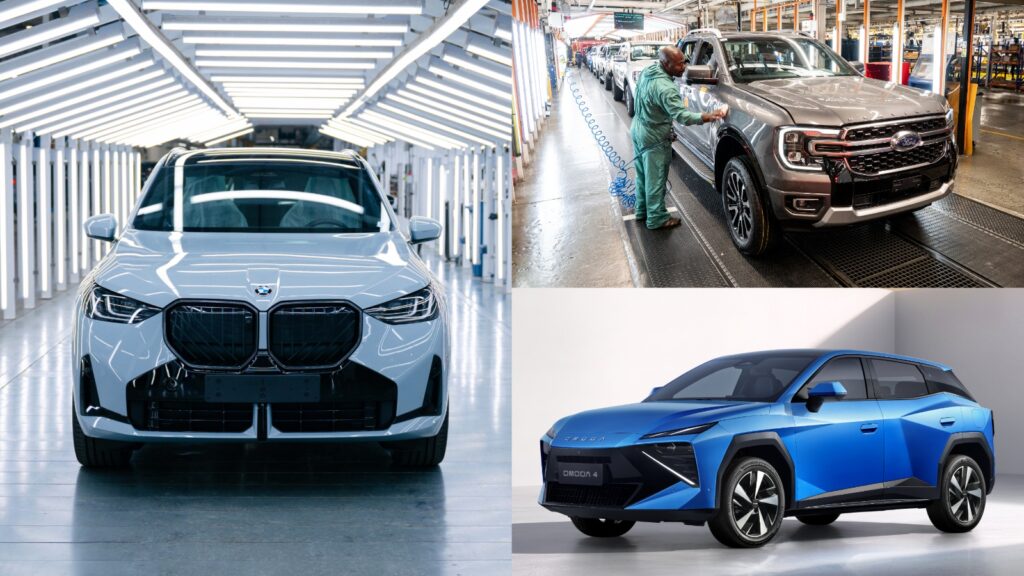
Mercedes-Benz, which has a factory in East London, is grappling with the fallout of the tariffs imposed by the United States, significantly impacting demand for its vehicles.
Questions have therefore been raised as to whether Chery could partner with Mercedes to produce vehicles in East London.
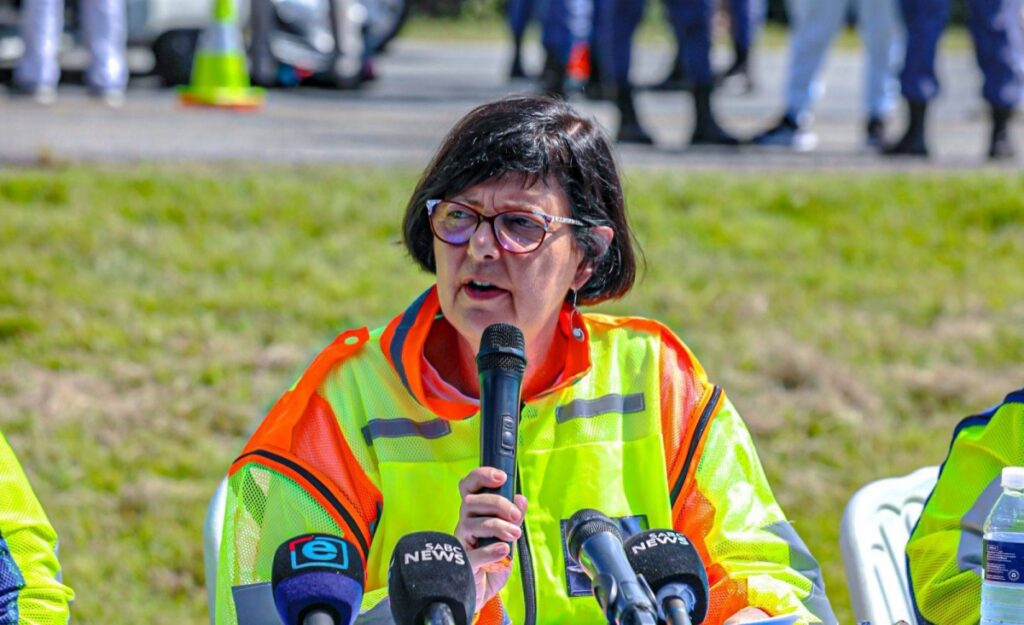
Outgoing Mercedes-Benz CEO Andreas Brand declined to comment directly but noted that the site had historically produced vehicles for different brands.
“In the past, it was reality, and there is technically no reason not to tap into that again,” he said.
The other OEM is Nissan, which is currently in financial crisis and is planning to close several of its factories around the world.
Nissan has a facility in Rosslyn, Gauteng, which has led to similar speculation that it could share its factory with Chery.




 Loading ...