Stellantis has reaffirmed its ongoing recall of 26 different vehicles in South Africa, urging owners to stop driving their cars until a safety issue has been addressed.
In December, the company issued a warning to consumers driving select models across its various brands, comprising Citroën, DS, Jeep, and Opel.
These cars, which cover a range of models sold between 2004 and 2019, are affected by the global Takata airbag recall, which concerns serious safety risks presented by defective airbags.
“This global recall remains one of the most extensive safety programs ever undertaken, and Stellantis is maintaining its commitment to reach every affected customer until all repairs are completed,” said the automaker.
Stellantis has since updated its recall in South Africa to include legacy models sold by Chevrolet, including the Cruze, Orlando, Aveo, Spark, and Viva.
“Takata airbag inflators have been shown to deteriorate over time, particularly when exposed to hot and humid climates,” said the company.
“Under these conditions, the inflators may explode when the airbags deploy and project metal fragments which could cause serious injury or even death.”
The Takata airbag recall is nothing new, as the issue has been well-documented for over a decade at this point.
However, Stellantis and other manufacturers like Toyota have warned that consumers have been slow to respond and many cars are still on the road with this defect.
“While significant progress has been made, some vehicles remain unrepaired, and the Stop-Drive safety warning continues to apply.”
The models affected by the latest recall are as follows:
Citroën:
- Citroën C3 Phase 2 (2008 – 2017)
- Citroën C4 (2010 – 2018)
- Citroën DS3 (2008 – 2019)
- Citroën DS4 (2010 – 2017)
- Citroën DS5 (2010 – 2018)
- Citroën C Zéro (2010 – 2017)
DS
- DS 3 (2008 – 2019)
- DS 4 (2010 – 2017)
- DS 5 (2010 – 2018)
Chrysler
- Chrysler 300 (2004 – 2016)
- Chrysler Aspen (2007 – 2009)
- Chrysler Crossfire (2007 – 2008)
Jeep
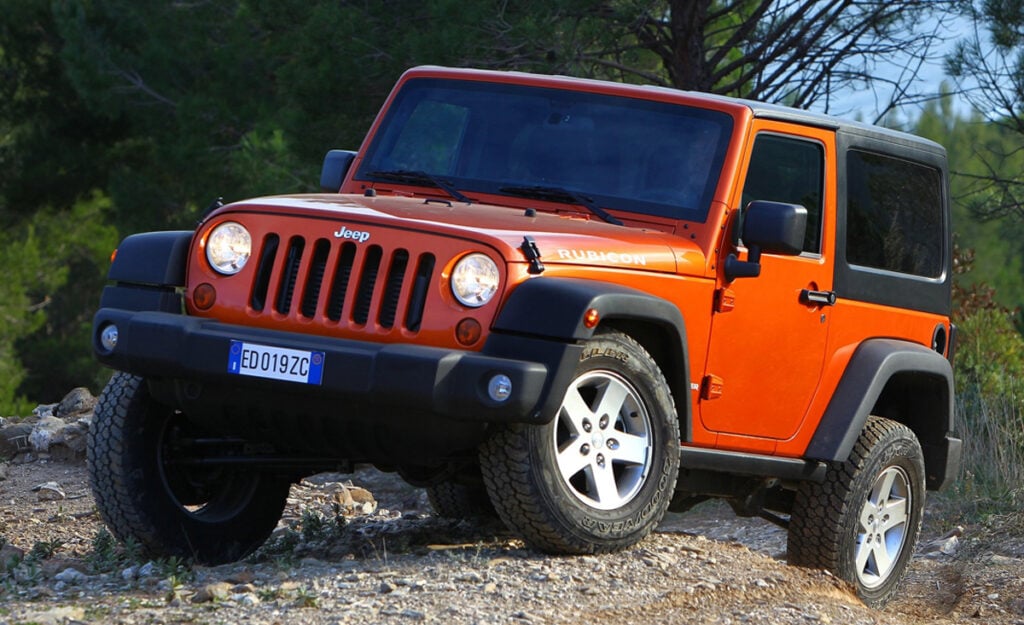
- Jeep Wrangler (2007 – 2016)
Opel
- Opel Signum (2005 – 2008)
- Opel Astra (2005 – 2014)
- Opel Cascada (2012 – 2018)
- Opel Meriva (2009 – 2017)
- Opel Mokka (2011 – 2018)
- Opel Vectra (2003 – 2008)
- Opel Zafira (2011 – 2016)
- Opel Astra 10 (2009 – 2018)
Chevrolet
- Chevrolet Cruze (2009-2017)
- Chevrolet Orlando (2011-2017)
- Chevrolet Aveo (2011-2018)
- Chevrolet Spark
- Chevrolet Viva
Stellantis has urged owners of these vehicles to contact a dealership and arrange a service, which will replace the defective airbags free of charge,
The company has also launched an online VIN Check tool, which can be access at https://www.recall.stellantis.com/#/takata, allowing vehicle owners to verify if their car is affected by the recall simply by entering their vehicle identification number.
Customers can also phone Stellantis on 0860 738 472.
Too many recalls
South Africa experienced an alarming number of vehicle recalls last year, affecting more than 50,000 units.
The Automobile Association of South Africa (AA) flagged this statistic as a point of major concern for consumers, arguing that it highlights severe problems in the nation’s automotive quality control chain.
“The scale of these recalls reveals a systemic failure and weakness in vehicle pre-market quality assurance, manufacturing oversight and regulatory verification,” it said.
“Although vehicle recalls currently serve an essential role in addressing latent safety defects, they are inherently reactive in their nature and therefore inadequate as a safeguard.”
In addition to the Takata airbag issue, which affects multiple manufacturers, cars have been recalled for safety problems ranging from seatbelts with inadequate retention, high-voltage battery systems prone to overheating and acute fire hazards, fuel pipe clips that can cause friction leading to fuel leaks, and a loss of braking.
The AA stated that recalls often occur years after the point of sale, exposing consumers to serious risk, and that the burden is then placed on the consumer to monitor for safety notices and take their cars in to be fixed.





 Loading ...