
Warning for motorists making insurance claims in South Africa


The National Financial Ombud Scheme has issued a warning to motorists regarding claims for accidents where the individual was under the influence of alcohol, as insurers can use various techniques to determine if the person was drinking prior to the incident.
Insurers will refuse to pay for any claims where the person was driving while under the influence of alcohol.
Importantly, the individual in question does not have to be breathalyzed or have their blood tested at the scene in order for the insurer to reject the claim.
Furthermore, the person does not have to be over the legal limit for their claim to be denied.
This is according to National Financial Ombud Scheme head Reana Steyn, who recently spoke to SAfm about how insurers can determine a claim to be invalid for driving under the influence.
“In the contract that you’ve signed and that you’ve agreed to, you’ve agreed to certain things as the insured,” she said.
The insured agrees not to drive under the influence, and this does not only apply to insured parties driving over the legal blood alcohol limit.
“It’s not only exceeding the limit, but it’s also just a general statement under the influence, and that’s what you’ve agreed to,” said Steyn.
“If you drive under the influence, you will not be paid for your claim.”
This can also apply to motorists involved in accidents where their blood alcohol level wasn’t tested at the scene.
“They will look at the totality of all the evidence. That is where the evidence of tow truck drivers, or paramedics and other witnesses at the scene will come into play,” said Steyn.
“The insurance company will gather information as to your whereabouts. They will investigate where you were, what you were doing, to try and see: were you under the influence?”
Insurance companies engage in these practices because clients frequently lie when claiming, shifting the onus onto the insurer to prove what happened.
Insurers can even check the individual’s bank statements to determine where they were and what they were doing before the accident occured.
South Africa’s drunk driving problem

Driving under the influence is one of the leading causes of vehicle accidents deaths in South Africa, accounting for roughly 58% of all road deaths.
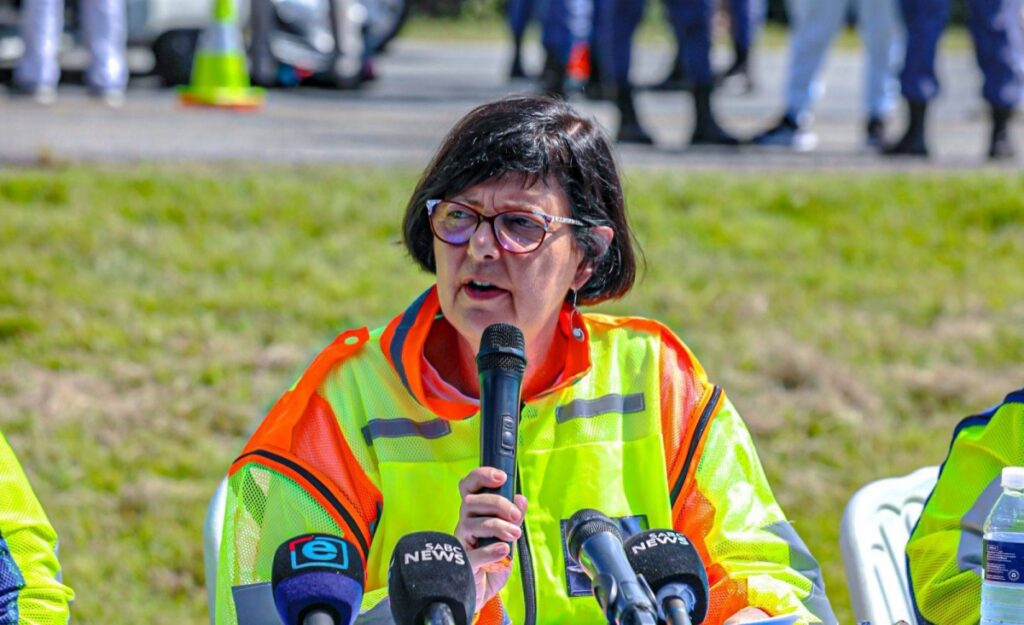
Transport Minister Barbara Creecy recently announced that more than 9,400 people were killed on the roads in 2025.
Additionally, most accidents occurred on weekends and over the festive season, reflecting a strong correlation with periods where individuals tend to drink more.
Large metros like the City of Cape Town and City of Johannesburg have increased the frequency of traffic stops over the 2025/2026 period to crack down on drunk driving.
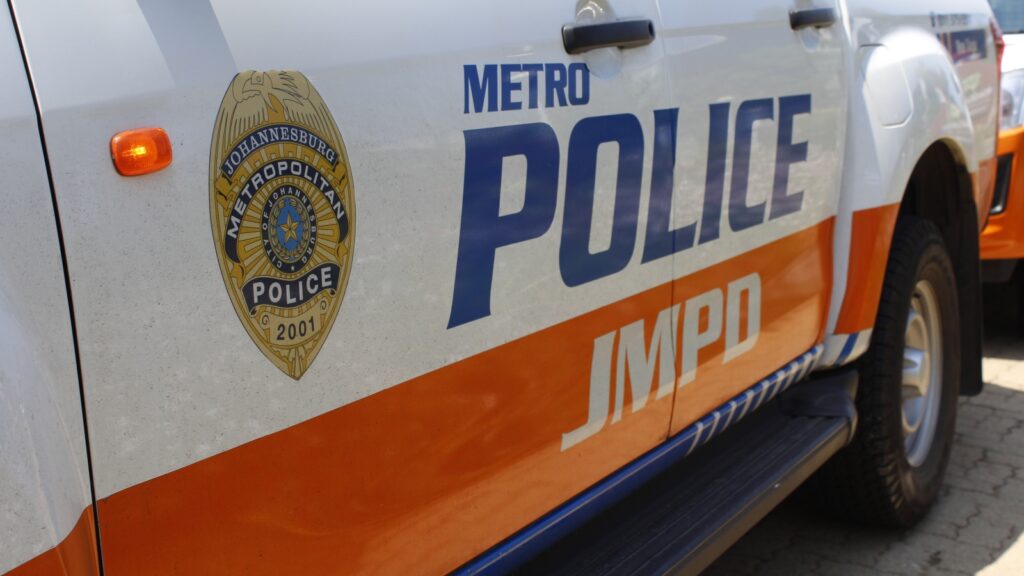
Over the December holidays, the Johannesburg Metropolitan Police Department set up sobriety checkpoints on major arterial and suburban routes to catch motorists driving under the influence.
Approximately 10,000 people are arrested for DUI offences in South Africa over the annual holiday period.
An organisation called Gatekeepers South Africa has also written to the presidency, demanding that the legal drinking age be raised from 18 to 23, and that alcohol adverts should be banned from public spaces.
The government has been mulling the idea of raising the drinking age to 21 for nearly a decade, and is currently reviewing the Liquor Amendment Bill to address alcohol abuse in South Africa.

 Loading ...