
Plans to scrap legal drinking and driving allowance in South Africa


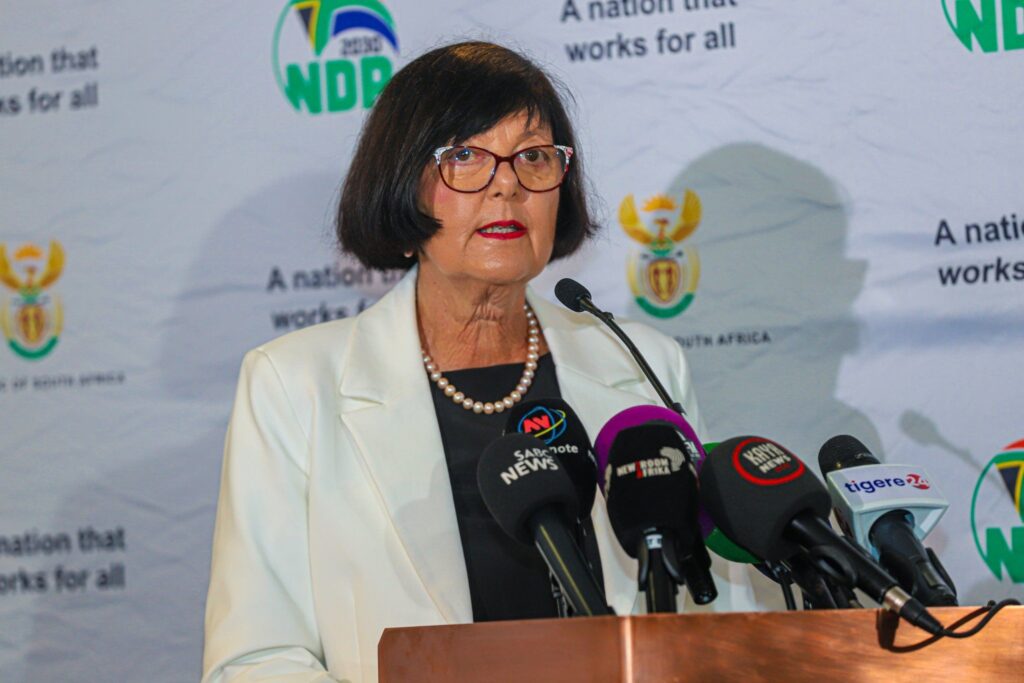
Transport Minister Barbara Creecy has stated that the government plans to reduce South Africa’s legal drunk driving limit to zero.
The minister made this announcement at a recent media briefing, where she outlined the Department of Transport’s plans to amend Section 65 of the National Road Traffic Act.
She argued that this is necessary to establish a clear, unambiguous rule – if you are driving, you must not drink.
“The time has come for us to amend the law, so that we have a clear-cut, easy-to-understand, and unambiguous policy that says drinking and driving are not allowed.”
“So, we will begin an amendment to Section 65 of the National Road Traffic Act. If nothing else, we owe this to the memory of the many fellow South Africans who have lost their lives on the roads.”
She made these statements while presenting the 2025/2026 festive season road safety report, arguing that it is time to end the system that allows motorists to consume any amount of alcohol before getting behind the wheel.
While five provinces experienced a reduction in road fatalities, the remaining four – Gauteng, Mpumalanga, Western Cape, and Northern Cape – saw fatalities go up over the same period.
Creecy criticized the current policy as “totally unacceptable,” noting that the blood-alocohol limit was established decades ago.
This limit permits drivers to have 0.05g per 100ml of blood, though professional drivers have a stricter limit of 0.02g per 100ml.
When using a breathalyzer, these blood-alcohol limits work out to 0.24mg/l and 0.10mg/l, respectively.
Not the first time this has been proposed

South Africa’s notoriously high drunk driving statistics are a well-known issue, and the government has explored the idea of reducing the legal drinking limit in the past.
In 2020, former Transport Minister Fikile Mbalula formally introduced the National Road Traffic Amendment Bill to parliament in 2020.
The bill aimed to make several amendments to South Africa’s traffic laws, including new regulations for driving schools, traffic wardens, and driver’s licences.
This bill also proposed that the nation’s legal blood-alcohol limit should be scrapped with a new zero-tolerance policy.
However, the Amendment Bill encountered several delays and has yet to be implemented.
One major concern that citizens have with a zero tolerance limit is that individuals can have trace amounts of alcohol in their system for a variety of reasons beyond drinking.
This includes certain types of painkillers, cough syrups, and even mouthwashes, which could lead to false positives for law-abiding citizens.
Groups like the Automobile Association have warned in the past that a legal limit of zero would effectively criminalize the use of any of these substances, even though they have no impact on a person’s driving ability.
South Africa’s road safety statistics
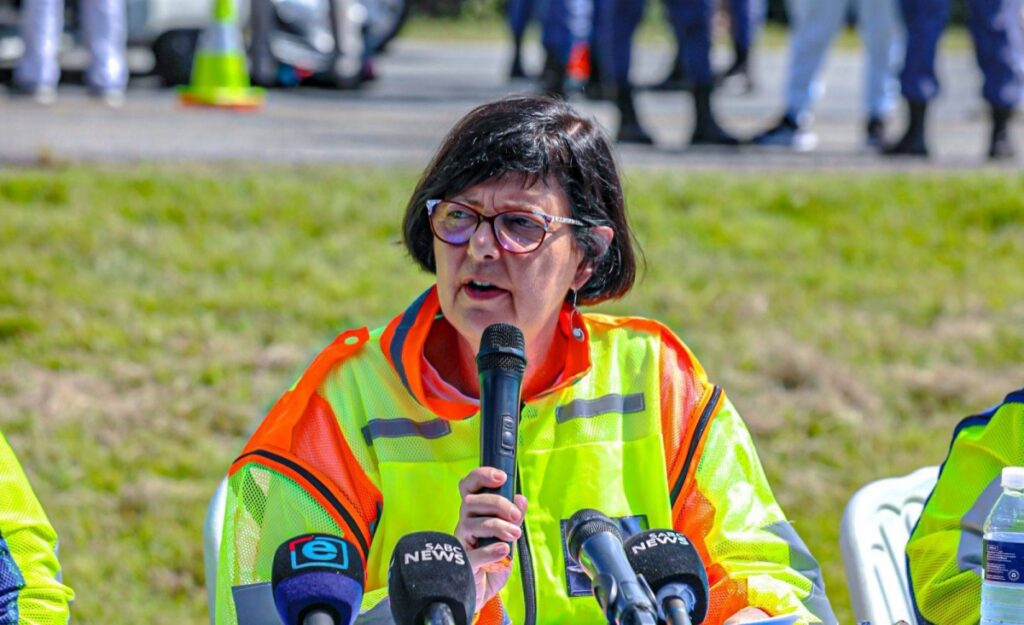
Traffic police across South Africa conducted 1,632 roadblocks over the December festive period, stopping more than 1.8 million cars.
Officers checked for valid licences, vehicle roadworthiness, and driver alcohol levels.
A total of 173,695 people were tested for alcohol consumption, of which 8,591 tested positive.
This is a 144% increase from the same period last year.
In one case, an individual from KZN was recorded with 14 times the legal blood-alcohol limit.




 Loading ...