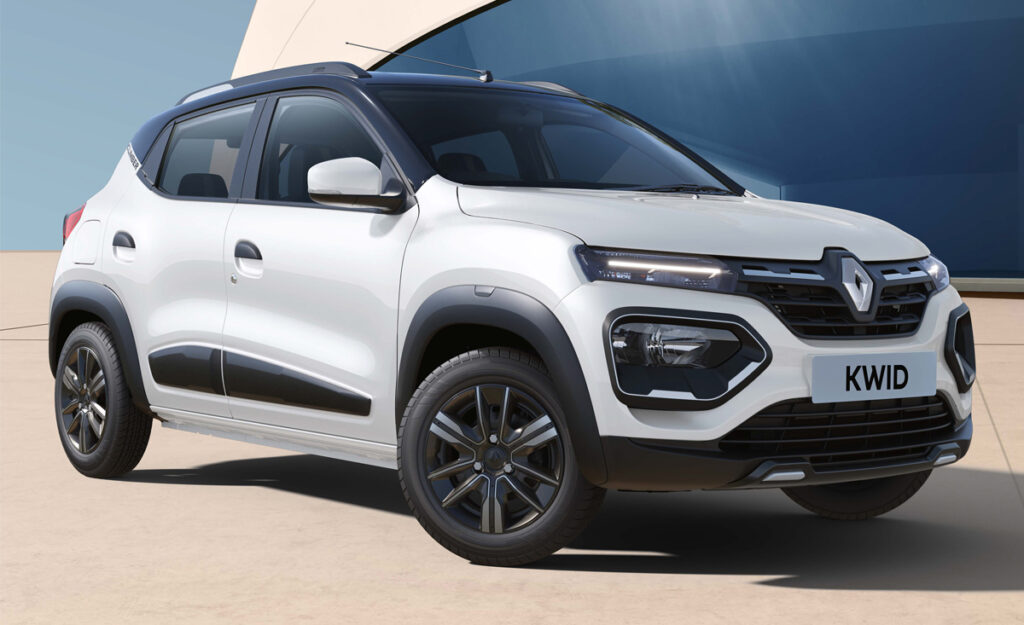
South Africa’s consumers have been warned of safety concerns that have led to the recall of Renault Kwid models sold nationwide since last month.
Motus Vehicles Distributor, the company responsible for shipping the vehicles, informed the National Consumer Commission of the recall of nearly 1,400 units sold nationwide since 20 January 2026.
According to the distributor, 1,393 models may experience dashboard warning light illumination due to sensitivity in velocity calculations.
It further noted that if left unattended, the condition may affect these vehicles’ system performance and could pose a potential safety concern.
Recalling the Kwid means recalling the most affordable vehicle on South Africa’s roads, which costs only R178,799.
The supplier told the NCC that there are currently none of the affected vehicles in consumers’ possession, and that Motus will perform software updates on these models before they are released.
This recall is not the first of the year, as Chinese automaker MG recalled over 200 MG3 models at the end of last month.
Before that, Stellantis issued a recall of select Citroën, DS, Chrysler, Jeep, Opel, and Chevrolet vehicles to take their cars to an authorised dealership to replace their Takata airbags.
Recall crisis in South Africa

Throughout 2025, over 50,000 vehicles were recalled by the National Consumer Commissioner across several major automotive brands, which has led to criticism from the Automobile Association of South Africa (AA).
“The scale of these recalls reveals a systemic failure and weakness in vehicle pre-market quality assurance, manufacturing oversight and regulatory verification,” the AA said.
It added that despite the recall system serving an essential role in addressing latent safety defects, they are inherently reactive in nature and not proactive enough to act as a safeguard.
“What this system has proved is that recall notices often arrive too late, when defective vehicles are already in circulation, driven by unsuspecting motorists.”
At least, in the latest case, Renault was able to identify the fault before thousands of defective Kwid models left showroom floors.
Despite this, the AA has repeatedly called for an independent automotive testing authority in South Africa.
“Waiting for defects to surface post-market reach is neither efficient nor ethical,” stated the AA.
“The future of South Africa’s road safety depends on prevention, empowered consumers and an independent, technically capable body to lead verified safety standards.”




 Loading ...