The City of Cape Town has announced that it will take delivery of its first electric bus in August 2026.
This will be followed by an additional 13 low-floor e-buses, which are scheduled to arrive between October and December this year.
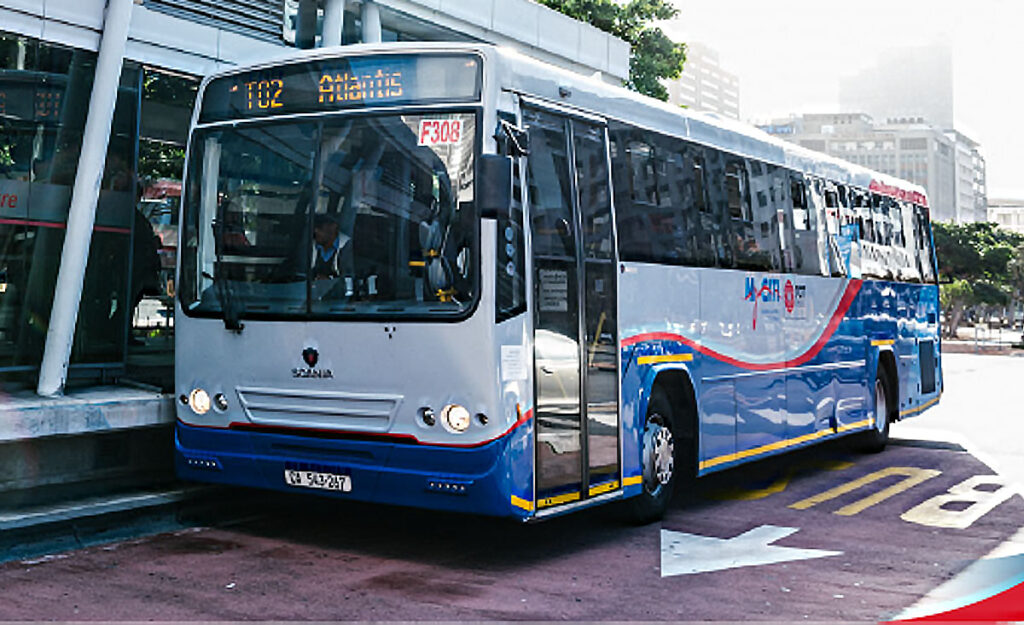
The new vehicles will be rolled out as part of Cape Town’s plans to expand and revamp the MiCiti bus service operating in the metro-south east,
This includes the new routes that will form part of Phase 2A of the MyCiti expansion.
The city ultimately plans to take delivery of another 16 buses for a total of 30, which it aims to achieve by June 2027.
“The first bus will arrive in August at the latest, if all goes as planned, and another 13 by December 2026, and the balance thereafter,” the city said in an official press release.
“These are 12-metre Volvo BZRLE electric buses and the first where the bus bodies are manufactured locally, in Johannesburg.”
Cape Town’s management commented that the electric buses will help to lower the metro’s vehicle pollution and reduce its fuel spending, which is particularly relevant given the conflict in the Middle East and its impact on oil prices.
“‘The delivery of the electric bus fleet cannot be more timeous, given the volatility of the energy markets and uncertain geopolitical environment.
“Apart from lowering our carbon emissions, an electric bus fleet could offer multiple other benefits, especially as far as maintenance and operational costs are concerned.”
It noted that e-buses in other countries have helped to reduce operating costs by up to 70%.
“We will be conducting research soon to determine what type of savings Cape Town can look forward to,” said the City’s Mayoral Committee for Urban Mobility, Councillor Rob Quintas.
How the new buses will be implemented
The City of Cape Town announced that it will partner with the University of Cape Town to undertake research to test and understand how electric buses will operate as part of the MyCiti bus fleet.
The e-bus research is funded by the city and by a grant from the Urban Electric Mobility Initiative (UEMI).
The new buses will be tested on existing MyCiti routes for roughly a year to determine how they perform on different routes with varying passenger parameters.
This will allow the city to evaluate how long the batteries last when fully charged, and how passenger numbers, the route profile, and climate will affect the charge level.
“The research will help us understand how the electric buses will perform in our local context, and what challenges we need to consider before we roll-out the e-bus fleet in 2027,” said Quintas
“This information will assist us with planning and preparations, such as the training of the bus drivers, maintenance requirements, passenger loads, fault reporting, and so forth.”
The city’s management claimed that, if all goes as planned, the first e-buses will begin operations by 1 July 2027.
It will initially be implemented in Mitchells Plain, Khayelitsha, Wynberg and Claremont, and the Cape Town CBD.
The city added that acquiring more e-buses is a priority, but this depends on additional funding from the national government.


 Loading ...