Ferrari posted a drop in first-quarter deliveries that outweighed a profit rise, as war in the Middle East disrupted the Italian supercar maker’s business operations.
Shipments fell 4.4% from a year earlier, Ferrari said Tuesday, including a 14% drop in Europe, Africa and the Middle East, home to a key group of wealthy Ferrari customers.
Ferrari attributed the overall decline to a planned model changeover and said it was able to offset interruptions caused by the conflict in the Middle East by allocating cars to other geographies.
The shares fell as much as 3% in Milan.
The results “might be a slight disappointment,” considering Ferrari’s history of beating estimates and its bullish messaging during a call ahead of the quarter’s close, analysts at Oddo said in a note.
Earnings before interest, taxes, depreciation and amortisation advanced 4.1%, the manufacturer said. That was slightly ahead of analysts’ expectations, as was the 3.2% first-quarter revenue gain.
The results demonstrate Ferrari’s ability to increase profit even in a period of uncertainty and disruptions caused by the Iran war.
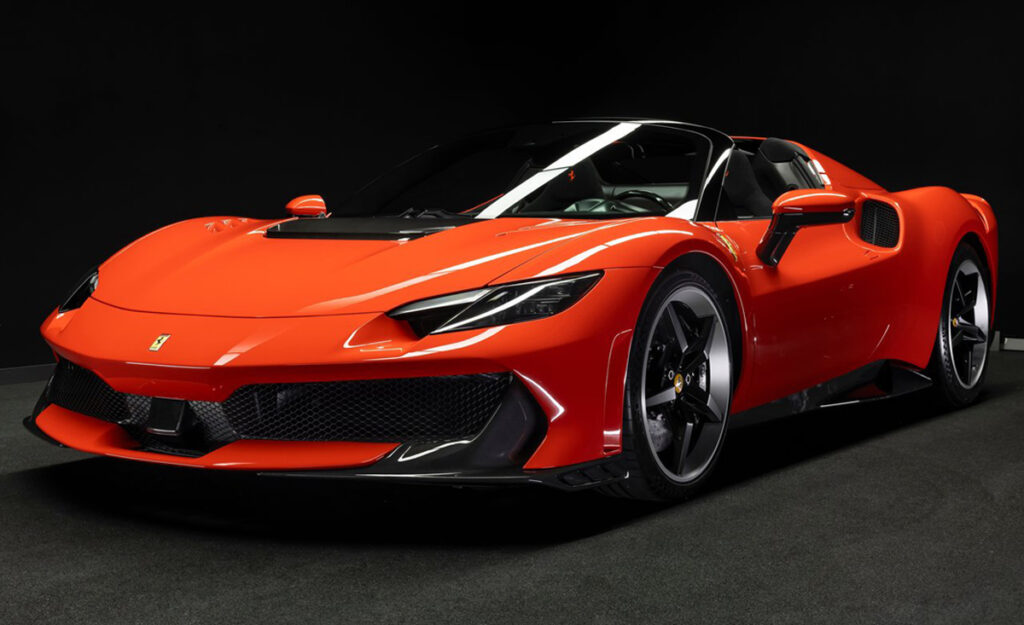
The Maranello-based company padded sales with personalisations and more expensive models, including the F80 supercar.
Ferrari said its order book was extended further toward the end of next year, giving it rare visibility compared with automakers serving a broader market.
The company confirmed its earlier guidance for 2026, based on current visibility into the Middle East crisis.
First-quarter Ebitda of €722 million (R14 billion) compares with the consensus estimate of €710 million (R13.8 billion) from analysts surveyed by Bloomberg.
Revenue of €1.85 billion (R36 billion) surpassed the €1.82 billion (R35 billion) expectation.
Deliveries to the Americas rose slightly while volumes increased 7.6% to mainland China, Hong Kong and Taiwan.
The earnings come as Ferrari, like other carmakers in the European Union, faces the possibility of renewed pressure from US tariffs after President Donald Trump said he would raise duties on cars and trucks from the region to 25% from 15%.
Ferrari shares have fallen about 11% this year, as the conflict raises uncertainty about the hostilities’ impact across the luxury-goods sector.
The company has historically been seen as better placed than mass-market carmakers to defend margins, given its wealthy client base, limited production and long waiting lists.
Ferrari’s order book in the Middle East is still supported by a good base of demand, with no unusual cancellations, Chief Executive Officer Benedetto Vigna said on a call with analysts.
The situation “pretty much under control,” he added.
The situation in the Middle East is “pretty much under control, nothing strange, nothing abnormal on the cancellations,” Ferrari Chief Executive Officer Benedetto Vigna said on a conference call with analysts.
Ferrari is also preparing for the final unveiling later this month of its fully electric supercar, the Luce, a key test of whether the company can bring battery technology into its lineup without diluting the brand’s combustion-engine heritage.
“Numbers could improve as the year progresses,” largely through the F80’s ramp-up and the potential contribution from the Luce in the second half, RBC analyst Tom Narayan said in a note.



 Loading ...