



South Africa’s e-hailing drivers have to adhere to strict new operating regulations, including safety requirements and vehicle branding to distinguish them from civilians.
This follows the implementation of the National Land Transport Amendment Act (NLTAA), Act 23 of 2023, which has since been signed into law by President Cyril Ramaphosa.
Chairperson of the Portfolio Committee on Transport, Donald Selamolela, asked Transport Minister Barbara Creecy about these laws and how they benefit South African drivers in an industry dominated by foreign nationals.
In response, the minister explained that section 66A of the NLTAA and supporting secondary regulations provide for the regulation of e-hailing services as a new category of services in the public transport ecosystem.
These include:
- Registration of e-hailing platform providers/ companies with the National Public Transport Regulator (NPTR), for compliance with South African Company laws and operational conditions such as a local physical address where queries or litigation can be submitted/ served;
- Introduction of mandatory operating licenses (OL) for e-hailing services;
- Strict driver vetting;
- Vehicle distinguishing marks;
- Compulsory in-vehicle panic buttons and physical panic buttons linked to emergency response and law enforcement agencies;
- Penalties for App companies that allow drivers to operate using their App without the requisite OL and drivers who operate without an OL.
Creecy noted that the newly introduced regulatory framework intends to bring about stability and harmony between traditional minibus taxi services, metered taxi services and e-hailing services.
“It benefits South African drivers by recognising them as formal public transport operators or drivers, legalising their status,” she said.
“Legitimising the profession means the subsector can benefit from basic conditions of employment and comply with labour and employment laws.”
She added that drivers are protected from impoundment by applying for an e-hailing operating licence, which defines their area of operation.
The new regulations are similar to those for other service types and were introduced to improve entry into the industry for South African drivers by providing a more structured and professionalised environment.
“Drivers need to meet certain minimum requirements, such as driver qualifications, identity numbers, residential addresses, and compliant vehicles appropriate for operations,” Creecy explained.
“The introduction of an official e-hailing operating licence system will ensure that drivers are vetted and subject to criminal record checks, which are crucial for maintaining safety and service standards.”
Illegal e-hailers already prosecuted
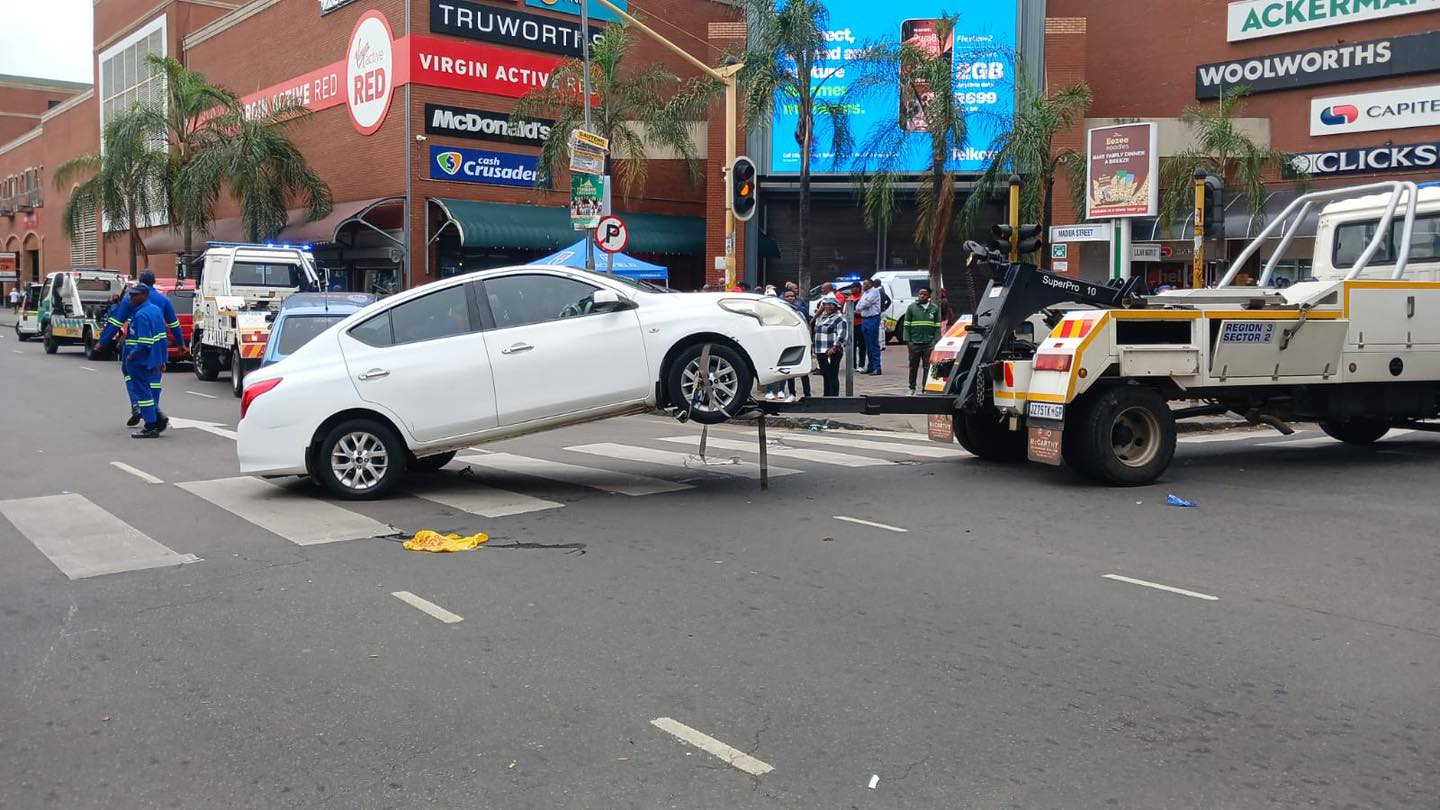
In the week, the Tshwane Metro Police Department (TMPD) impounded 33 vehicles involved in illegal e-hailing operations in Pretoria.
Police enforcement monitored taxi routes and addressed public transport-related matters at the intersection of Eskia Mphahlele Drive and Vom Hagen Street, impounding 10 illegal e-hailing vehicles.
These were impounded after their drivers were unable to produce the prescribed documentation, followed by six more vehicles impounded for the same offences on Eufees Road and the N14.
The TMPD Public Transport Unit continued its operations, emphasising the National Land Transport Act 5 of 2009 as primary legislation for restructuring and regulating public transport systems.
This act is the foundational legislation for transforming and regulating the public transport system, requiring public transport operators, including taxis, buses, e-hailing services, and shuttles, to carry valid operating licenses.
This operation resulted in another 17 illegal e-hailing vehicles being impounded for operating without valid licences.
“The TMPD will not tolerate the unlawful operation of motor vehicles used for passenger transportation, as it endangers the public and increases the risk of passengers becoming victims of crime,” said the municipal law enforcement agency.
“The department urges motorists to comply with the law to avoid having their vehicles impounded and to help promote a safe and efficient public transport system.”





 Loading ...

-facelift-2-2025.10.webp)
