
10-year driver’s licence cards get the green light in South Africa


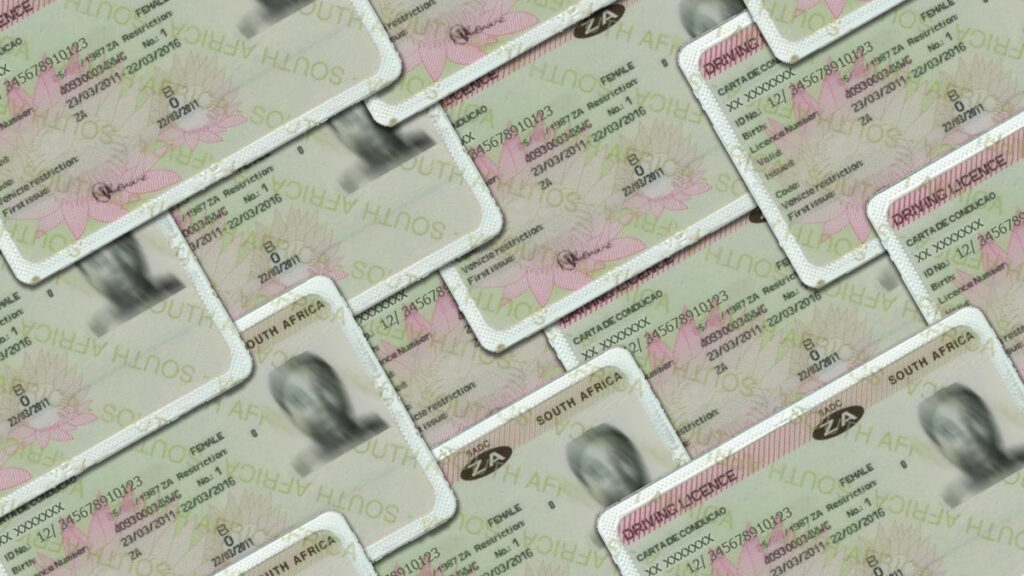
The Department of Transport (DoT) has officially gazetted the proposed extension for South Africa’s driver’s licence cards, increasing the validity period from five to 10 years.
The proposal is now open to the public for comment for the next 30 days. Additionally, the government has provided new information on what will happen to the country’s existing cards.
Importantly, the validity period extension applies to licence cards with a A, A1, B, or EB code, covering the types of vehicles most commonly used by private motorists.
Licences with a C1, C, EC1, or EC code, covering medium and heavy commercial vehicles, are only valid for five years from the date they are ordered from the Card Production Facility.
Regarding motorists’ existing cards, the DoT explained that they will remain valid until the new driving licence cards have been issued.
This means they will no longer be valid three months after they expire. Bear in mind that these changes are not yet in effect and still require legislative amendments.
Once the public commentary window closes, the DoT will move to implement the necessary legislative changes.
The gazette comes roughly two weeks after the Minister in the Presidency, Khumbudzo Ntshavheni, announced that Cabinet had approved the extension for the country’s licence cards.
Ntshavheni said this change will align South Africa with international best practices and improve convenience for motorists by reducing renewal frequency.
It is also expected to ease the burden on the DoT and the nation’s Driver’s Licence Testing Centres by reducing the number of renewal applications they need to process.
The task of extending the country’s licence validity period is moving at a much faster pace than previously anticipated, with the government surpassing all targets it set earlier this year.
The extension was mentioned in the DoT’s short- and medium-term goals in April 2026. It said it aimed to secure the cabinet’s approval by the end of March 2027.
Instead, Cabinet approved the extension in July, putting it eight months ahead of schedule. Now the proposal has been gazetted for public comment.
The 10-year increase is also two years longer than earlier suggestions that called for an eight-year extension, further reducing the number of renewals motorists will need to make.





 Loading ...
-2026.10.webp)


-2026.10.webp)