


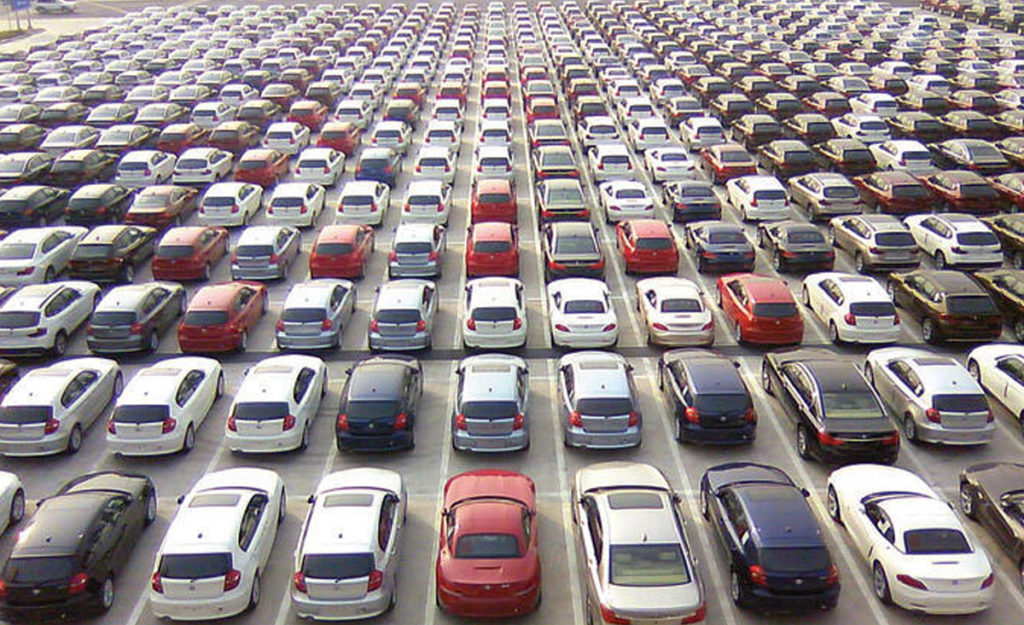
South Africans looking to buy pre-owned vehicles have been warned to remain vigilant when dealing with potential sellers, particularly amid a rise in the use of generative AI to defraud unsuspecting victims.
According to the National Automobile Dealers’ Association (NADA), the domestic used-car market has seen a recent surge in sophisticated digital scams targeting buyers desperate for affordable mobility options.
The South African Police Service (SAPS) revealed that 147,149 commercial crime cases were officially recorded in the country between April 2025 and March 2026.
This represents a 2.5% annual increase in commercial and fraud crimes, while the Global Anti-Scam Alliance reported in its 2026 study that 85% of participants in South Africa had encountered a scam in the past year.
According to NADA, the problem in the retail automotive space is compounded by the rapid proliferation of artificial intelligence (AI) tools.
It noted that scammers are now leveraging generative AI and digital manipulation software to produce realistic vehicle listings and official-looking dealership and banking identities.
Some scammers are even cloning voice and video messages, making online vehicle fraud harder to detect than ever before.
Thembinkosi Pantsi, Vice-Chairperson of NADA, said that generative AI has made it easier for fraudsters, because in the past, poor grammar, blurry images, or inconsistent branding were easily noticeable red flags.
“Today, scammers are using AI to instantly generate legitimate-looking advertisements, complete with convincing email and social media profiles,” he explained.
“What looks like an unbeatable deal online can now quickly turn into a devastating financial loss.”
Protecting yourself from AI scams

NADA warned that despite the highly evolved reality, there are still reliable indicators for digital scams and ways to protect yourself against them.
According to the association, some of the more common signs that someone is trying to scam you include:
- Bypassing a bank auction: Fraudsters claim they can secure a repossessed vehicle before a bank auction for an upfront holding fee. In South Africa, repossessed vehicles are strictly handled via accredited auction houses – never via private messaging apps.
- Pressure for immediate deposit: Scammers create a false sense of urgency, insisting on an Electronic Funds Transfer (EFT) to “hold” the vehicle to avoid the sale going to other alleged interested buyers.
- Refusal of in-person viewing: While AI can generate convincing photos or pre-recorded videos, scammers will consistently make excuses to avoid an in-person viewing at a verifiable physical location.
Pantsi explained that the single best safeguard for consumers in today’s digital landscape is accountability.
“Transacting through an established and accredited car dealership provides statutory protection under the Consumer Protection Act (CPA),” he said.
“It provides the peace of mind that comes with knowing that the seller is legitimate and the vehicle has undergone proper background, ownership, and technical checks.”
Pantsi added that consumers should remember that technology works both ways, and although AI can be used for nefarious practices, it can also be a powerful tool for consumer protection.
“Buyers can leverage search tools and AI models to cross-reference reviews, complaints, compliments, and warnings that others may have posted about a potential seller,” he said.
“As well as check a company’s history and customer feedback as part of the due diligence required for any vehicle purchase.”
The NADA Vice-Chairperson concluded with a warning to local used-car buyers, urging them to ensure they use every available resource to verify who they are dealing with before parting with hard-earned money.
He advised buyers to prioritise professional car dealers with a physical footprint and a proven track record.



 Loading ...