
25-year-old problem with roads in South Africa has become a huge issue


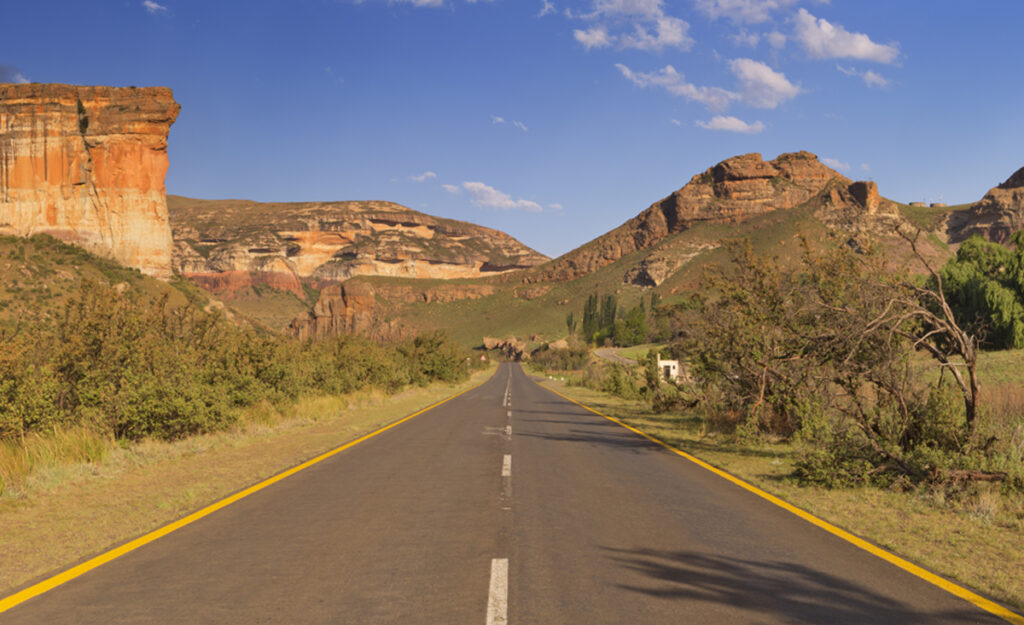
The road infrastructure in the Free State is in desperate need of upgrades, considering that 80% of roads were designed and built 25 years ago and are now outdated.
This was revealed during a stakeholder engagement session with the Transport Department, the South African National Roads Agency (SANRAL), the Road Accident Fund (RAF), and the Cross Border Road Transport Agency (C-BRTA).
During the session, Deputy Transport Minister Mkhuleko Hlengwa said that discussions should begin by asking why the Free State is trending in the wrong direction regarding road safety.
“We need to understand where and why road safety fatalities are taking place in the Free State, which kind of crashes are occurring in the province and on which roads, which user groups are mostly affected, as well as what factors contribute to these crashes,” he said.
The deputy minister added that it is the government’s responsibility to identify where road safety systems are failing and determine what can be done or changed to resolve those failures.
He added that this approach aligns with South Africa’s commitment made under the United Nations Decade of Action for Road Safety 2021 to 2030, which he said should not simply remain a declaration.
During the engagement, Marlize Nel-Verwey, SANRAL’s Provincial Head for the province, said that a key challenge it faces is that 80% of the national road network in the Free State is more than 25 years old.
This means that, while they were constructed 25 years ago, these roads were most probably designed almost 30 years ago.
“This means that these roads were not necessarily designed at the time to primary and strategic road standards and often require upgrading to be fit for purpose,” Nel-Verwey explained.
She added that when designing a road, SANRAL uses historical data to anticipate future road-user needs and conduct scenario planning, including projected increases in traffic volumes.
Securing roads in the Free State
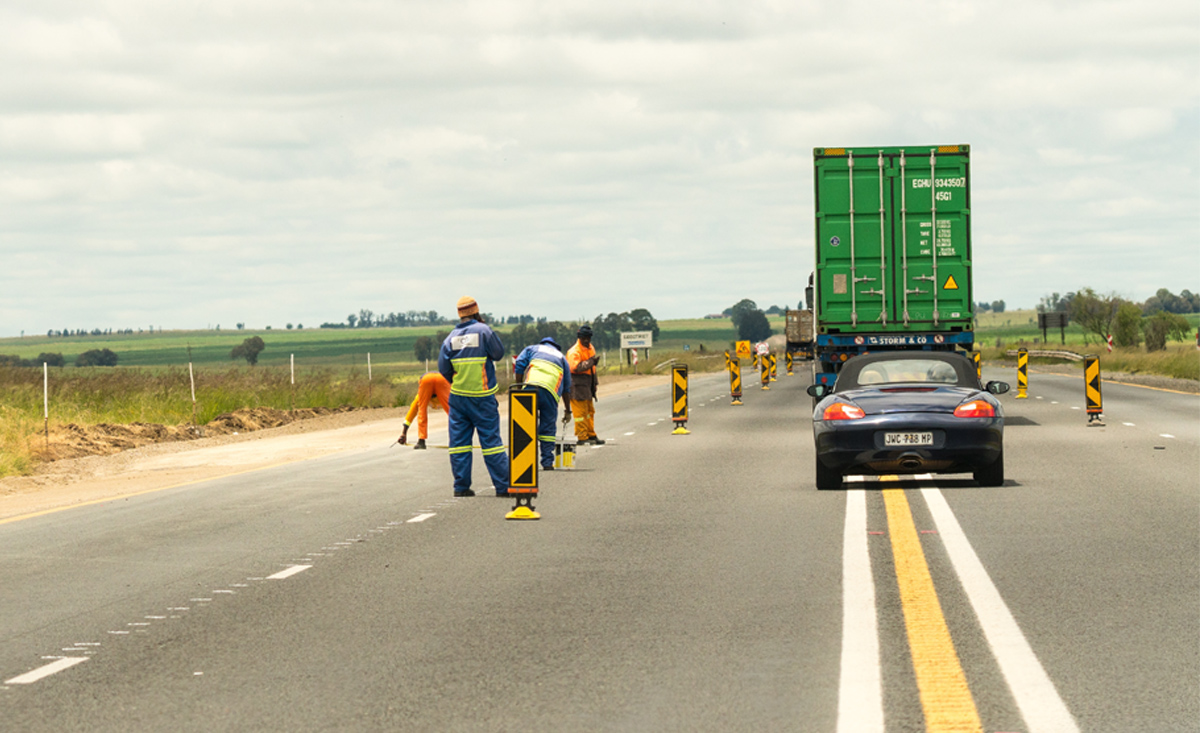
Nel-Verwey explained that since 48% of the road network was transferred to SANRAL, it has become clear that these do not meet the level of service and standards required of national roads
“Bringing these roads up to national road standards requires both funding and time,” she added.
The roads agency follows the South African Road Safety Audit Manual (SARSAM), a key document used during road design, construction and post-construction.
It sets out the various audit stages, applied according to the scope of work undertaken by a contractor on a SANRAL road.
Once a road is transferred to the agency, it takes responsibility for road safety through routine maintenance, grass cutting, guardrail repair, and pothole filling.
Beyond physical maintenance on the road, SANRAL employs the Road Incident Management System (RIMS) on its routes.
These protocols ensure that emergency medical services, fire and rescue, law enforcement, and road maintenance teams are notified and coordinated through a central communication centre.
“The primary purpose of RIMS is to ensure the coordinated, pre-planned use of human, mechanical, and electronic resources to manage road incidents and restore traffic to normal operating conditions as quickly as possible,” said Nel-Verwey.
Free State MEC for Community Safety, Roads and Transport, Community Safety, Roads and Transport, commended the roads agency’s road design initiatives and road safety endeavours.
He added that it is crucial to reconsider the way in which roads in the province are designed.
“It is important to understand the movement of traffic volumes on our national roads, so that when you design the roads, the design will be based on the service that the road will provide,” Mbalula said.
“Some roads serve to connect communities, while others are major arteries for the country’s economic development.”





 Loading ...
Conversation
1 commentsDo you really mean that the present governments haven’t done anything about it, except trash the railways and put all the freight onto these roads. Hard to believe except that we’re in ANCland.