


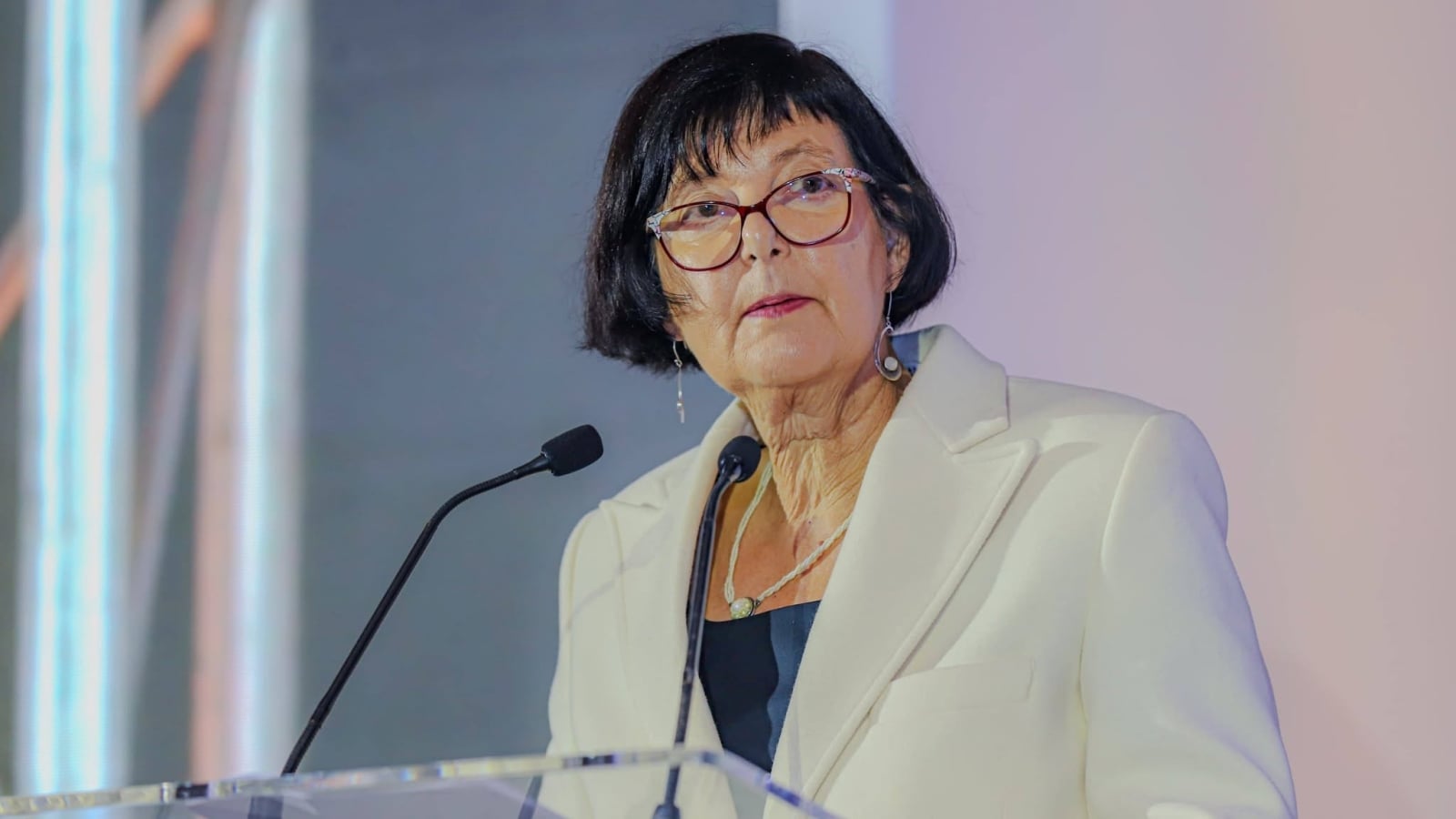
Transport Minister Barbara Creecy’s plan to reduce South Africa’s legal drink-driving limit to zero has taken a step closer to implementation.
The minister revealed at the Road Safety Practitioners’ Colloquium that the government is seeking approval to amend Section 65 of the National Road Traffic Act by the end of the year.
“We are acquiring approval from the Chief State Law Advisor and Socio-Economic Impact Assessment System (SEIAS) approval to secure cabinet concurrence for this amendment by the end of 2026,” she said.
Creecy revealed that more than 18,000 people were arrested for drunk driving between March and August 2026, accounting for a third of all traffic violation arrests during that time.
She added that the close to 12,000 deaths recorded on the country’s roads annually cannot be normalised.
In line with the United Nations Sustainable Development Goals, South Africa is targeting halving road deaths by 2030, making significant progress by recording 6% fewer annual crashes and fatalities last year compared to 2024.
“During the 2026 Easter long weekend, the Road Traffic Management Corporation (RTMC) recorded the second-lowest crashes and fatalities over the past 4 Easter periods,” the minister revealed.
Compared to 2024’s Easter road death statistics, this year’s crashes declined by 24% and fatalities by 39%.
“While these statistics are commendable, the numbers remain too high. We therefore need to ramp up and intensify our existing efforts to continue seeing a reduction in these figures,” Creecy said.
No accidental progress
According to the minister, the progress made in reducing road crashes and fatalities across South Africa has not been accidental.
Instead, she said it is the result of coordinated law enforcement efforts, strategic partnerships with civil society, and a shift in the collective consciousness of local road users.
Creecy added that South Africa cannot afford to rest on its laurels.
“To address the high number of pedestrian deaths, this year we have had a targeted focus on preventing people from crossing and walking on highways,” she declared.
“Traffic policing authorities have also intensified patrols of areas of entertainment near highways to prevent inebriated pedestrians from running across major roads and encourage them to use designated road crossings.”
The minister said that visibility and public education are key to the success of these efforts, especially in and around pedestrian accident-prone areas.
She added that assistance from the communities and support from the South African Police Service (SAPS) will ensure that her department maintains the momentum of reducing road accidents.
“That will set us on our trajectory of achieving the road safety decade action target set for South Africa,” Creecy declared.
According to the minister, a whole-of-society approach has been essential in spreading the road safety message through public communication campaigns.
“We have been able to record successes and lower accident rates by mobilising communities through engagements with civil society, traditional leaders, and faith-based organisations,” she said.
“Such collaboration between the RTMC and provinces has led to over 14,000 road safety education and awareness interventions being conducted this year.”
The Department of Transport and the RTMC have conducted a coordinated media campaign throughout the year.
Their efforts were assisted by 50 media outlets and comprised weather advisories, traffic advisories, and roadworthiness and vehicle compliance inspections.




 Loading ...

-2026.10.webp)

Conversation
7 commentsThis is bullshit.
Another attempt to farm fines from normal people.
Just enforce the current laws. That will solve the problem in its entirety.
It’s not the people having one beer / wine with dinner that are causing accidents. It’s the extremely drunk, often ANC connected idiots driving at 3x the speed limit.
This will disproportionately affect normal working people. Which is the point.