
End of an era for people who drive home from restaurants and bars in South Africa


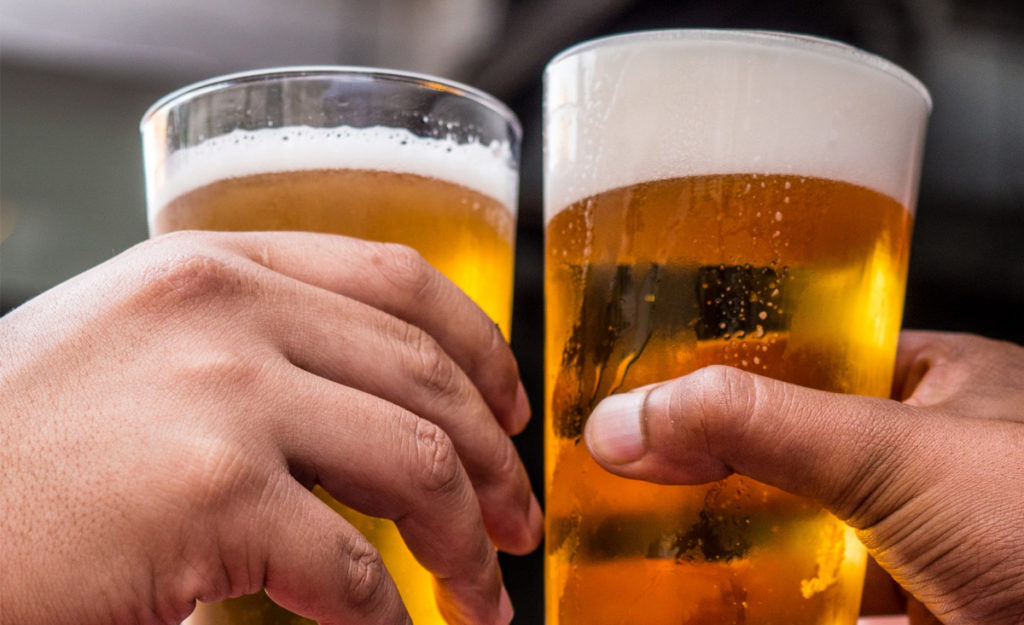
The government hasn’t backed down from its plan to implement a zero-alcohol tolerance for motorists in South Africa, despite concerns that this will negatively impact businesses and responsible citizens.
Transport Minister Barbara Creecy stated that her department is pursuing legislative amendments to effectively remove the tolerance band for drunk driving by imposing a new 0% blood alcohol restriction.
These amendments will be made to Section 65 of the National Road Traffic Act, which currently allows for a blood-alcohol concentration (BAC) of 0.05g per 100 millilitres.
The changes would see the tolerance dropped to 0.00g/100ml. It would also lower the breath alcohol concentration limit from 0.24g/1,000ml to zero.
Commenting on the proposal, Creecy said that more than 18,000 people were arrested for drunk driving between March and August 2026, accounting for roughly a third of all motoring offences recorded during that period.
She added that nearly 12,000 people are killed in drunk driving accidents in South Africa every year and that this statistic cannot be normalized.
However, while the new zero-tolerance drunk driving limit ostensibly has good intentions behind it, industry stakeholders have warned that it will criminalise certain activities, substances, and individuals with different metabolisms.
Driving.co.za managing director Rob Handfield-Jones highlighted that the same zero-tolerance policy has been suggested multiple times over the years and that it has been dismissed over these concerns.
He pointed out that motorists with metabolic syndrome have a condition that causes their bodies to naturally produce alcohol, resulting in very low levels of alcohol in their bloodstream.
Pharmaceutical products like cough medicine can also contain trace amounts of alcohol that could also get a person flagged for drunk driving under a system with no tolerance band.
Handfield-Jones noted that motorists who get arrested for a DUI accident typically have four times the BAC limit in their system, meaning most incidents are not caused by people who have one glass of wine with their dinner.
“An unjustifiably low limit criminalises people who don’t pose a safety hazard. It is the equivalent of setting the speed limit to 30km/h on freeways and jailing anyone who exceeds it,” he said.
This could have devastating consequences for the hospitality industry, which relies on alcohol sales for a large portion of its revenue.
With a new zero-tolerance policy, the concept of a “safe drink” would disappear as a single glass could lead to a prosecution, explained Cor van Deventer, Director at Van Deventer Dowlath & Marx.
Deventer added that this policy will do nothing to address drunk pedestrians, who are another major hazard on South Africa’s roads.





 Loading ...

-2026.10.webp)

Conversation
15 commentsThe problem drinking /driving people don’t care.
You know how many times I’ve heard people bragging being caught driving over the limit paying a bribe and getting away with it?
The current rules aren’t being applied strictly and properly, what will stricter rules help.
If current rules were enforced perfectly but there was still a drink and drive issue, then by all means. Make the rules stricter, but not before enforcement of current rules are done properly.