
South Africa launches new system to catch criminals sneaking cars over the border


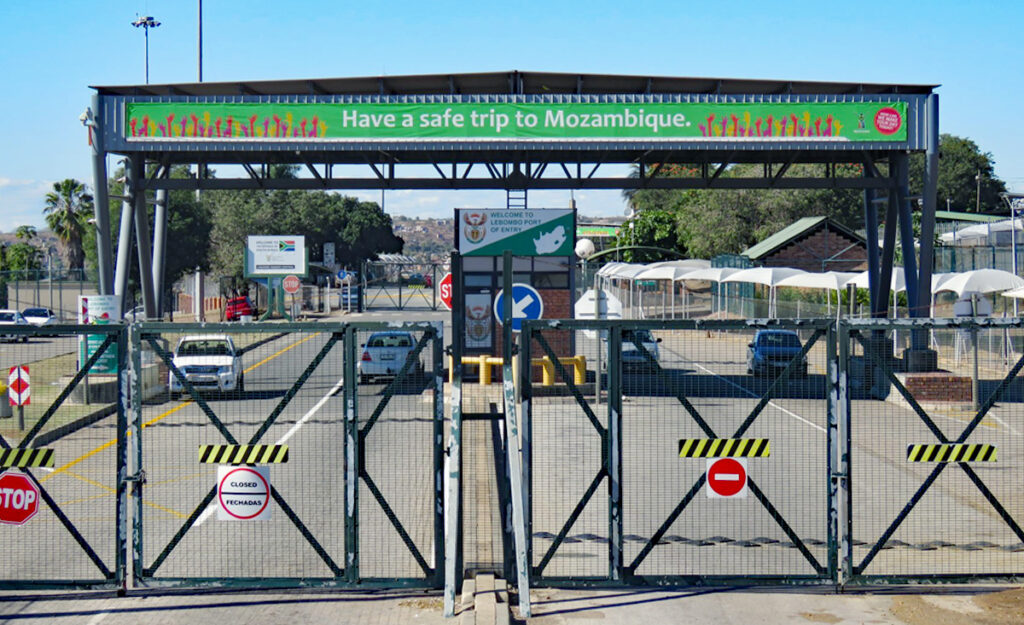
The Border Management Authority (BMA) has launched a new system to counter vehicle theft and cross-border vehicle smuggling in South Africa.
The Vehicle Targeting System (VTS) has been implemented at the Lebombo Border Post between South Africa at Komatipoort and Mozambique at Ressano Garcia.
Developed in partnership with the International Vehicle Identification Desk, the new system is a digital vehicle targeting system that replaces random manual inspections.
It was designed to identify suspicious vehicles before they reach the border officials, enabling them to focus inspections on vehicles that have already been flagged as suspicious.
The BMA explained that the VTS aims to replace indiscriminate manual vehicle inspections with intelligence-led selection, enabling Border Guards to intervene where the data points.
The VTS also forms part of the BMA’s digital transformation journey, which the authority said moves away from “mundane, inefficient, and repetitive” random checks.
“Hundreds of thousands of vehicles cross our land borders. Inspecting all of them is impossible,” said the BMA.
“Inspecting a few of them at random delays honest travellers while the vehicle that matters drives past, because it looks exactly like the one in front of it.”
The system was implemented at several national land borders in April 2026, including at Maseru Bridge to Lesotho, and the Vioolsdrift Border Post between the Northern Cape and Namibia.
In August, it was implemented at Beitbridge and Ficksburg, and by the end of September, Caledonspoort was added, bringing the total number of operational ports of entry to six.
The VTS uses cameras that read registration plates, matching them against records linked to stolen vehicles, cloned plates, potentially fraudulent ownership records and financed vehicles travelling without the financing institution’s knowledge.
Discrepancies are sent to the Border Guard and the port supervisors, who scan the vehicle’s licence disc barcode, photograph the registration plate for independent reading and verify the VIN.
All three identifiers must correspond to determine whether the vehicle’s details are consistent.
“In this case, the machine does the looking, and the Border Guard does the judging. That is the right division of labour between the Border Guard and the device,” said the BMA.
Vehicles worth R46.6 million recovered in six months
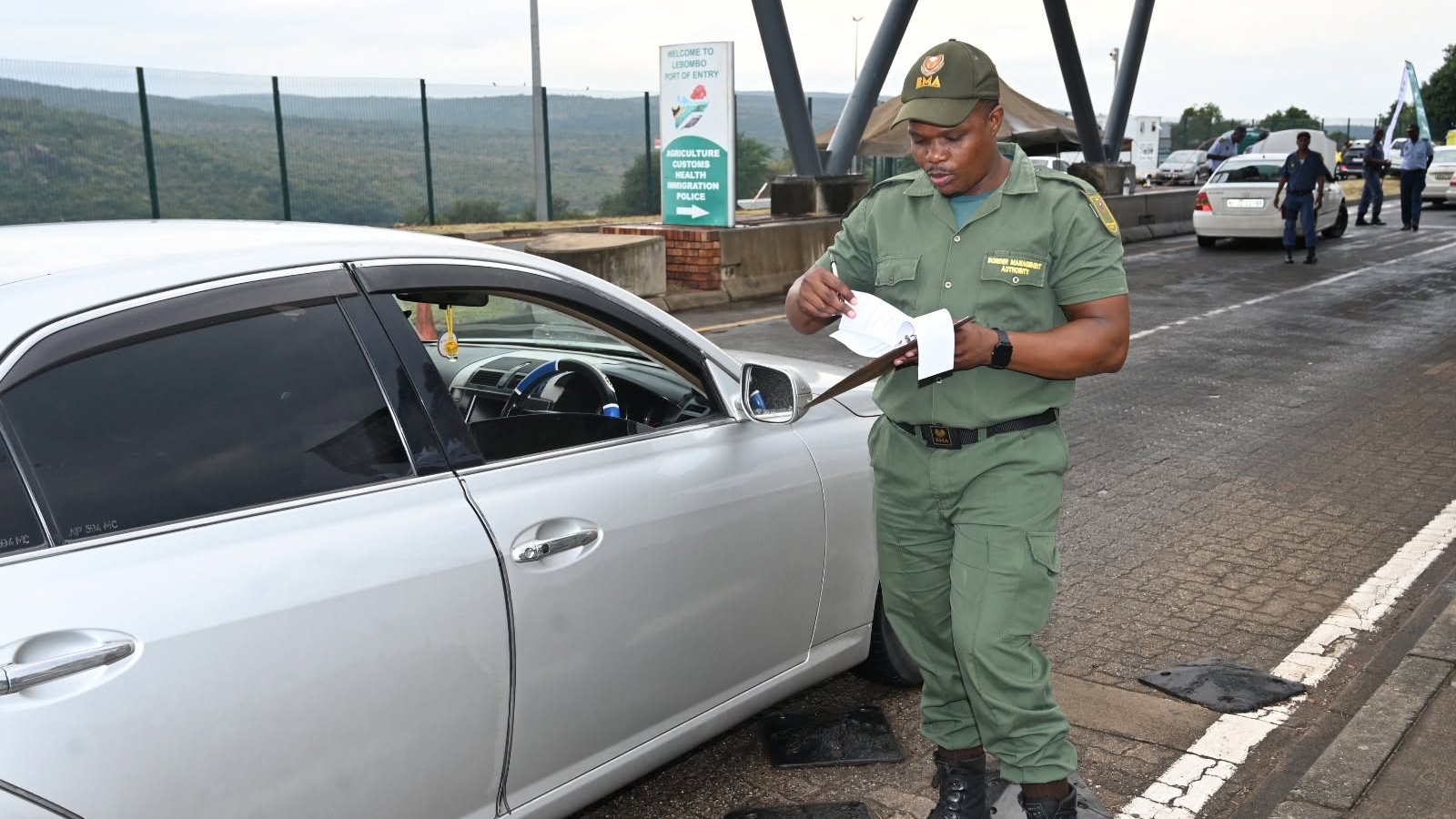
According to the BMA, the VTS system was designed to strengthen accountability in border enforcement, leading to effective border policing since its launch.
The authority’s data indicates that the VTS has led to the recovery of 83 vehicles valued at R46.6 million within six months of its launch.
In the first three months of operation at three ports of entry, the new camera system recorded 422,107 vehicle sightings, followed by an additional 170,962 vehicles across five ports in the next three months.
In the initial six-month period since the system was implemented, the BMA recorded 83 recoveries, which included seven stolen vehicles, eight vehicles with falsified ownership records, and eight cloned vehicles.
Other infringements included 27 vehicles stopped for falsified bank letters and 33 financed vehicles that were recovered, settled, or returned to their rightful financing institutions.
So far this year, 1,817 vehicles were stopped because their drivers could not provide written consent from the bank or finance house that owned the vehicles.
According to the BMA, the estimated value of these vehicles is around R636 million.
The authority added that the new system should be evaluated on how well travellers comply with documentation requirements before reaching the border.



 Loading ...
Conversation
1 commentsThat is a substantial recovery rate. Clearly its a well designed system in the fight against cross border vehicle crimes.