South Africa collected R17 billion from a single petrol tax – This is where the money goes


The South African government collected nearly R17 billion through the use of a single fuel tax – the General Fuel Levy (GFL).
Earlier this month, the National Treasury gazetted the division of the GFL funds, allocating a share to each of the country’s eight major metropolitan municipalities.
As expected, the three largest metros – the City of Johannesburg, the City of Cape Town, and eThekwini (Durban) received the vast majority of the funds.
In comparison, Manguang in the Free State and Buffalo City and Nelson Mandela Bay in the Eastern Cape were allocated the smallest amounts.
Below is a list of the GFL funds divided amongst each of the eight metropolitan municipalities:
| Metro | General Fuel Levy Allocation |
|---|---|
| City of Johannesburg | R4,572 million |
| eThekwini | R3,875 million |
| City of Cape Town | R2,851 million |
| Ekurhuleni | R1,795 million |
| City of Tshwane | R1,666 million |
| Nelson Mandela Bay | R862 million |
| Buffalo City | R798 million |
| Manguang | R427 million |
| Total: | R16,849 million |
The GFL made headlines earlier this year when it was announced that it would be adjusted for the first time in three years.
This was revealed when Finance Minister Enoch Godongwana delivered the third version of the 2025 Budget Speech, which was amended after the previous versions received significant backlash from the both the public and political parties.
The government initially planned to increase South Africa’s Value Added Tax (VAT), drawing widespread criticism that this would exacerbate the cost of living crisis at all levels of society.
The VAT hike was meant to cover a shortfall in the government’s budget, and so it was decided that the GFL would be raised instead to make up for a portion of the lost VAT revenue.
The GFL, which is normally adjusted annually, had been frozen for three years as part of an economic relief measure first introduced during the pandemic.
However, from June 2025, the levy was finally adjusted by 16c per litre for petrol and 15c per litre for diesel.
Consequently, the GFL now adds R4.01 and R3.85 to the cost of every litre of petrol and diesel sold in South Africa, respectively.
It’s worth noting that while the National Treasury disclosed where the funds from the GFL are allocated, it is unclear how the money is actually being spent.
This is because the GFL funds are not ring-fenced and can be used as the municipality as they see fit.
This raises the question of what is being done with the billions of rands paid for by motorists, given that most areas in South Africa are suffering from perennial service delivery issues.
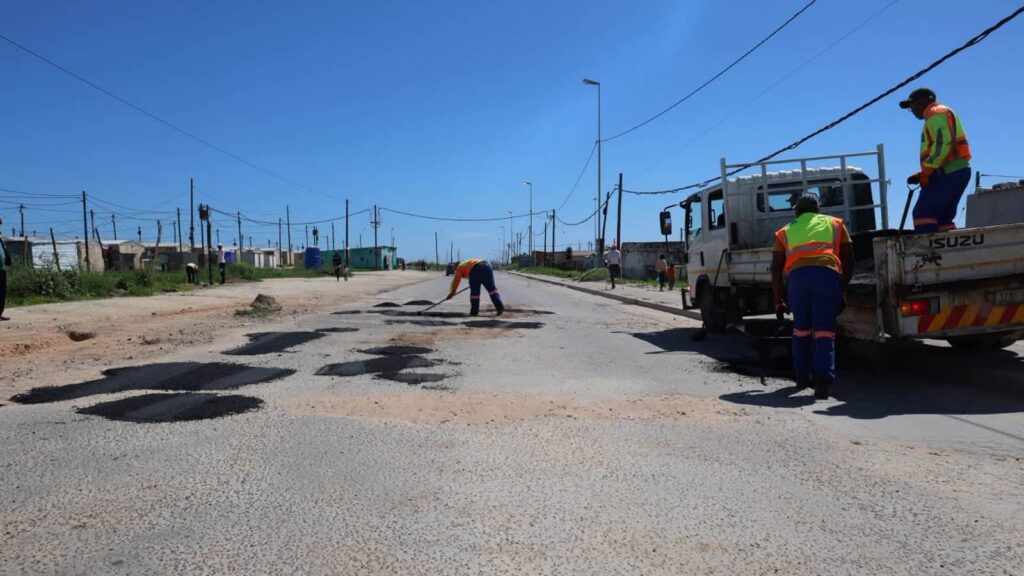
Joburg, as one example, has been heavily criticized for falling into a state of disrepair, with potholes, broken traffic lights, and severe crime issues with the highest rate of smash-and-grabs and hijackings of any region in the country.
It also has the added pressure of needing to pay off the failed e-toll project’s debt.
The price of high petrol taxes
Following the GFL’s new adjustments, taxes and levies make up roughly 30% of the final price motorists pay at the pump.
Petrol is currently retailing for R21.00 per litre as of July 2025, but this would drop to below R16 per litre if all fuel taxes were abolished.
While this would be a boon to road users, the loss of revenue would negatively impact the cities and municipalities that rely on the funds generated from fuel taxes.
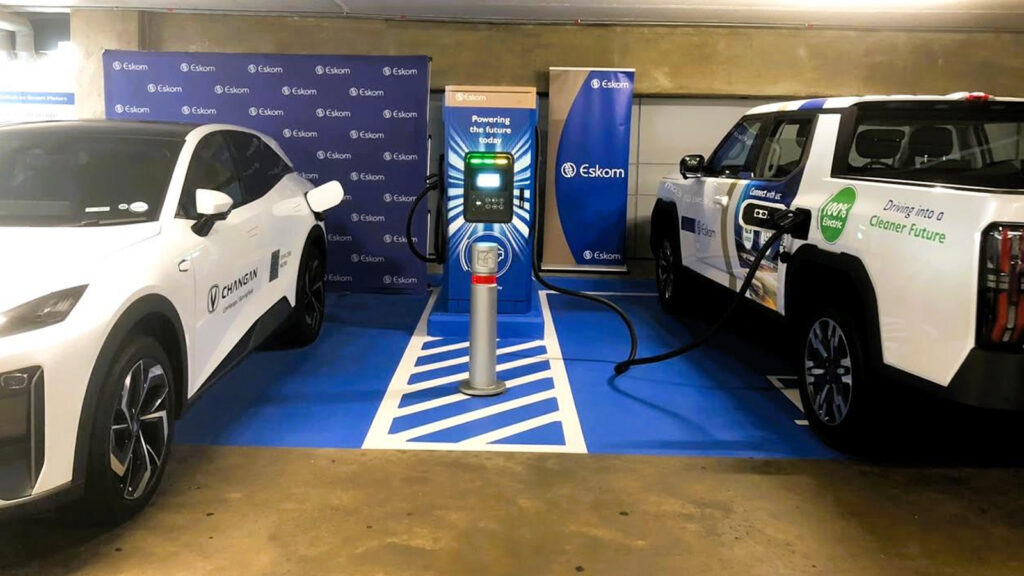
This is an issue that South Africa will have to contend with sooner or later owing to the rise of electric vehicles (EVs), regardless of whether the GFL is actually scrapped.
The National Treasury warned that the adoption of EVs and hybrids will lead to less demand for fuel and a drop a drop in revenue.
This is actually one of the reasons why the treasury has been hesitant to increase the GFL too much, as it doesn’t want to become overly reliant on a tax that is slowly becoming less relevant every year.
The Automobile Association (AA) warned that increasing fuel levies will increase the tax burden on households.
It not only raises the cost of transport, but also goods and services as businesses adjust their prices to account for the changes to their production and supply chains.
The AA stated that the increase to the GFL is just as regressive on taxpayers as the previous VAT proposal.
“Although the 2025 increase may appear modest in isolation, it forms part of a broader trend where motorists and transport-reliant industries bear the brunt of fiscal policy changes,” the AA said.
“South Africa must have a broader conversation about funding infrastructure, road safety, and public transport in a way that doesn’t unduly burden citizens.”



 Loading ...

-2026.10.webp)