The affordable car brand selling more cars in South Africa than Volkswagen, Ford, and BMW


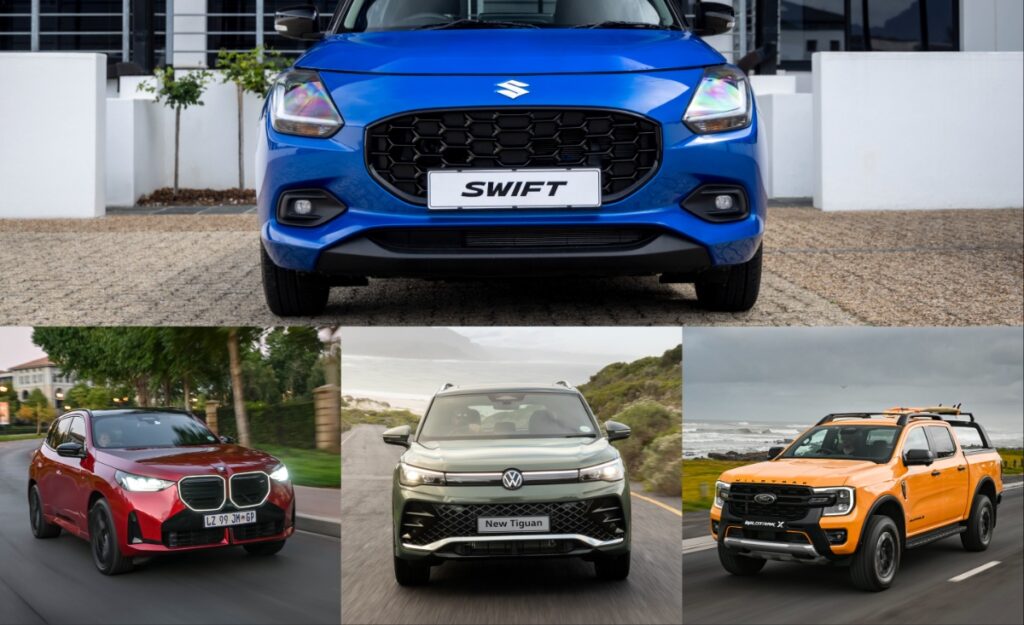
Suzuki is one of the leading car brands in South Africa, selling more vehicles per month than almost any other company.
It is the second-best-selling car brand in the country, only losing out to Toyota, which has long held a dominant position in our market.
To put things in perspective, Suzuki sold a grand total of 6,890 units in October 2025, which is more than it used to sell in an entire year.
Back in 2015, the Japanese carmaker sold 6,282 units, working out to an average of roughly 574 cars per month.
In other words, Suzuki’s sales have increased by a staggering 1,100% within the past 10 years.
While the carmaker has been in South Africa for many years, its dramatic rise to success is relatively new, as it saw an enormous jump in sales starting in 2019.

By the end of 2023, Suzuki was now firmly placed as the nation’s third-best-selling car brand behind the local industry’s two juggernauts – VW and Toyota.
The former didn’t hold out for much longer, either, as Suzuki officially overtook Volkswagen in 2024 to become South Africa’s second-best-selling brand – a position it has held onto ever since.
This is how things stand in the local market as of October 2025, which is the latest month we have sales data for:
- Toyota – 13,559 units
- Suzuki – 6,890 units
- VW – 6,221 units
- Hyundai – 3,017 units
- Ford – 2,946 units
- GWM – 2,805 units
- Isuzu – 2,784 units
- Chery – 2,210 units
- Kia – 1,808 units
- Mahinda – 1,551 units
- Renault – 1,446 units
- Nissan – 1,360 units
- Omoda & Jaecoo – 1,311 units
- BMW – 1,306 units
- Stellantis – 921 units
- Jetour – 856 units
- MG – 606 units
- Mercedes-Benz – 563 units
- Foton – 403 units
- Mazda – 243 units
- Jaguar Land Rover – 216 units
- BAIC – 157 units
- Mitsubishi – 155 units
- Honda – 111 units
- Porsche – 100 units
- Volvo – 95 units
- Subaru – 62 units
What makes Suzuki’s success all the more impressive is the fact that it has no local manufacturing, which is an advantage held by many of its competitors.
Toyota, VW, Ford, and BMW, for example, all have assembly plants in South Africa that produce a wide array of vehicles, from bakkies to budget hatchbacks and luxury SUVs.
Furthermore, Suzuki does not sell a double-cab bakkie, which is one of the key factors driving sales for Toyota and Ford, in particular, as the Hilux and Ranger are two of the most popular vehicles in the country.
Suzuki’s sales are also not inflated by other brands under the same banner, as Audi’s sales contribute towards VW’s total, and Lexus does the same for Toyota.
Suzuki has broken multiple sales records in South Africa in recent months, achieving a new high of 35,597 units in the first half of the 2025/2026 financial year.
This marks an impressive 25.9% (7,338 unit) increase over the numbers it achieved during the same period in the 2024/2025 financial year.
“I am exceptionally proud of what our team at Suzuki Auto South Africa has achieved in the first half of the 2025/2026 financial year,” said Henno Havenga, GM of Auto Sales and Marketing at Suzuki.
“This milestone is a testament to the hard work and dedication of everyone in the organisation, and especially our 117-strong dealer network who represent the Suzuki brand with such genuine pride, passion and care.”
Affordability is the name of the game

The secret behind Suzuki’s success can be attributed to one simple factor – price.
The company sells more cars under R300,000 than any other manufacturing, giving it broad appeal at a time when most households are grappling with the ongoing cost-of-living crisis.
This is evidenced by last month’s car sales, as the R224,900 was the third-best-selling vehicle in South Africa behind the Toyota Hilux and the VW Polo Vivo – both of which are locally-made.
The Swift sold 2,377 cars in October, making it one of only five vehicles to clear 2,000 units.
Another top performer was the Fronx crossover, which sold 1,369 units.
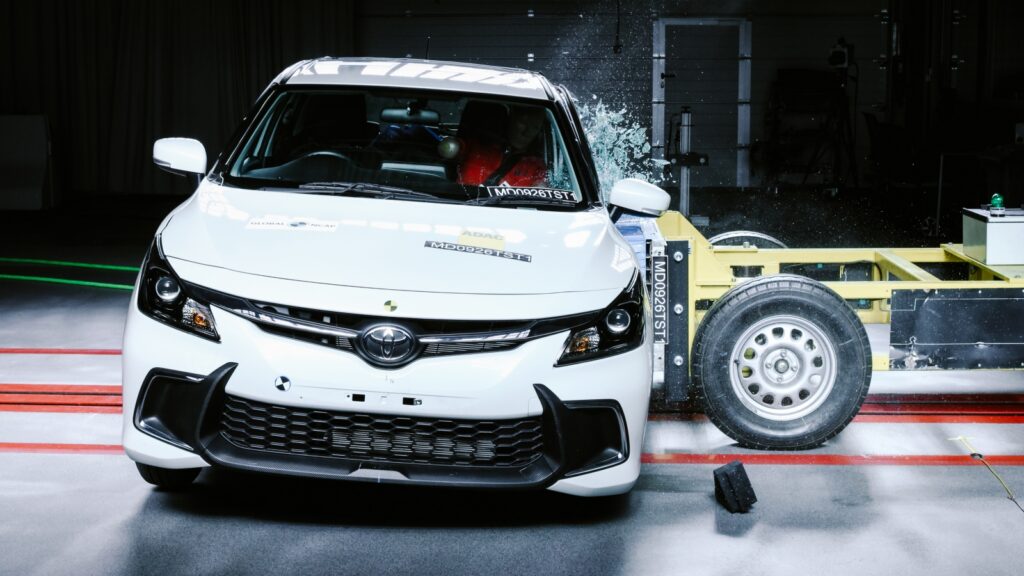
Other favourites included the the Baleno hatchback (596), the Ertiga MPV (521), and the Dzire sedan (409).
All of these cars are manufactured by Suzuki’s Indian branch – Maruti Suzuki – and imported to South Africa at highly-competitive prices that have helped it to dominate the affordable car space.


 Loading ...