The coastal city where South Africa’s favourite bakkie is built


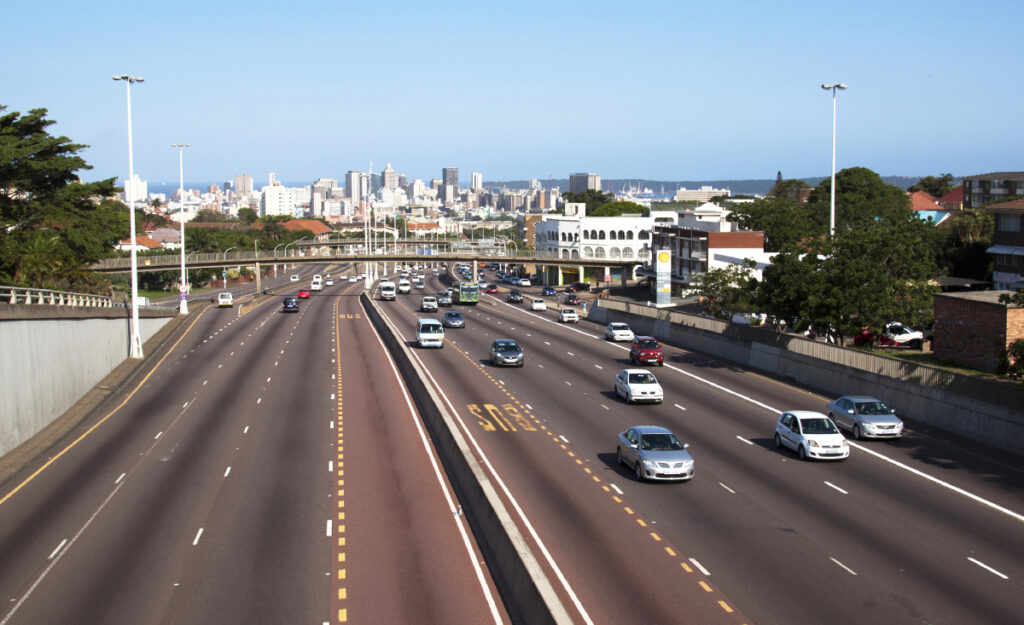
Durban in KwaZulu-Natal, one of South Africa’s biggest and most populous cities, is also home to the factory that produces the country’s favourite bakkie – the Toyota Hilux.
The city has a long and storied history, with archaeological evidence suggesting the area had been occupied by hunter-gatherers for thousands of years by the time Portuguese explorer Vasco da Gama sailed past it in 1497.
European settlement of the area began in 1824, when Cape Colony traders led by Francis G. Farewell named the site Port Natal, which was renamed to Durban in 1835.
In the late 1830s and early 1840s, there were several clashes between the British and the Boers over control of Durban, which was recognised as a town by 1854, before development of Durban’s harbour began in 1855.
Durban continued to grow, as its ideal climate and access to major trading routes through its port attracted both industrialisation and commercialisation of the area.
By 1935, Durban became a city, and today it is South Africa’s third-most populous city, after Johannesburg and Cape Town, and the largest city in KwaZulu-Natal.
While industry remains a key contributor to the city and its surrounding areas, tourism also plays a major role in Durban’s economy.
Earlier this year, Time Out Worldwide ranked it among the ‘Best Places to Travel in 2026’, with the city named the 14th-best travel destination worldwide.
Beyond these, the Dube TradePort Special Economic Zone, adjacent to King Shaka International Airport – around 40km north of the city – is home to major industry players, including manufacturing and assembly.
A major car factory for South Africa

In 1961, Toyota South Africa Motors (TSAM) was established, with the Japanese manufacturer initially assembling the Land Cruiser and Stout bakkie at a small facility in Durban.
Toyota purposefully introduced these models locally, as they were able to withstand tough conditions, making them the perfect choice for farms, mines, and travelling over rugged terrains.
The manufacturer admitted that early local reception was mixed, as Japanese cars were relatively unknown in a market dominated by American and European carmakers.
Toyota managed to make inroads with its durable and affordable offerings, and by the mid-1970s had become one of the most popular brands in the country.
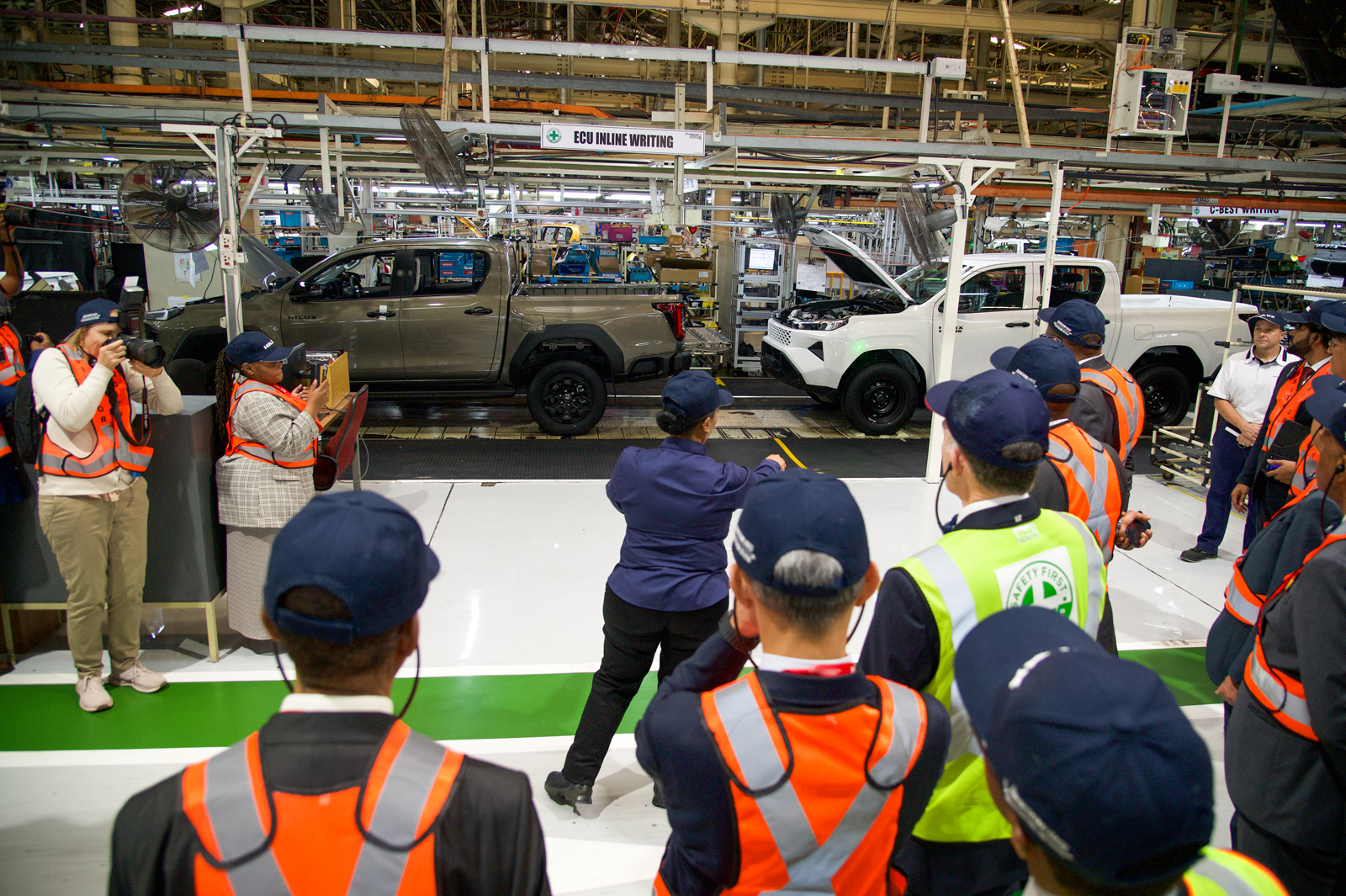
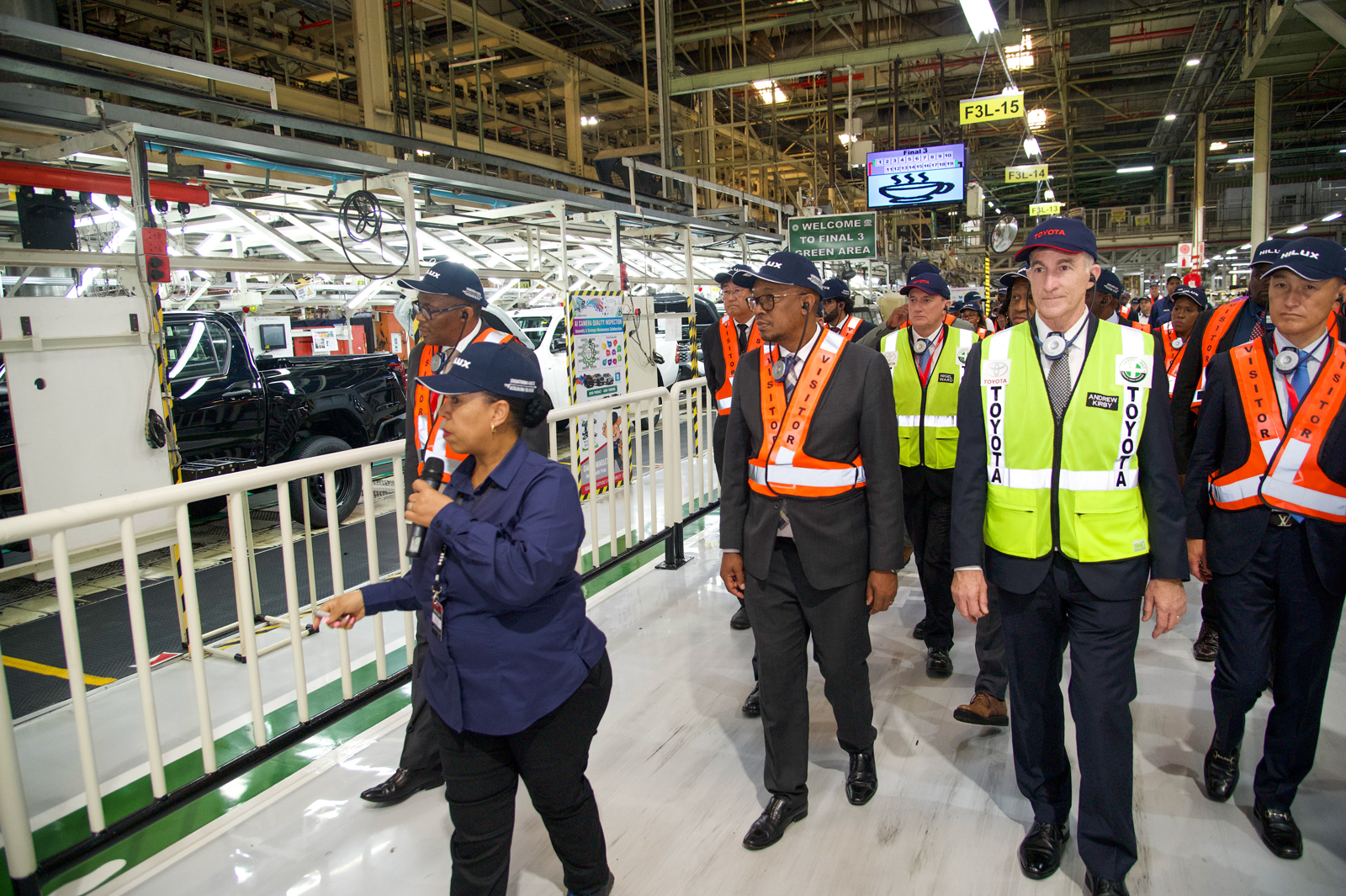
In 1972, TSAM opened its Prospecton Plant – which it still operates today – in Durban, transforming what started as a basic assembly line into one of Toyota’s most advanced manufacturing facilities outside of Japan.
Over time, the Japanese manufacturer has invested billions into the local economy, providing thousands of jobs and supporting local suppliers through its deep localisation strategy.
Importantly, Toyota South Africa Motors has helped position the country as a major player in the global automotive industry.
During the mid-90s, while other manufacturers pulled back and downscaled their operations in South Africa, Toyota stayed and invested further in its local capacity.
Today, Toyota is the largest vehicle manufacturer and exporter in the country, shipping cars built at its Prospecton plant in Durban to more than 70 countries worldwide.
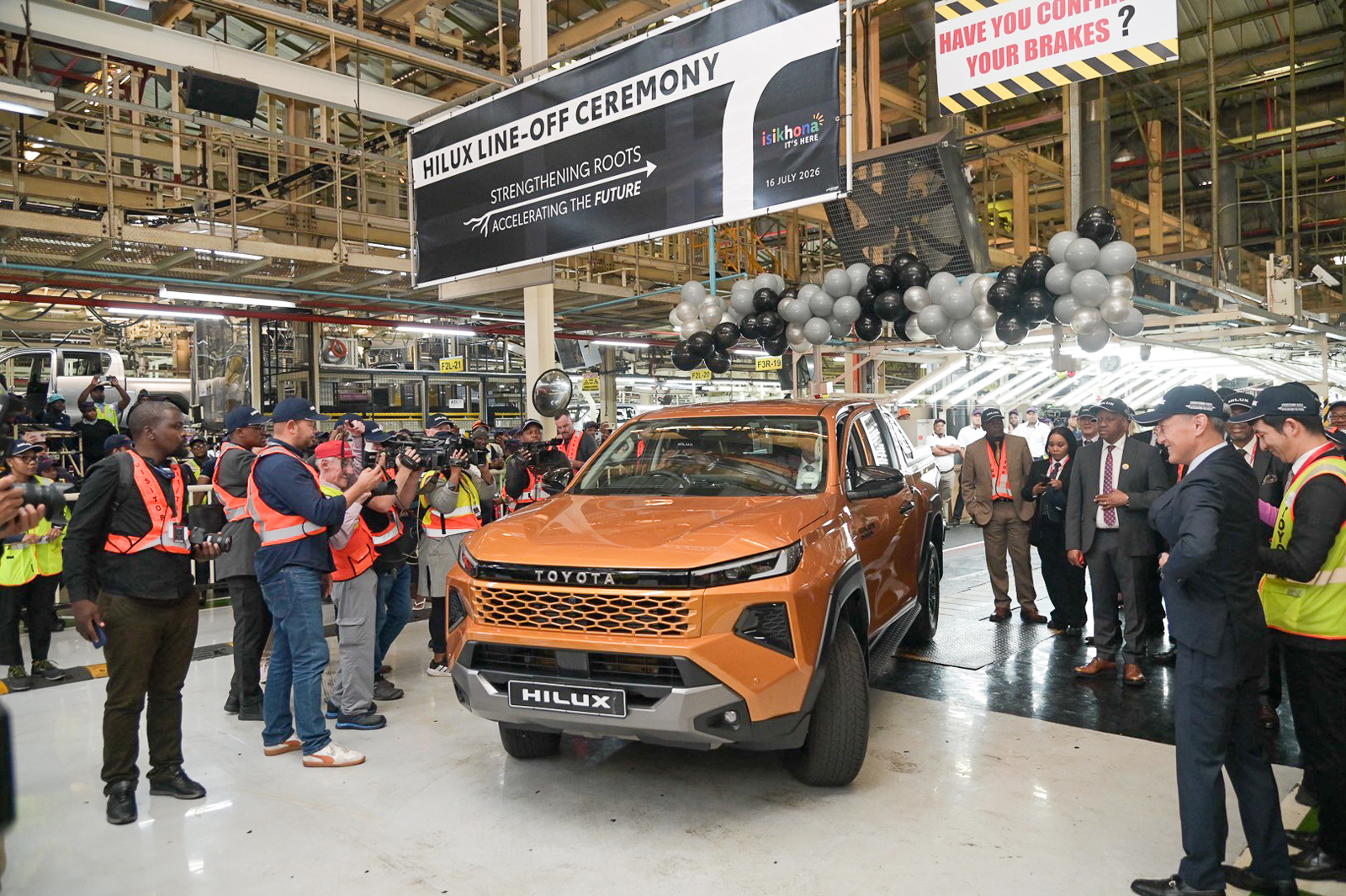
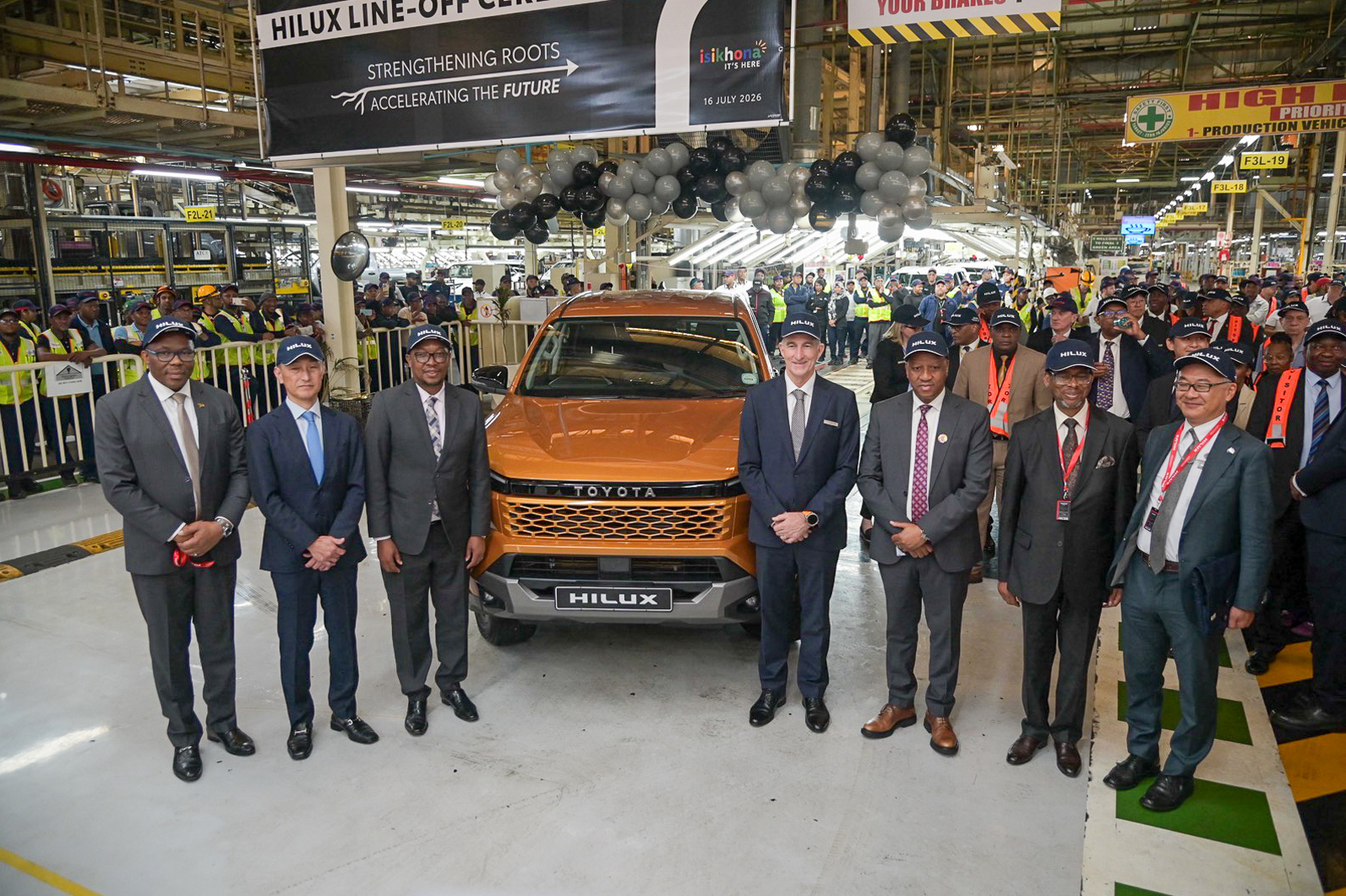
The plant produces the Fortuner, Corolla Cross and the Hiace minibus taxi, as well as South Africa’s favourite bakkie, the Hilux.
This includes the latest ninth-generation models, which were launched in our market earlier this year.
Toyota’s Prospecton Plant





 Loading ...