VW is in deep trouble as it looks to close 4 factories and cut 100,000 jobs


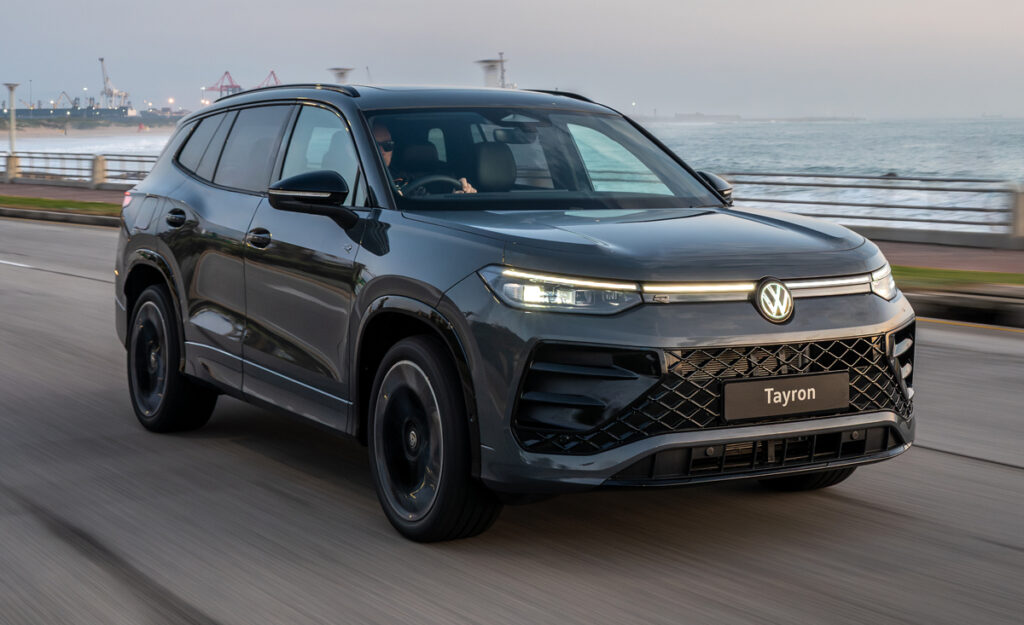
The Volkswagen Group is considering the largest restructuring in automotive history, with reports indicating that the company may close down four factories and lay off up to 100,000 employees worldwide.
The German carmaker is battling against the rise of Chinese competitors, US import tariffs, and lower demand in key markets like the European Union.
In late June 2026, Reuters reported that VW’s supervisory board had been informed that the company was considering closing factories in Hanover, Zwickau, Emden and Audi’s Neckarsulm plant.
This would put another 45,000 jobs at risk, adding to the more than 50,000 jobs already on the chopping block.
If this happens, VW will undergo the biggest restructuring effort in automotive history, surpassing General Motors’ restructuring after it filed for bankruptcy in 2009.
Volkswagen CEO Oliver Blume reportedly made these proposals to senior executives ahead of a supervisory board meeting scheduled for 9 July, where the plans are expected to be discussed.
Investors have reacted cautiously, with VW shares trading at their lowest level in 16 years.
The manufacturer has declined to comment on what it has described as confidential documents; however, it acknowledged that “the entire group, including its brands and subsidiaries, must undergo far-reaching change.”
VW’s proposals have already been met with opposition from German labour unions.
“While top labour representative Daniela Cavallo has been part of VW’s broader renewed attempts to reduce costs, the discussions didn’t detail specific job reduction targets,” reported Bloomberg.
However, separate committee meetings between top management and works council representatives revealed that VW’s management believes that the previously agreed cuts may not be sufficient.
Blume previously attempted to close German factories in 2024, but these efforts were abandoned after strikes from local unions.
The restructuring has also raised questions about what might happen to VW’s factory in South Africa.
The automaker has a production plant in Kariega in the Eastern Cape, which assembles the popular Polo and Polo Vivo hatchbacks for African and European markets.
The car industry is evolving

National Association of Automotive Component and Allied Manufacturers (NAACAM) CEO Renai Moothilal said that it was still too early to comment on the reported job cuts until Volkswagen officially confirms the plans.
In an interview with The Money Show, Moothilal said the news about VW reflects broader structural changes taking place across the global car scene.
“We’ve been seeing this trend of the South African market being penetrated by imports, particularly those coming from the Asian economies, China and India in particular,” said Moothilal.
“It’s been a very strong trend over the last two years or so, to the extent that now you’ve got Chinese brands accounting for almost 17% of the South African market. And we expect that import dominance to continue in the short term.”
He noted that this creates uncertainty and has the potential to upset an industry that supports hundreds of thousands of jobs in South Africa.
“Besides the more than 100,000 direct jobs in manufacturing, you’ve probably got another 300,000-plus jobs in the retail and aftermarket sales and service space,” he said.
One thing Moothilal highlighted is that South Africa’s car market is quite different from Europe because electric vehicles (EVs) have yet to take off in massive numbers.
“I do think for South Africa, it is slightly nuanced in that our market has not become fully electrified or penetrated by electric vehicles in the same way as you find in some of the global markets like the EU,” he said.
“It will probably be some time before we see that kind of dominance of electric vehicles on our roads.”
He warned that one of the biggest threats to South Africa’s car factories is the rapid growth of imported vehicles with their own replacement parts.
“The one concern that we have from the parts and components side of things is that even these imported brands, whether they’re hybrids or internal combustion engine vehicles, are coming in with their own stock of imported replacement components,” he said.
“That’s eroding the market share and employment potential of the South African manufacturing base.”
While these Asian and Indian brands pose a major challenge, Moothilal said that South Africa could take advantage of the evolving auto scene if it moves to attract emerging brands.
“South Africa is well-positioned to partner with a lot of these emerging brands, particularly the Chinese new energy vehicle producers, to produce a lot of those components here in South Africa,” he said.
“I think that’s the challenge and the opportunity that we as leaders, policymakers, influencers and shapers need to very quickly grapple with and find ways of ensuring that those partnerships happen.”
He said that South Africa’s slow reaction to electrification could actually play to its advantage, as the government hasn’t committed to supporting any one drivetrain technology.
“The fact that we haven’t jumped out of the gates and tried to completely shape our market in one particular way is probably an advantage right now,” he said.
“The challenge for us as industry leadership is to make sure that opportunity is not lost. In attracting and helping [emerging car brands] settle down in terms of manufacturing, we need to make sure that as much of their production is being done in South Africa and not coming in containers from China.”



 Loading ...