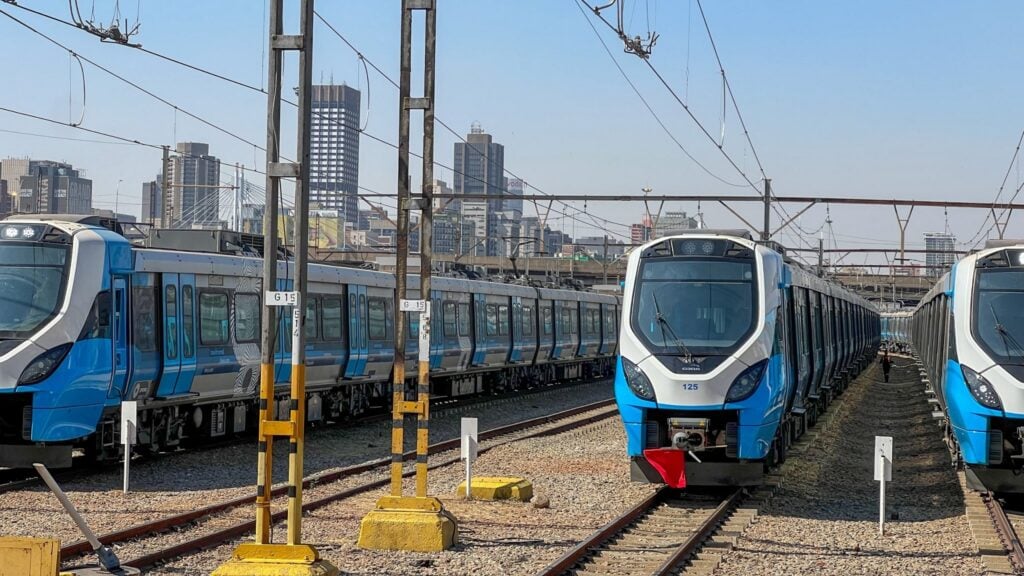
The Passenger Rail Agency of South Africa (PRASA) has appointed the Gibela Rail Transport Consortium to manufacture 600 new trains as it continues to expand its passenger rail operation in the country and beyond.
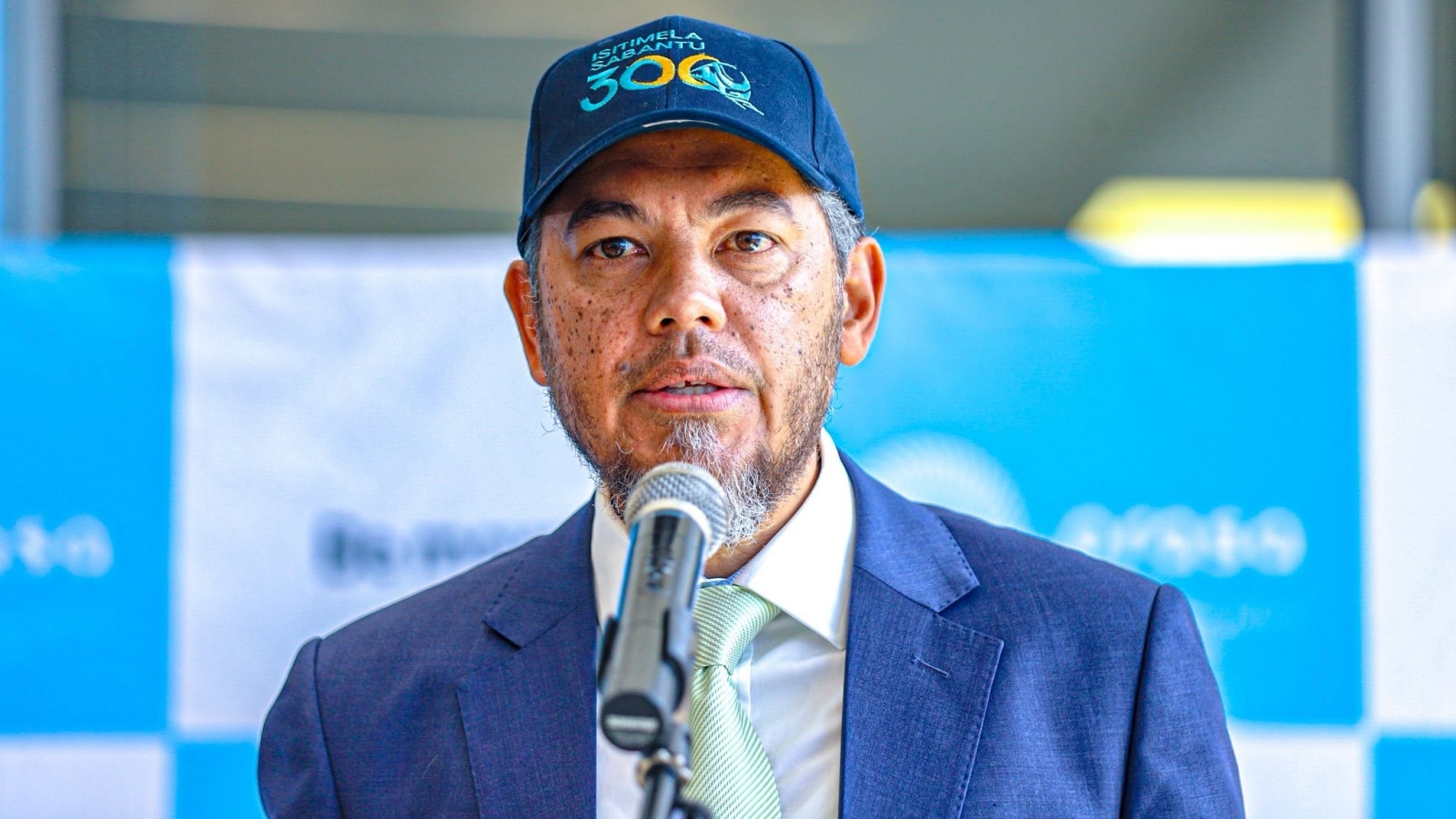
Speaking to BRICS Channel Africa at the Africa Rail Expo, PRASA CEO Hishaam Emeran confirmed that at the end of the contract with Gibela, the factory where these trains will be built will revert to PRASA.
Emeran added that the African Union (AU) has taken the decision to appoint South Africa as the rolling stock manufacturing hub for the continent and beyond.
As a result, the factory reverting to PRASA is a critical decision, as it will then have the capacity to build more trains locally.
“These trains are not only built in South Africa, but we’ve also ensured that the local content within these trains is sourced locally and not imported from across the world,” explained the CEO.
Responding to a question about PRASA’s rollout readiness, Emeran noted that there is still more work that needs to be done before widespread rollout is possible.
“We’ve obviously started engaging with many of our partners in the Southern African Development Community (SADC) region,” he confirmed.
The CEO confirmed that PRASA is not only sharing the new rolling stock fleet that it is manufacturing, but also its existing fleet, where it currently has a surplus.
“There are also opportunities to run those trains in Africa; they are still operational and still have a useful lifespan that we can deal with, and those are the discussions we are having,” he said.
“But as I’ve mentioned, a lot more work needs to be done in terms of ensuring not only that we have the manufacturing facility, but that we have the right structures in place to ensure we can execute those decisions.”
Engaging the private sector
In October 2025, Transport Minister Barbara Creecy launched a request for information from the private sector, specifically for the provision of rolling stock and the management and leasing of rolling stock moving forward.
“We are looking forward to seeing and analysing the feedback we get, which will help us structure some engagement going forward around the establishment of rolling stock companies,” declared Emeran.
“I’ve received feedback that there’s been quite a bit of interest, and that’s only one of the projects. There were five, and across the board, there’s been interest expressed in all of them.”
There is also a revival and modernisation of rail on the continent, including in North African countries, which he says is an acknowledgement that rail is vital to economic growth in the region.
This includes the standard-gauge rail developments in other African nations, like Tanzania, which highlight the importance of rail within cities.
“We’ve had quite a bit of discussion around interconnectivity between countries. So certainly, I think going back to the AU, Agenda 2063 talks about a high-speed railway line connecting the continent,” he said.
“So there are a lot of exciting things happening. I think it is not a case where it’s South Africa or others; it’s a continent that needs to come together.”
Emeran admitted that while it is an exciting time for rail and passenger rail in Africa, especially considering the significant growth seen in the last two or three years, there is still a lot that needs to be done.






 Loading ...