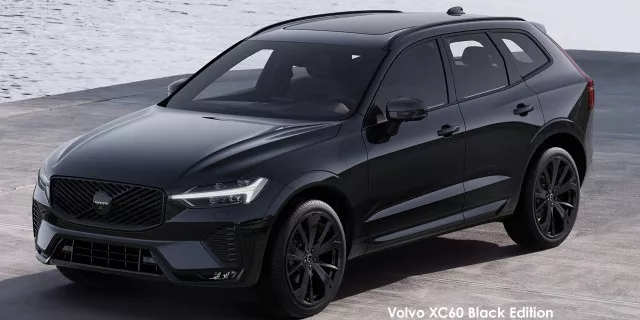
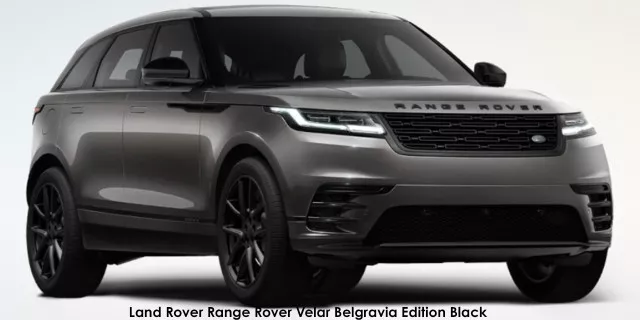
Chinese car brands have seen a surge in interest over the last five years, but they still have a long way to go if they hope to challenge South Africa’s dominant automaker.
This is according to the latest monthly industry sales figures published by the Automotive Business Council, which shows that Toyota is still the country’s leading car brand.
The Japanese manufacturer sold a total of 14,142 units in July 2026, accounting for 24.5% of the 57,708 vehicles sold across the industry.
This is more than double the number of the second most popular brand, Suzuki, which sold a still-impressive 5,994 units last month.
In fact, Toyota nearly sold as many cars as the second-, third-, and fourth-best-performing brands combined, illustrating the sheer scale of the company’s reach in South Africa.
In comparison, the best-selling Chinese car brand this July was Chery, which came sixth overall with 2,709 units. GWM came seventh with 2,504 sales.
While this is a remarkable achievement for two brands that are still newcomers compared with many other nameplates on the market, it underscores that legacy badges still hold significant sway in South Africa.
Even if we account for the fact that Chery’s official sales figure does not include sub-brands like Omoda, Jaecoo, Jetour, Lepas, and iCAUR (the latter two of which have yet to begin reporting sales to Naamsa), Chery is still selling less than half as many cars as Toyota.
WesBank noted that legacy brands continue to play a leading role in South Africa despite the influx of new competitors from Asian, mostly from China and India.
“Even amid a significant market surge from aggressively priced Chinese and Indian manufacturers, local dealers report that traditional car brands retain a distinct competitive edge in South Africa,” said Thanda Sithole, Senior Economist at FNB and WesBank.
“Consumers continue to favour legacy brands, likely valuing established after-sales support networks and predictable resale values when calculating their long-term automotive investments.”
These were the top 15 best-selling car brands in South Africa in July 2026:
- Toyota – 14,142 units
- Suzuki – 5,994 units
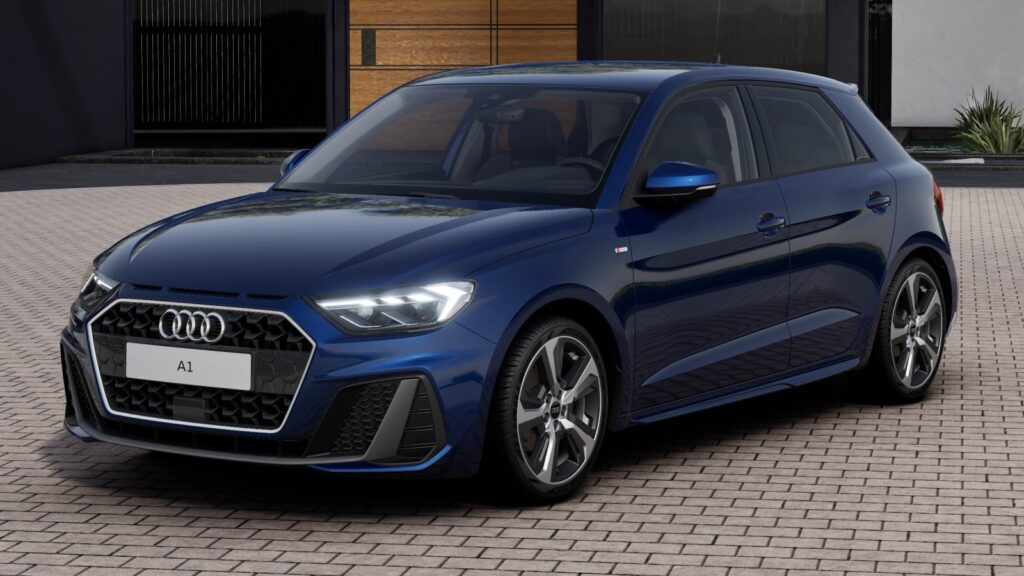
- VW Group – 5,799 units
- Hyundai – 3,058 units
- Ford – 2,927 units
- Chery – 2,709 units
- GWM – 2,504 units
- Isuzu – 2,435 units
- Jetour – 2,034 units
- Kia – 1,920 units
- Omoda & Jaecoo – 1,502 units
- Mahindra – 1,502 units
- Renault – 1,360 units
- BMW Group – 1,256 units
- BYD – 860 units
Note that the Volkswagen Group includes VW and Audi sales, while the BMW Group includes BMW, Mini, and Rolls-Royce.
South Africa’s best month for passenger car sales in 12 years
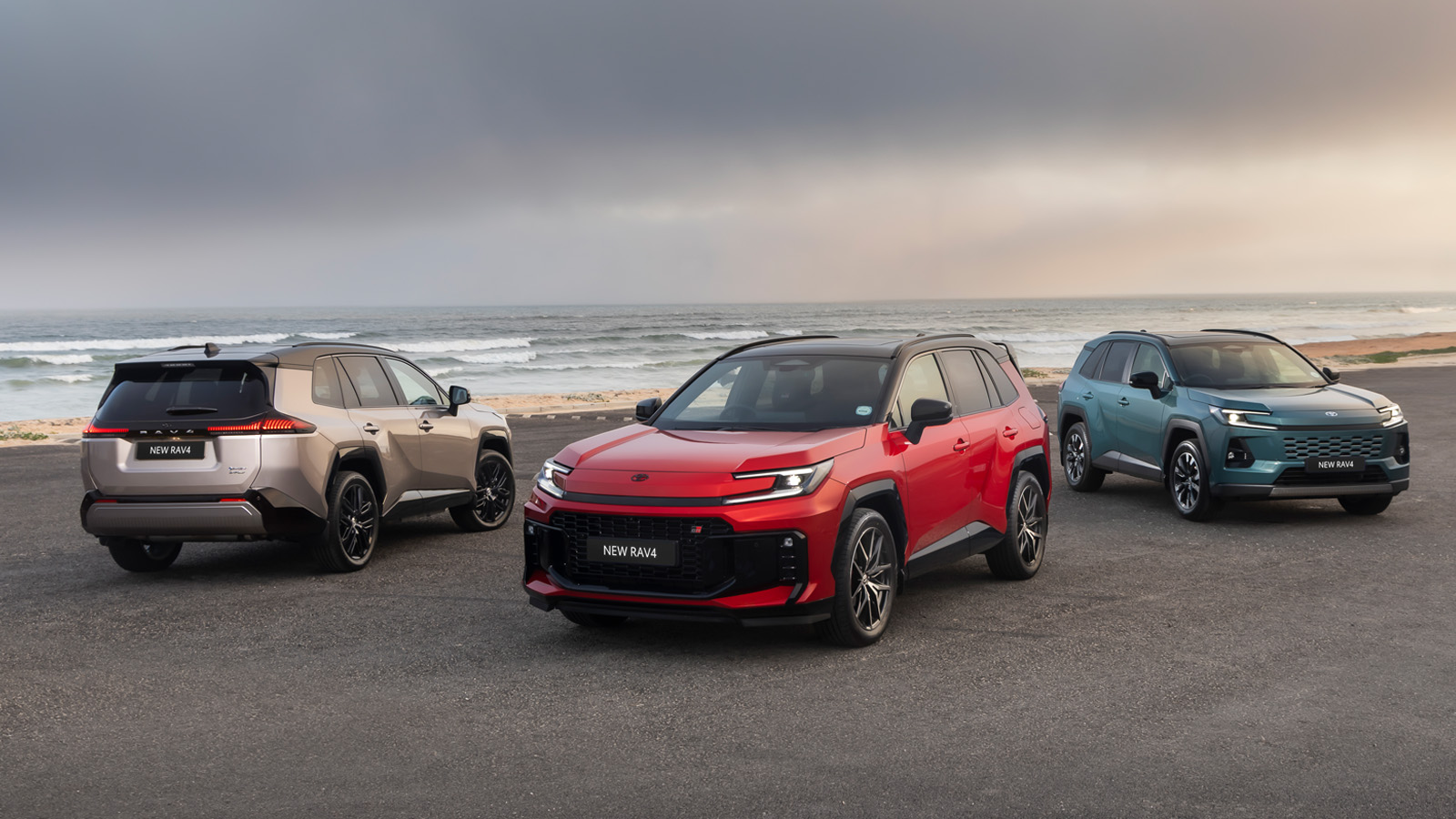
South Africa’s passenger car market delivered its strongest performance in 12 years in July, with sales improving 11.9% year-on-year.
WesBank attributed July’s results to lower fuel prices and resilient consumer demand, despite persistent affordability pressures like elevated inflation and interest rates.
“July’s performance suggests the domestic vehicle market is benefiting from a convergence of supportive factors,” said Sithole.
“Relatively lower fuel prices have eased pressure on household budgets and, together with the pause in interest rates, have improved affordability at the margin, providing some support for demand for new vehicles.”
Light commercial vehicles like bakkies and minibuses saw a similar uptick in sales, increasing YoY by 10.6% to reach 13,710 units.
Medium and heavy commercial vehicle sales increased by 19.4% and 7.0% YoY to reach 843 and 2,243 units, respectively, which Sithole said was a good indication of the industry’s health.
“The broad-based growth across passenger, light commercial and heavier commercial vehicle segments is an encouraging sign,” he said.
“It suggests demand is becoming more balanced, reflecting both resilient household spending on vehicle replacements and continued business investment in fleet replacement and broader productive assets.”
Affordability remains a critical deciding factor for motorists financing their vehicles. Headline consumer inflation accelerated to 5.0% in June 2026, reflecting supply-side pressures from the war in the Middle East.
Against this backdrop, the South African Reserve Bank’s Monetary Policy Committee elected to keep the repo rate steady at 7.00% and the prime lending rate of 10,50% at its July meeting, providing a small measure of relief to households buying new cars.



 Loading ...
-facelift-2-2025.10.webp)