Job losses and factory closures hit South Africa’s auto sector


The automotive components manufacturing sector in South Africa is under severe pressure, forcing factory closures and job losses as local production struggles to keep up with cheap Chinese and Indian imports.
Industry stakeholders have warned that this will continue unless interventions are implemented and South Africa’s policies are redressed.
In a webinar, the National Association of Automotive Component and Allied Manufacturers (NAACAM) said 7,500 jobs had been lost across the autoparts industry in the last three years, with sector employment down to 79,800.
It added that, over the same period, an estimated 15 businesses across the sector had also closed their doors.
The association’s COO Nduduzo Chala said NAACAM noticed the drop in sector employment and narrowed down the cause to numerous challenges within the industry.
Ongoing challenges include rising production costs, energy and logistics challenges, global competition, skills shortages, and the country’s transition towards New Energy Vehicles (NEVs).
NAACAM represents over 150 automotive component manufacturers and 40 associate members who provide specialised services across the sector.
According to Chala, 63% of its members were considering job cuts over the next 12 months, or had already done so in the last two years.
The COO is also the managing executive of the South African Tyre Manufacturers Conference and used the closure of Goodyear’s tyre plant in Kariega last year as an example that led to 907 lost jobs.
He warned that future job cuts are on the table as a result of production decreases from the six original equipment manufacturers (OEMs) in South Africa.
“If an OEM said ‘we are going to make 100,000 vehicles’, the component manufacturers will gear up for that 100,000 vehicles,” Chala said.
“When the OEM says ‘we’ll now make 80, or 70, or 50’, there is an impact that happens. The component manufacturer says ‘I no longer require three shifts’. That is the reality we have now.”
Policy redress needed to save South Africa’s auto sector
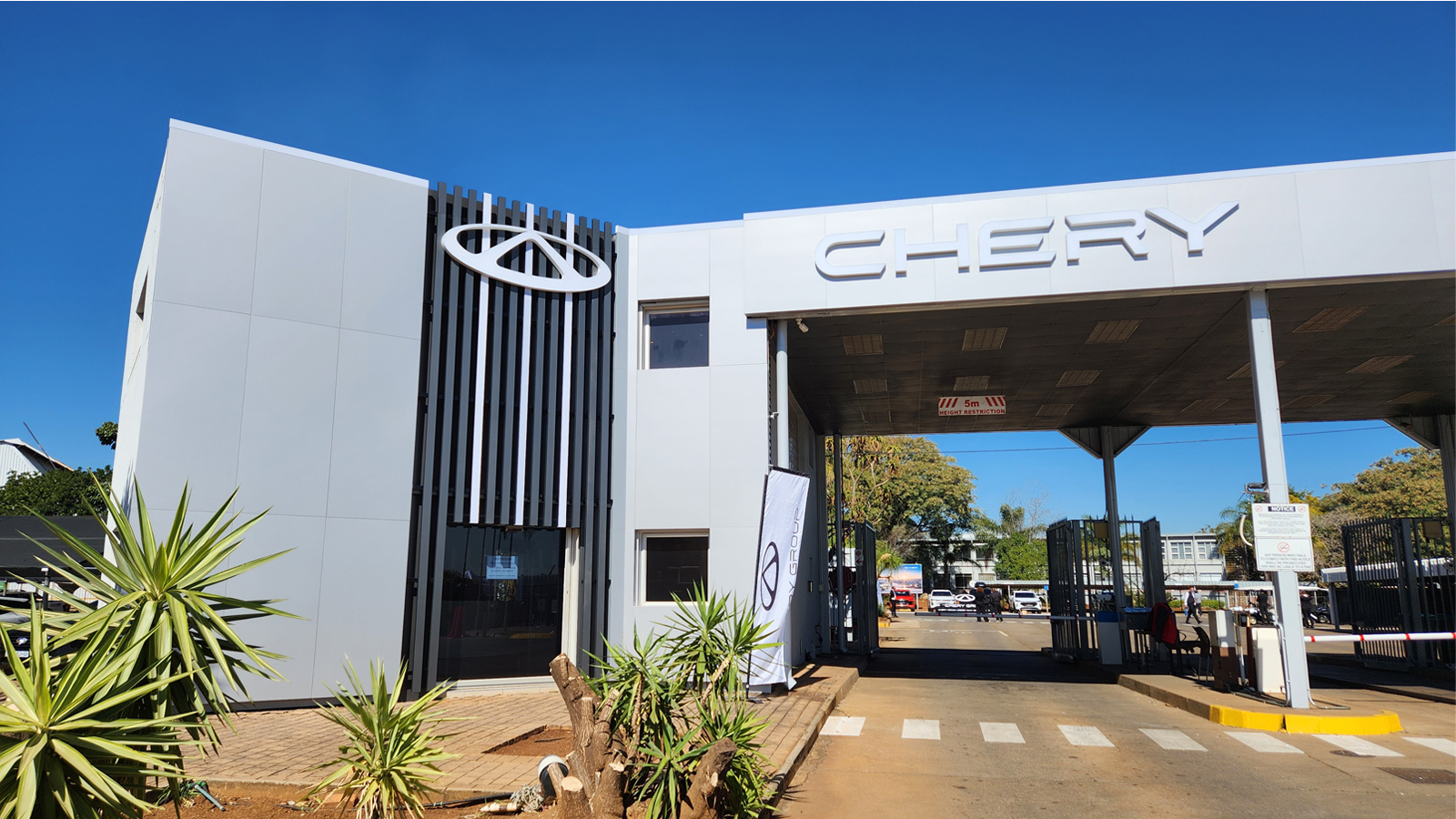
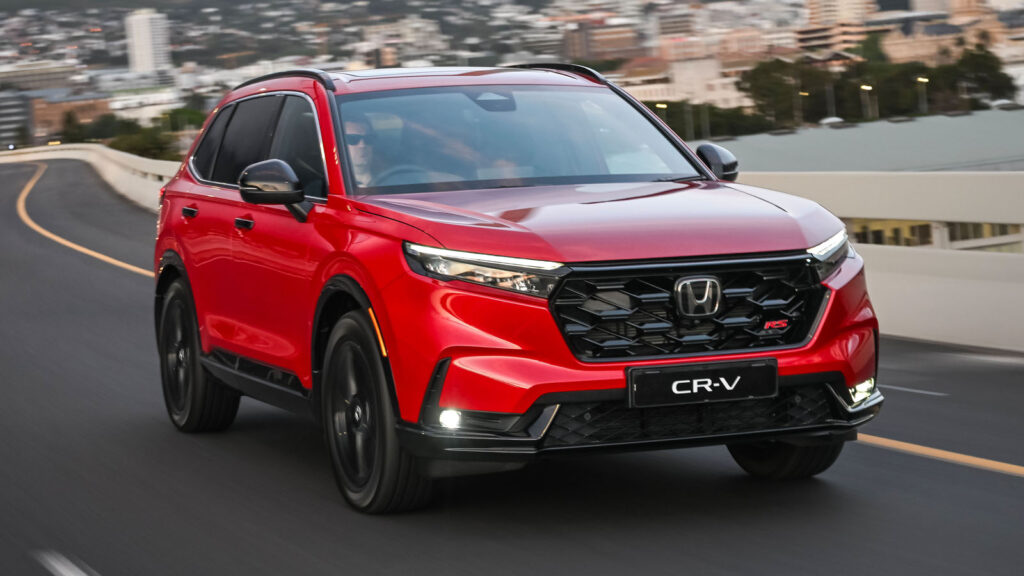
In an interview with The Money Show, Chala explained that while South Africa’s new car sales numbers look great on paper, most of these are made up of imported vehicles.
He said during the second half of last year, locally manufactured vehicles made up less than 40% of all local sales, highlighting the dominance of imported brands.
“The majority of the sales are imported materials, so that then has a knock-on effect on the local component manufacturers because we’re not selling as much local product,” said Chala.
To rectify this, Chala and NAACAM have called on South Africa to protect local manufacturing from restrictive tariffs and other barriers.
He said the association is looking to make local manufacturers more competitive by increasing tariffs on completely built units (CBUs) and complete knock-down (CKD) kits, from 25% and 20% up to 40% and 30%, respectively.
Alongside these, Chala called for an increase in the luxury vehicle tax threshold, which has not been updated in over three decades.
All cars priced over R250,000 are subject to ad valorem tax, despite most models at this price being seen as budget offerings by current standards.
“Our position is that this should be moved up to R500,000, so the vehicles we manufacture locally which are below that don’t attract that particular tax,” Chala said.
A worrying trend the COO highlighted to The Money Show is OEMs selling excess manufacturing credits to importers.
These credits, which can be used to offset tariffs or duties on products brought into South Africa, give importers another advantage over local manufacturers, creating further disparity in competitiveness.
“That’s why we say the APDP2 currently is misaligned, because it’s pushing and allowing for more of those credits to be sold, and importers then gain an advantage compared to us as local manufacturers,” he concluded.



 Loading ...