Operational inefficiencies at South Africa’s ports are stifling local automotive manufacturers’ global expansion and holding back the targets set by the South African Automotive Masterplan 2035.
This is according to Mignon Fishburn, Automotive Vertical Lead at global logistics service provider Steinweg, who said that ports play a major role in determining whether those targets are achieved.
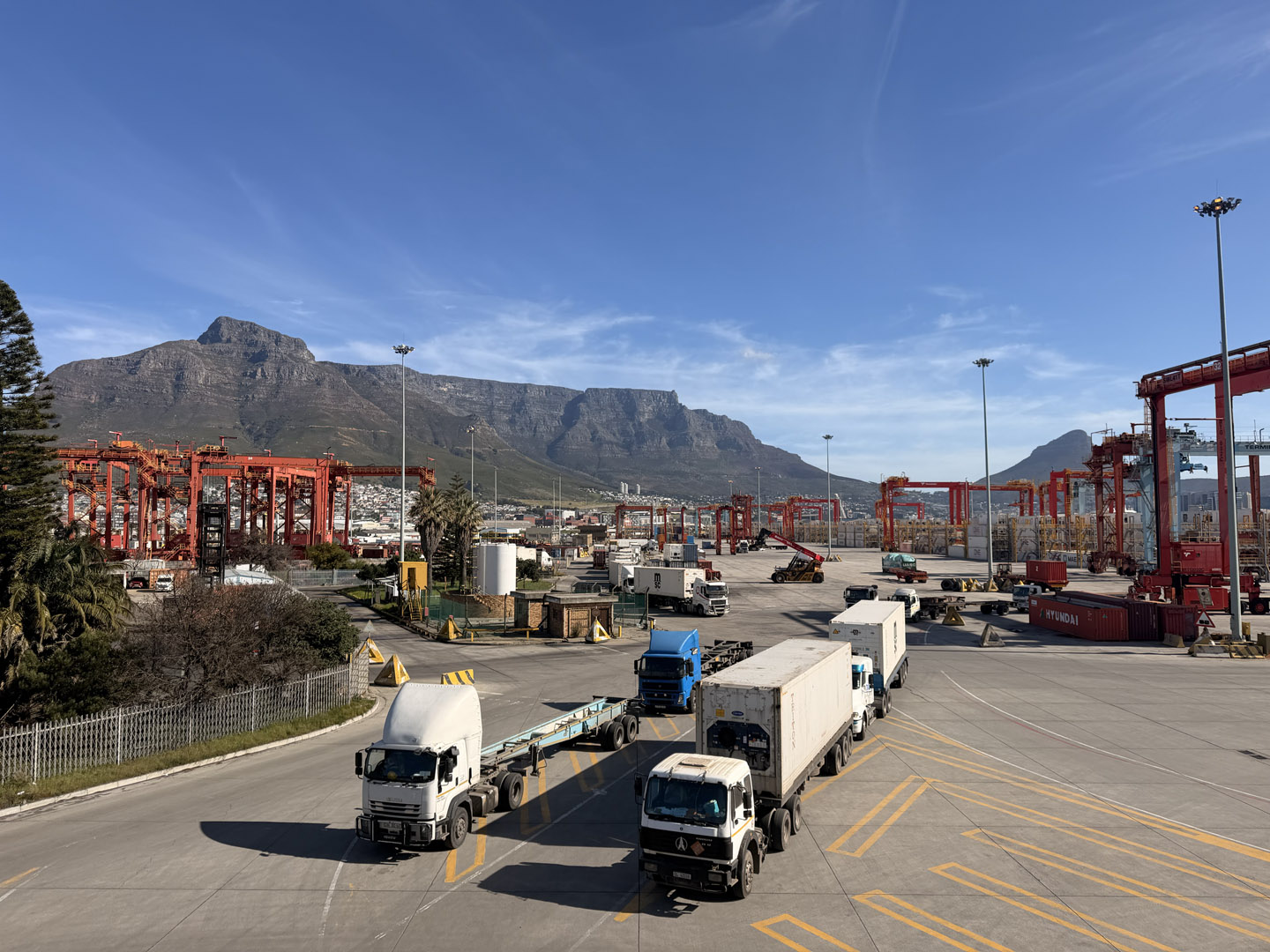
The World Bank’s 2024 Container Port Performance Index ranked the Port of Durban last out of 403 ports globally for operational efficiency, while the Port of Cape Town also ranked around 400th.
The ports of Ngqura and Gqeberha also ranked among the lowest-performing ports measured by the World Bank.
These rankings take into account factors like vessel turnaround times, operational productivity, and the amount of time ships spend in port.
That said, the 2025 rankings found Durban to be the most improved among all ports assessed, while this time around, Cape Town ranked last.
Recent data from Transnet also showed that crane efficiency in Durban’s Pier 2 has increased from 18 to 28 moves per hour since the start of the year.
Transport Minister Barbara Creecy also recently revealed that the Port of Cape Town had shown signs of reduced vessel turnaround times.
It recorded a 16% increase in container volumes during the first quarter of the 2027 financial year, ahead of the facility’s busiest export season.
Fishburn explained that the local automotive industry relies on a constant flow of components and finished products, and port delays affect production planning, inventory management and export schedules.
She added that South Africa’s manufacturers have less room for disruption than they did a decade ago.
“Equipment breakdowns, ageing infrastructure, delayed maintenance cycles, vessel scheduling challenges and shortages of technical and operational skills slow cargo movement through South Africa’s ports,” Fishburn said.
“Ships spend longer waiting to berth, and containers spend longer in terminals, and supply chains absorb the cost.”
A major roadblock for South Africa’s automotive sector
The South African Automotive Masterplan 2035 aims to increase local manufacturing, deepen localisation and strengthen South Africa’s position as a globally competitive automotive hub.
However, industry stakeholders continue to identify infrastructure, particularly ports, rail and freight networks, as the biggest obstacles to achieving those goals.
As a result, production volumes have fallen short of the targets set in the masterplan, and localisation has stalled, while competitiveness has also come under pressure.
Fishburn explained that without reliable logistics infrastructure, those challenges become harder to overcome.
“In the Eastern Cape, where a large share of South Africa’s automotive manufacturing activity is concentrated, logistics inefficiencies and infrastructure bottlenecks are eroding competitiveness,” she said.
“Freight congestion and port delays have extended lead times for some exports and placed additional pressure on manufacturers operating on just-in-time principles.”
In 2016, transhipment cargo accounted for around 23% of South Africa’s container volumes. By 2024 and 2025, that figure had fallen to around 13% – a decline of roughly 40% to 45%.
According to Fishburn, transhipment cargo attracts major shipping lines, strengthens trade connections and generates revenue for ports, while lower volumes reduce connectivity.
“South Africa is one of Africa’s most important logistics hubs, and investment is being directed towards infrastructure improvements,” she said.
“Progress has been made, but the gap between South Africa’s ports and leading global competitors is still substantial.”
The automotive industry contributes around 5.2% of GDP, supports hundreds of thousands of jobs, and accounts for 22.6% of manufacturing value addition, which means manufacturers cannot wait for infrastructure reform.
Fishburn noted that achieving the automotive masterplan depends on how efficiently South Africa can move components and finished vehicles through its ports.






 Loading ...