The top Chinese brand selling 83 cars every day in South Africa


GWM is one of the best-performing auto brands in South Africa, selling thousands of vehicles every month.
The Chinese carmaker was the seventh best-selling brand in the country in August 2026 with 2,594 units, working out to an average of 83.6 cars per day over the 31-day period.
GWM and its main rival, Chery, are the market leaders with regards to Chinese vehicle adoption in South Africa, having seen a massive surge in interest since the start of the decade.
In August 2020, the top 10 best-selling brands included familiar names like Kia, Nissan, Isuzu, Mercedes-Benz, and Renault. Haval came 13th with 724 sales.
Fast forward to the same month six years later, and Nissan and Mercedes have dropped out of the top 15 entirely, while Chinese brands like GWM, Chery, and Jetour have all moved into the top 10.
The automaker used to operate as Haval Motors South Africa, but in early 2024, it decided to rebrand itself under its parent company name Great Wall Motors.
Haval is still around and accounts for the lion’s share of GWM’s sales in South Africa, but you’ll notice that newer Haval models now say GWM on the back.
This was done to consolidate the company’s family of brands under a single roof, forming a more cohesive identity while simplifying the roster for consumers.
Haval is the mass-market brand, producing family crossovers and SUVs like the Jolion, H6, and H7. GWM itself is mainly defined by its P-Series bakkie range, comprising the P300 and P500.
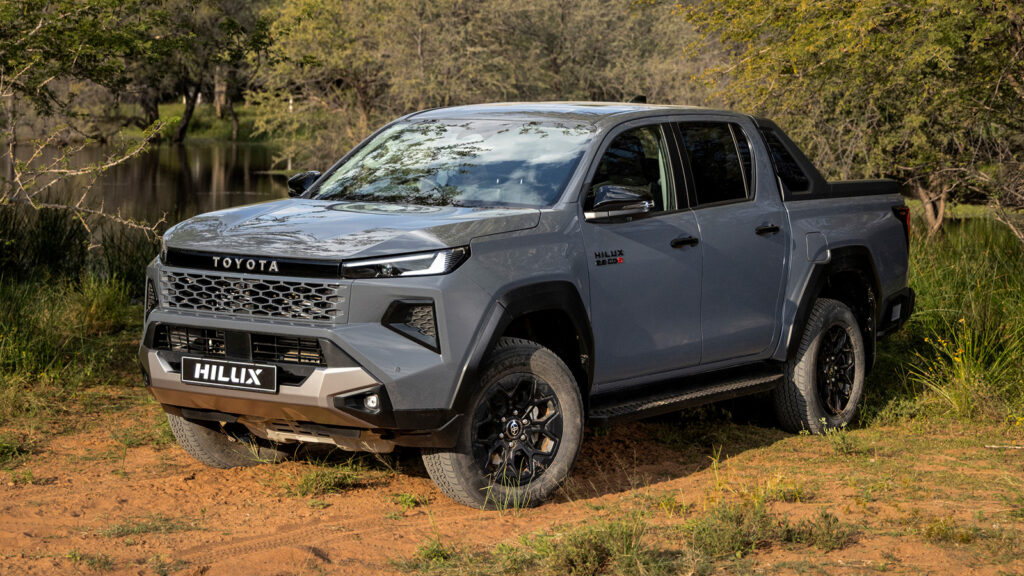
The P300 is classified as a midsize pickup and is a direct competitor to local favourites like the Ford Ranger, Toyota Hilux, and Isuzu D-Max, while the P500 is a larger, more premium vehicle taking on the growing lifestyle bakkie segment.
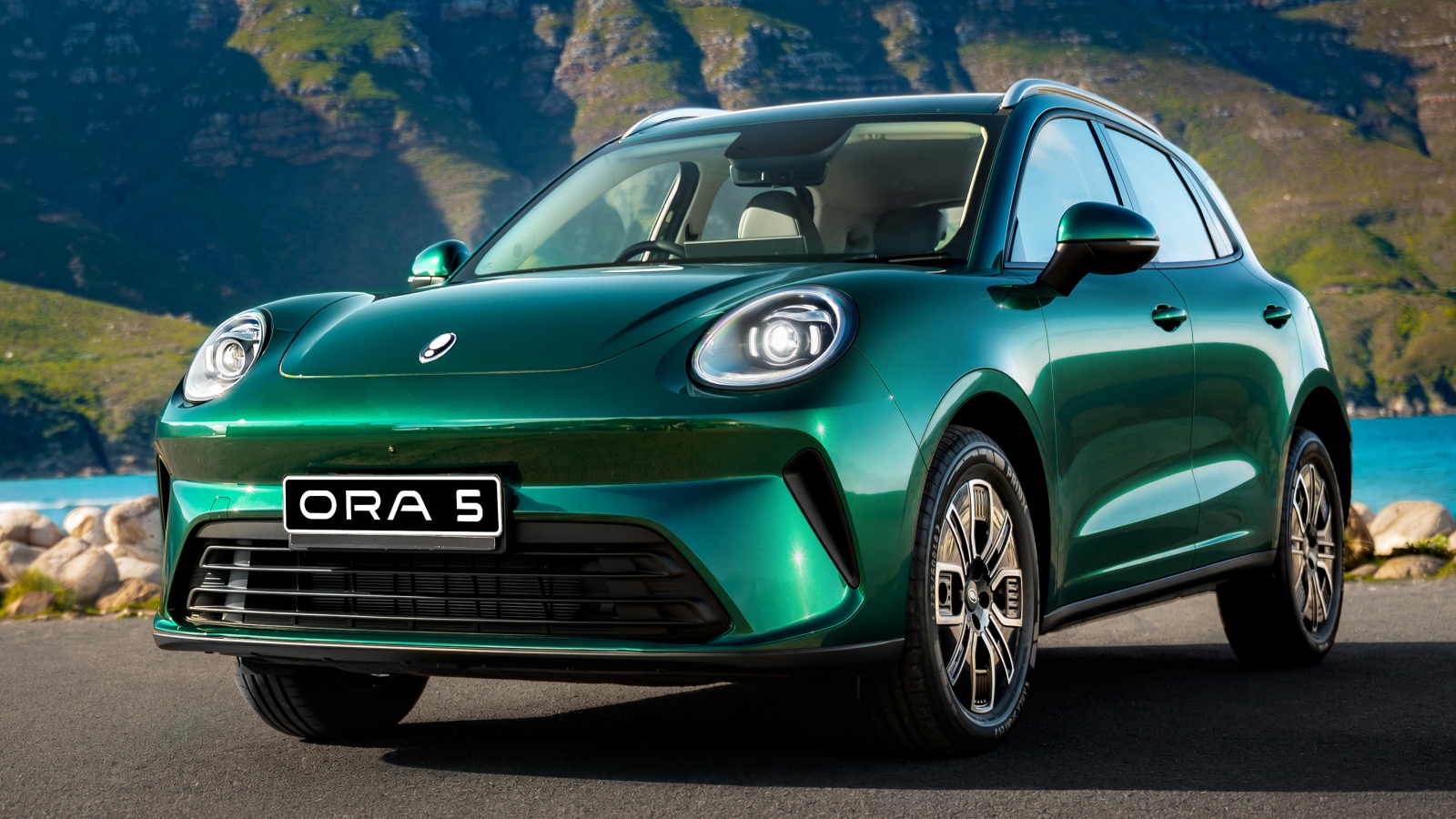
Tank is another GWM sub-brand that specialises in luxurious 4×4 SUVs, such as the Tank 300 and 500, while Ora is a new energy vehicle brand that makes urban models with an emphasis on electrified powertrains.
Collectively, these brands sold 2,594 under the GWM banner in August 2026, marking a 258% increase from the 724 units sold in the same month six years prior.
The rise of GWM in South Africa
Chinese cars have exploded in popularity since the start of the decade due to their much lower prices relative to equivalent models from other brands.
The P300, for example, starts at R446,950 for a double cab, while the cheapest five-seater Hilux asks for R583,500. The next-gen Hilux is even more expensive, starting at R665,300.
It’s the same story with passenger cars, as the Haval Jolion starts at R348,950, while the entry-level Toyota Corolla Cross is R424,900.
GWM is also one of the car brands that has been rapidly expanding its new energy vehicle selection, as most of its cars now have a hybrid or electric option, including the Jolion, H6, H7, Ora 05, P500, and Tank 500.
This collection of competitively priced and fuel-efficient models has resonated with local buyers, who are struggling to keep up with the rising cost of living.
Petrol prices have climbed up to R27 per litre this month, while the wholesale price of diesel has broken the R30 per litre mark.
This not only raises the cost of travel, but has a detrimental impact on the cost of food and most other goods and services, leading many households to consider new transport options that are both cheaper to buy and more affordable to run.
GWM

Haval

Ora
Tank



 Loading ...