
This type of car saw an 88% sales increase in 1 year in South Africa


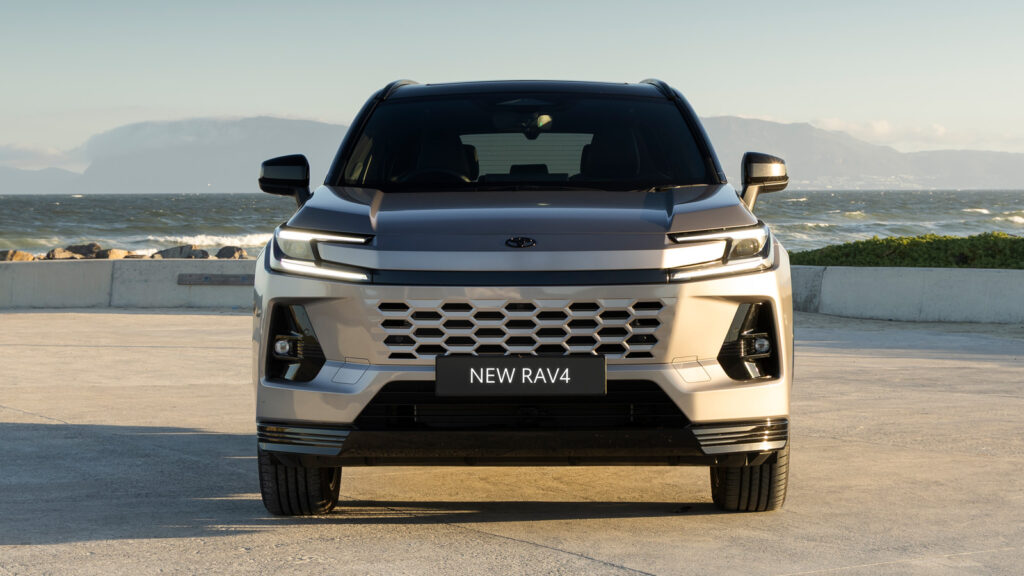
Hybrid and electric cars experienced an 88% jump in sales over the last year in South Africa, highlighting a growing demand for vehicles with low running costs.
According to Naamsa’s latest auto industry data, a total of 16,289 new energy vehicles (NEVs) were sold in the first seven months of 2026, representing an 88% increase over the same period in 2025.
Furthermore, the 16,289 units are already equivalent to 97.5% of the total NEV sales recorded during the whole of 2025.
Year-to-date sales for hybrid electric vehicles (HEVs) are currently sitting at 8,078 units, while plug-in hybrid (PHEV) and electric cars are at 5,851 and 2,360 units, respectively.
HEV sales increased by 16.7% over the seven-month period under review, while electric sales grew by 268%, and PHEV sales skyrocketed by 432%.
The reason for the growth discrepancy between the three NEV types is that HEVs were and still are the most common type of electrified vehicle, meaning they experienced the smallest proportional growth.
The EV and PHEV segments, meanwhile, welcomed several new and relatively affordable models over the last year, making the technology more accessible and leading to a massive uptick in sales.
In the EV space, new models like the R339,900 Geely E2 have proven to be incredibly popular, while the starting price of PHEVs has been lowered thanks to the introduction of options like the R510,000 BYD Sealion 5.
Rising petrol costs reshaping motorist buying habits

South Africa’s new vehicle market maintained its upward momentum in August 2026 with sales reaching 57,898 units, a year-on-year increase of 11.4%.
WesBank noted that this occurred despite a challenging economic backdrop amid concerns over high fuel prices and inflation.
“August provided a relatively supportive environment for vehicle demand, particularly for consumers,” said Thanda Sithole, Senior Economist: FNB and WesBank.
“Inflation moderated to 4,3% in July from 5,0% in June, while the repo rate remained at 7,00%, with prime at 10,50%.”
The financial service provider commented that rising fuel costs are reshaping the overall affordability question for vehicle ownership.
Petrol is increasing by R1.34 per litre this September, while diesel users are being hit with an even larger hike of R3.15 per litre.
“The latest adjustment reinforces the need for buyers to consider the full cost of ownership when making vehicle decisions, rather than focusing solely on the monthly instalment,” said WesBank.
Sithole said that the affordability calculation is becoming more important for both consumers and businesses.
“The purchase price or monthly repayment is only one part of the equation. Fuel consumption, maintenance, insurance and expected vehicle usage all contribute to what a vehicle ultimately costs over the life of the agreement,” he said.
“In an environment where running costs can change quickly, understanding that full picture becomes increasingly valuable.”
WesBank claimed that this focus on total ownership is one of the main drivers of NEV growth in South Africa.


 Loading ...
Conversation
2 commentsMy shadow has been cast down on the whole earth due unfair story I am saddened by the fact that I was killed while living in South Africa I a’m aslo bieng abused at work with the intention of making me lose my job as I am currently staying at home I have two children from different mothers. He’s uses his power in a negative way how does he separate the child from his culture what is the court law over the world for the people who support children’s through the court unfair ✌️💔🌎🐋