Major company spent R70 million buying dealerships in South Africa


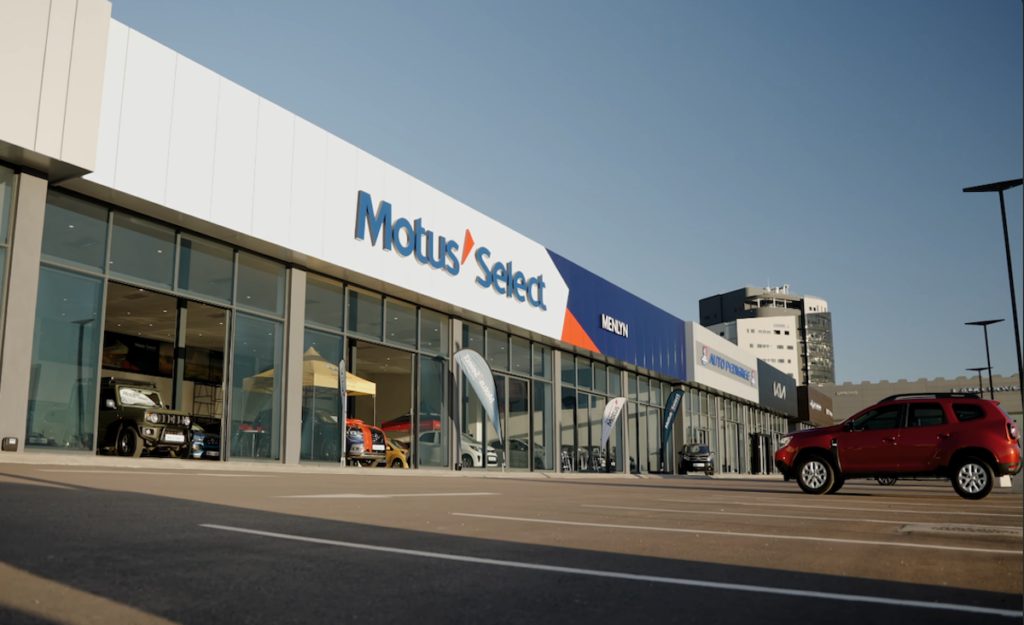
South Africa’s biggest automotive retailer, Motus, acquired two major dealerships for R73 million this year as it continues to capitalise on increased interest in emerging car brands, particularly from India and China.
The dealer group said in its annual financial report that the global automotive industry underwent significant structural change during the 2026 financial year.
It added that economic growth remained moderate and inflationary pressures re-emerged in several regions due to higher energy prices and supply chain disruptions due to global conflicts.
Despite this, Motus reported that the most notable industry trend was the transition towards electrified vehicles – hybrids, EVs, and PHEVs – and the growing influence of Chinese carmakers.
“Chinese manufacturers continued to gain market share through strong value propositions, advanced technology and rapid product development cycles, placing increasing pressure on traditional global automotive brands that have generally been slower to adapt to changing consumer preferences,” the group reported.
Motus noted that, despite economic challenges, automotive demand remained resilient in many markets, including South Africa, supported by replacement demand and growing consumer adoption of electrified vehicles.
“South Africa’s automotive market remained strong during the period, although the competitive landscape changed materially,” it said.
“However, rising fuel costs, higher borrowing costs and global economic uncertainty moderated growth toward the end of the financial year.”
As a result of this shift in the local competitive landscape and the rapid transition to Chinese and Indian vehicles, Motus acquired two dealerships, increasing its offerings.
“The diversification of our brand portfolio continued with the acquisition of dealerships for emerging brands, including Chery, Suzuki, and Mahindra,” said the group.
The first acquisition was that of the GWM George multi-franchise dealership, which it bought for R10 million in February.
The purchase expanded Motus’s portfolio to include the GWM, Haval and Honda brands, as well as pre-owned vehicle sales and servicing operations.
Following this, the group acquired Motus Garsfontein multi-franchise in a R63 million transaction that was completed in March, incorporating Suzuki Menlyn, Chery Menlyn, and Omoda & Jaecoo Menlyn into its network.
Dealer groups expanding in South Africa despite pressure
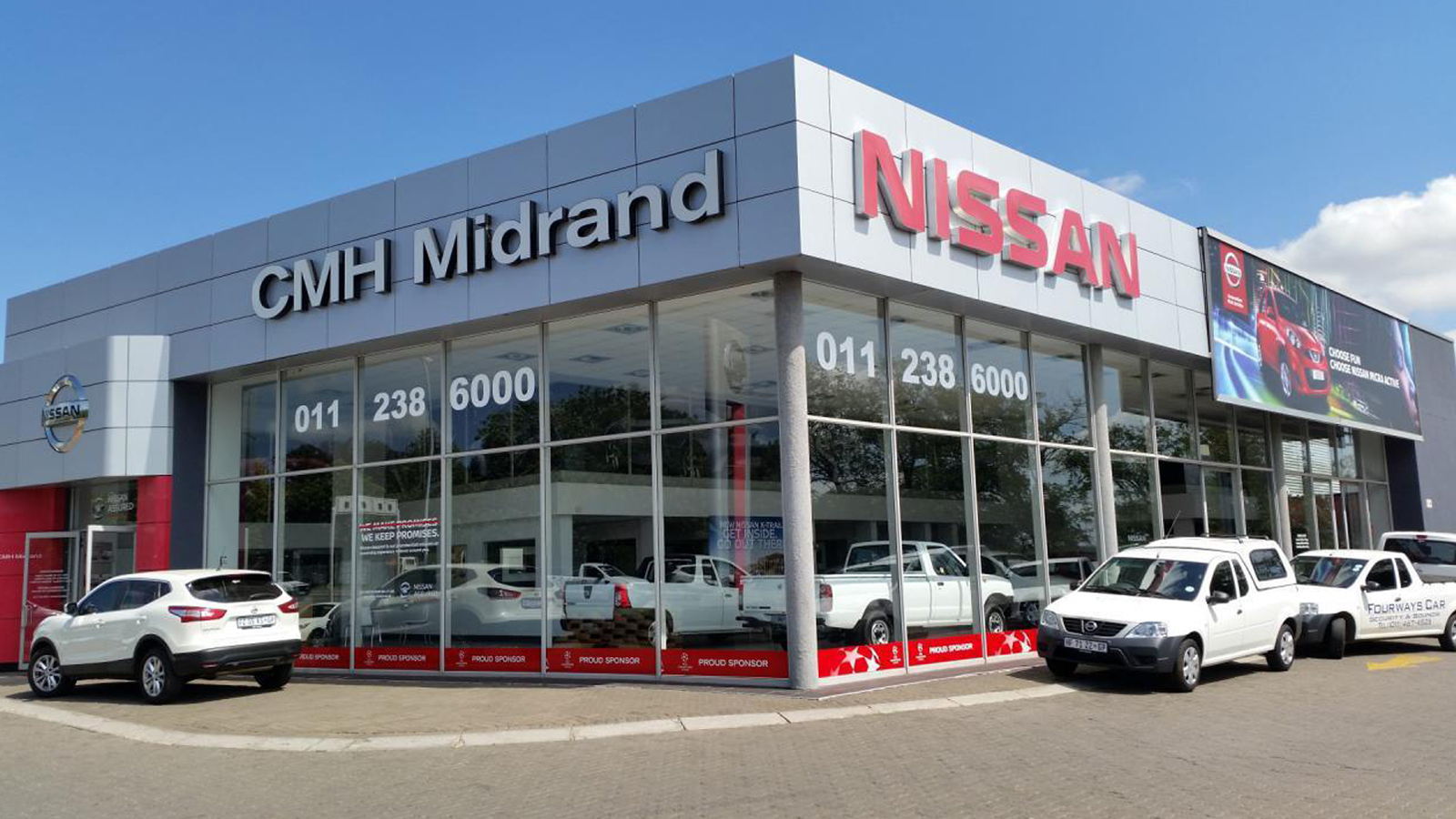
Last month, major local automotive retailer Combined Motor Holdings (CMH) announced it would buy 13 dealership properties from three of its executive directors for R745 million.
By purchasing the properties, it will reduce its lease and eliminate rental payments on the acquired assets, which it said will positively influence its earnings.
In the same month, Volvo also announced that it would expand its retail footprint in South Africa by opening a new dealership in Cape Town.
The Swedish carmaker is part of the Super Group Dealership and announced it has plans to strengthen its presence in South Africa with a new retail hub at Century City.
While CMH Group, Motus, and other larger dealers continue to invest heavily in their local growth, small, independent dealers are struggling to get by.
This is according to Thembinkosi Pantsi, Vice Chairperson of the National Automobile Dealers’ Association, who warned that these businesses are struggling to survive in South Africa.
“Smaller independent dealers are under severe pressure in terms of the margin squeeze that we’re seeing in the industry. Customer footfall is not where we’d like it to be, and overheads remain high,” he said.
Pantsi said that unlike large dealer groups, independent dealerships lack financial reserves to adjust their business strategy to changing market conditions.
He added that although new vehicles have been on the rise for over a year, this needs to be contextualised since consumers have shifted the way they buy cars.
“People no longer walk into dealerships. They do their research online. They know exactly what they want, sometimes right down to the specs and price, before they even engage with a dealer,” he said.
The result is improved performance for online platforms like AutoTrader, WeBuyCars, and Weelee, while smaller outlets that rely on walk-in customers struggle.



 Loading ...