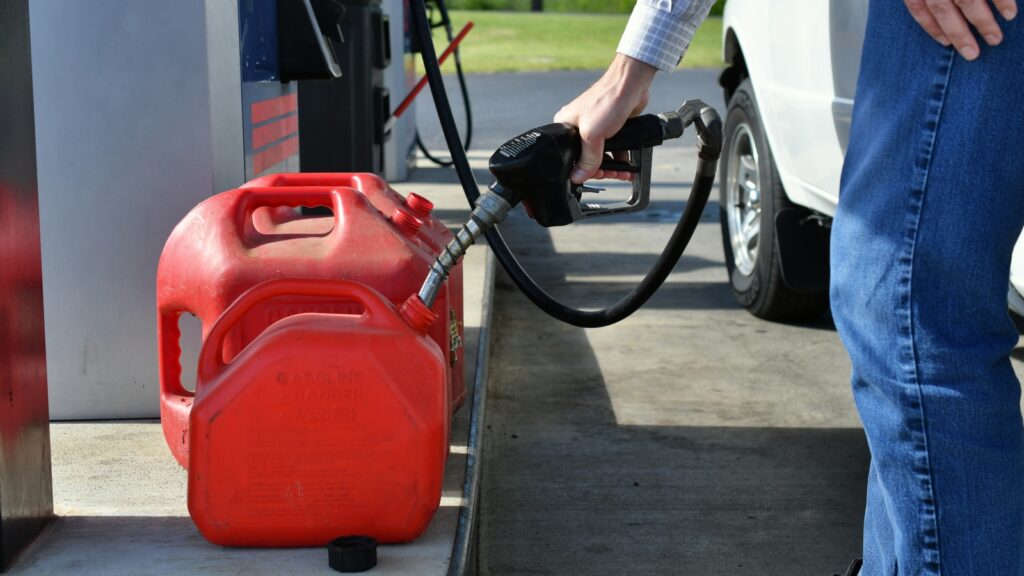
With petrol prices expected to reach record-high levels in October, many motorists may be tempted to store large quantities of fuel at home, but have been warned not to.
Petrol prices are already 26% higher than at the start of the year, putting severe pressure on household budgets and having a widespread effect on the local economy.
This trend is expected to continue, with petrol and diesel prices expected to increase by more than R2 per litre next month, considering the latest under-recovery data from the Central Energy Fund (CEF).
If market conditions remain unchanged throughout September, inland motorists can expect to spend up to R29.06 per litre for 95-octane petrol, and R32.09 per litre of 0.005% diesel.
In anticipation of these record-high prices, many motorists may turn to stockpiling large stores of petrol or diesel to mitigate the effect on their wallets, which may be a bad idea.
According to PSG Insure, improperly storing fuel can create serious safety risks that could even affect insurance claims.
Ryno de Kock, Head of Distribution at PSG Insure, warned that stockpiling large quantities of fuel at residential properties may pose dangers that homeowners and motorists underestimate.
He added that many homeowners may not realise that storing fuel at residential properties is subject to specific guidelines.
“These requirements are designed to reduce the risk of accidental fires, spills and other incidents that could endanger people and property,” said De Kock.
Because fuel is inherently hazardous, storing petrol or diesel incorrectly – in unsuitable containers or in excessive quantities, for example – can significantly increase the risk of fires, explosions, leaks and environmental damage.
According to De Kock, failing to comply with the applicable regulations and insurance requirements could affect insurance cover and the way an insurer would assess a claim following an insured incident.
The insurance implications
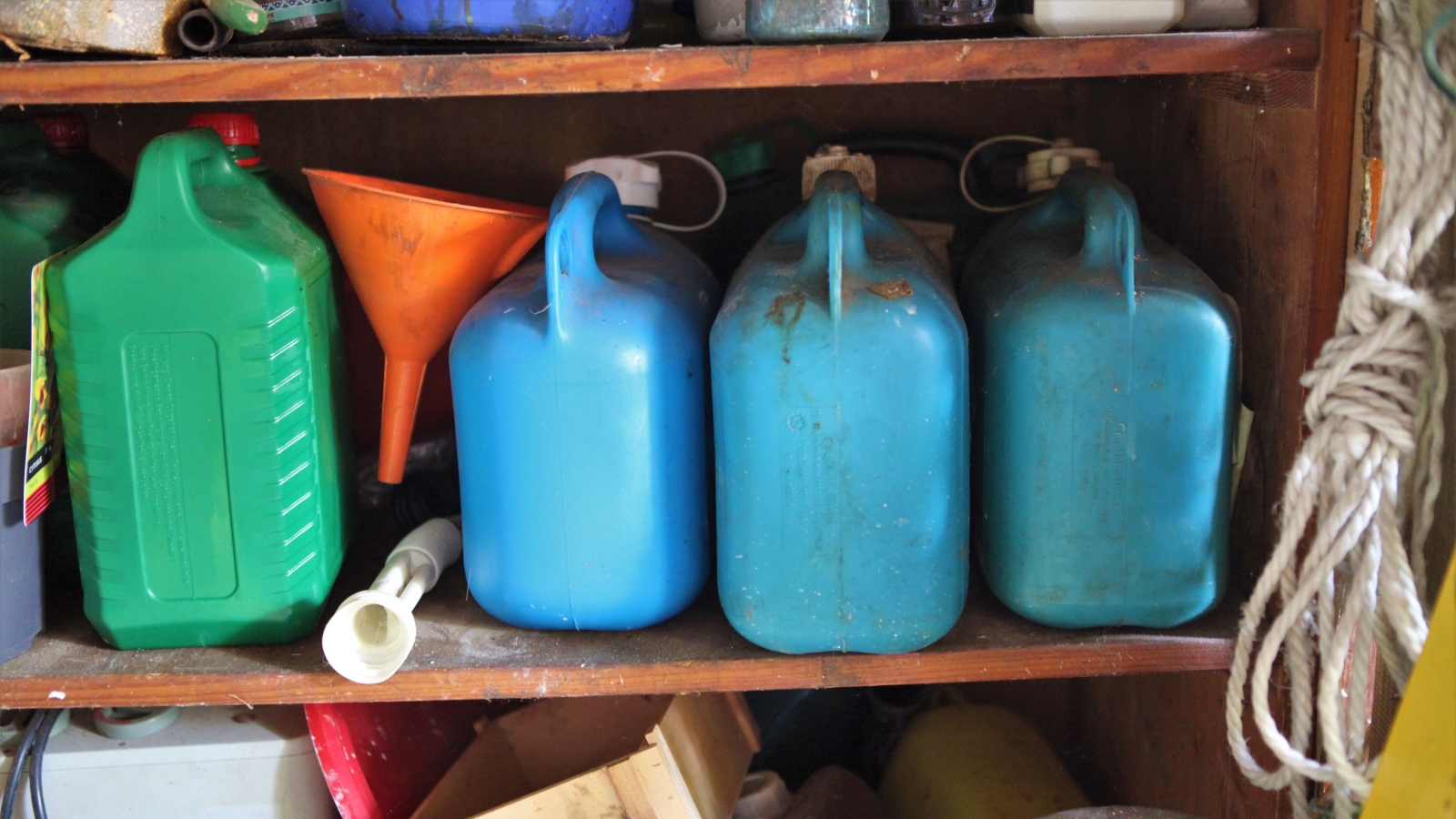
According to the South African Insurance Association (SAIA), generally no more than 25 litres of fuel or other flammable liquids may be stored at a residential property.
If someone decides to store fuel at home, it should be kept in secure, well-ventilated containers, and stored in a way that reduces the risk of ignition, leakage and contamination.
“Property owners should also ensure compliance with municipal by-laws, occupational health and safety requirements, and relevant building regulations,” said De Kock.
“While these measures may seem straightforward, overlooking even a small detail can substantially increase both safety and insurance-related risks.”
For businesses, the rules are a bit different, since they may need to store much larger quantities of fuel for operational purposes.
According to De Kock, there are generally no fixed limits on the amount of fuel businesses can keep, provided they meet their insurer’s underwriting requirements and comply with applicable regulations and safety standards.
He added that businesses need to ensure that their fuel storage facilities are designed correctly, as well as properly maintained and operated, with methods in place to prevent spills and fires.
Requirements may even change depending on where a business operates, since different municipalities enforce different bylaws based on their jurisdiction.
De Kock noted that while stockpiling fuel may seem to be a sensible precaution in periods of uncertainty, homeowners and businesses should consider the safety and insurance implications.
“Before increasing fuel storage volumes, it is best to speak to your insurance adviser to confirm the requirements applicable to your policy and insurer,” he advised.






 Loading ...