The historic 281-year-old town in South Africa that refuses to get traffic lights


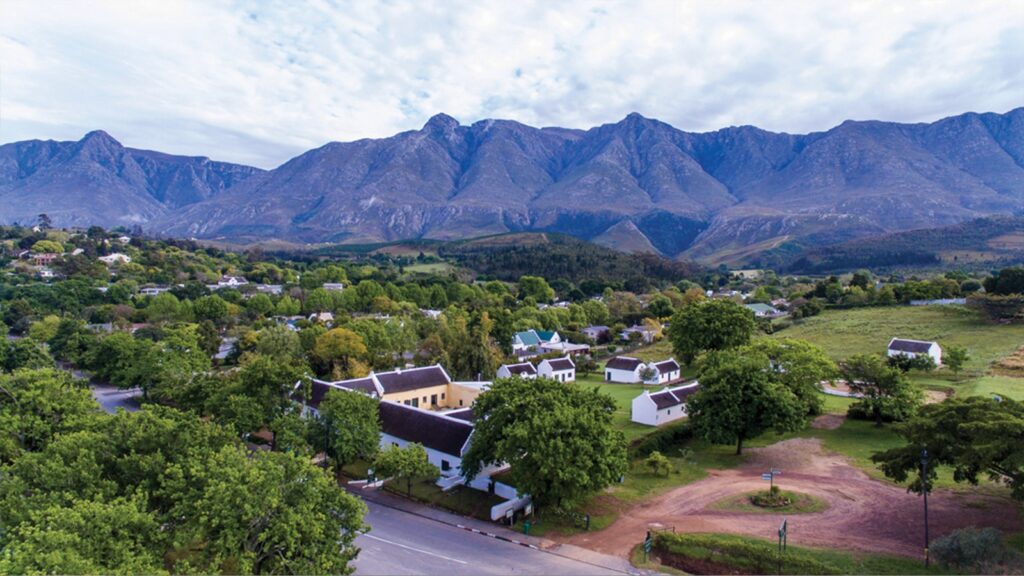
Swellendam is the third-oldest town in South Africa after Cape Town and Stellenbosch, and refuses to install traffic lights as it clings to its nearly 300-year-old heritage.
The town is located approximately 220km from both Cape Town and George, built on the foothills of the Langeberg Mountains, and serves as the starting point of the iconic Garden Route.
Before European settlement, the region was home to the indigenous Khoikhoi, specifically the Hessequa people, who lived and traded along the Breede River.
When the Dutch East India Company established its replenishment station at the Cape in 1652, trade continued inland to Swellendam.
In 1743, the area was declared a magisterial district, the third-oldest in South Africa, and named for Governor Hendrik Swellengrebel, the first South African-born Governor, and his wife, Helena Ten Damme.
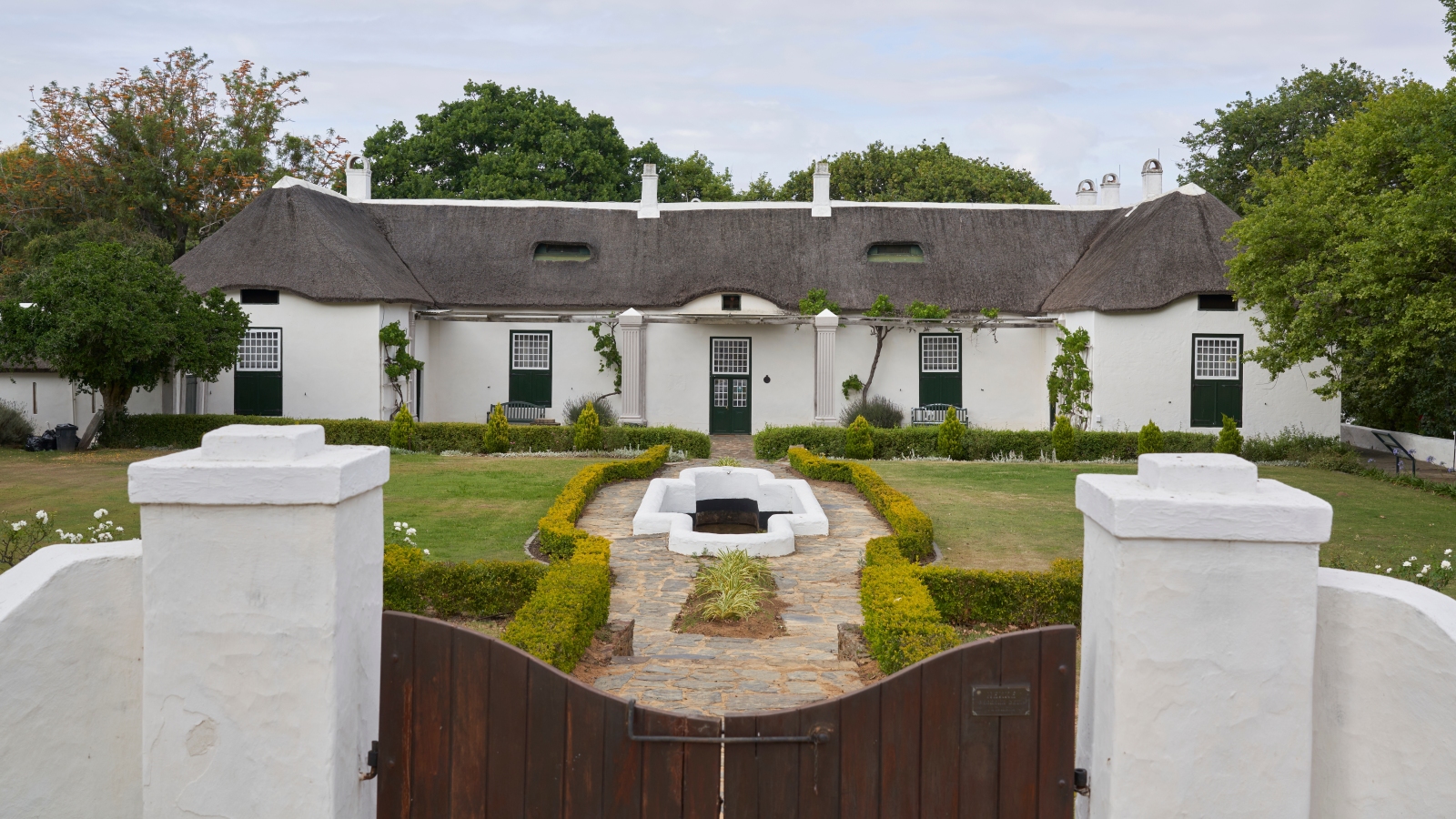
By 1745, a village was established beyond the Drostdy – the residence and seat of the local magistrate – where artisans and traders settled, and Swellendam became the last Dutch outpost on the eastern frontier.
On 17 June 1795, local inhabitants expressed their dissatisfaction with Dutch rule at the Cape and issued a Unilateral Declaration of Independence (UDI).
The rebels called themselves ‘national burghers’ after the French Revolution, and elected Hermanus Steyn as their President.
British forces seizing the Cape in November 1795 ended the short-lived Republic of Swellendam, and led to the arrival of more British settlers in the early 19th century.
As a result, the Overberg area boomed, and Swellendam became the base of the mercantile empire of Joseph Barry’s Barry and Nephews, which dominated trade in the area until 1865.
In that year, Barry’s mercantile empire went bankrupt because of the broader Cape recession, and a devastating fire also swept through Swellendam, destroying much of the town.
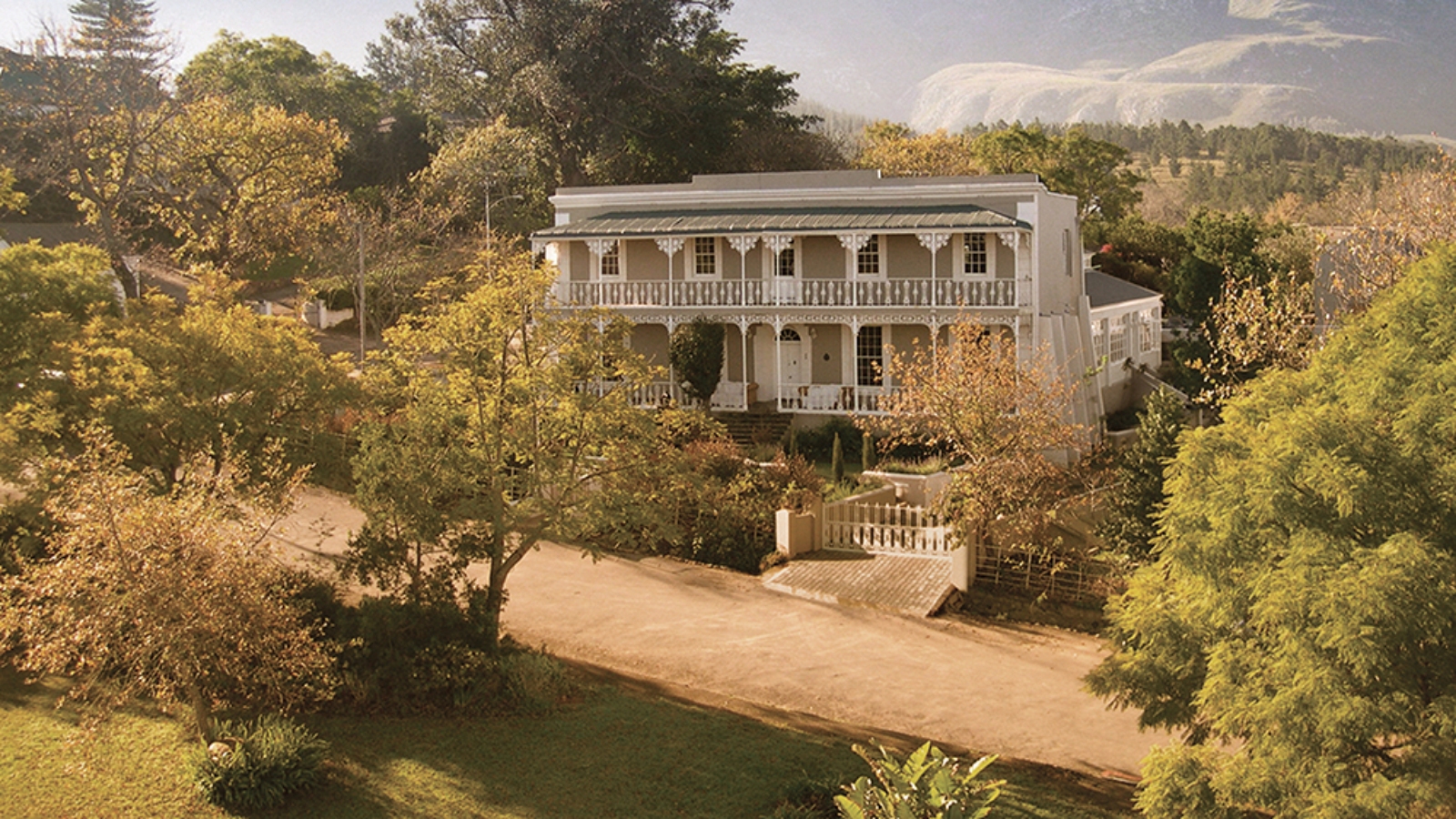
Swellendam was rebuilt, incorporating more Victorian architectural elements, but its economic dominance was permanently broken, especially after the new national railway line initially bypassed the town.
Today, the town remains an agricultural area and is a highly popular tourist destination, as it did not rapidly industrialise and managed to preserve its historical footprint.
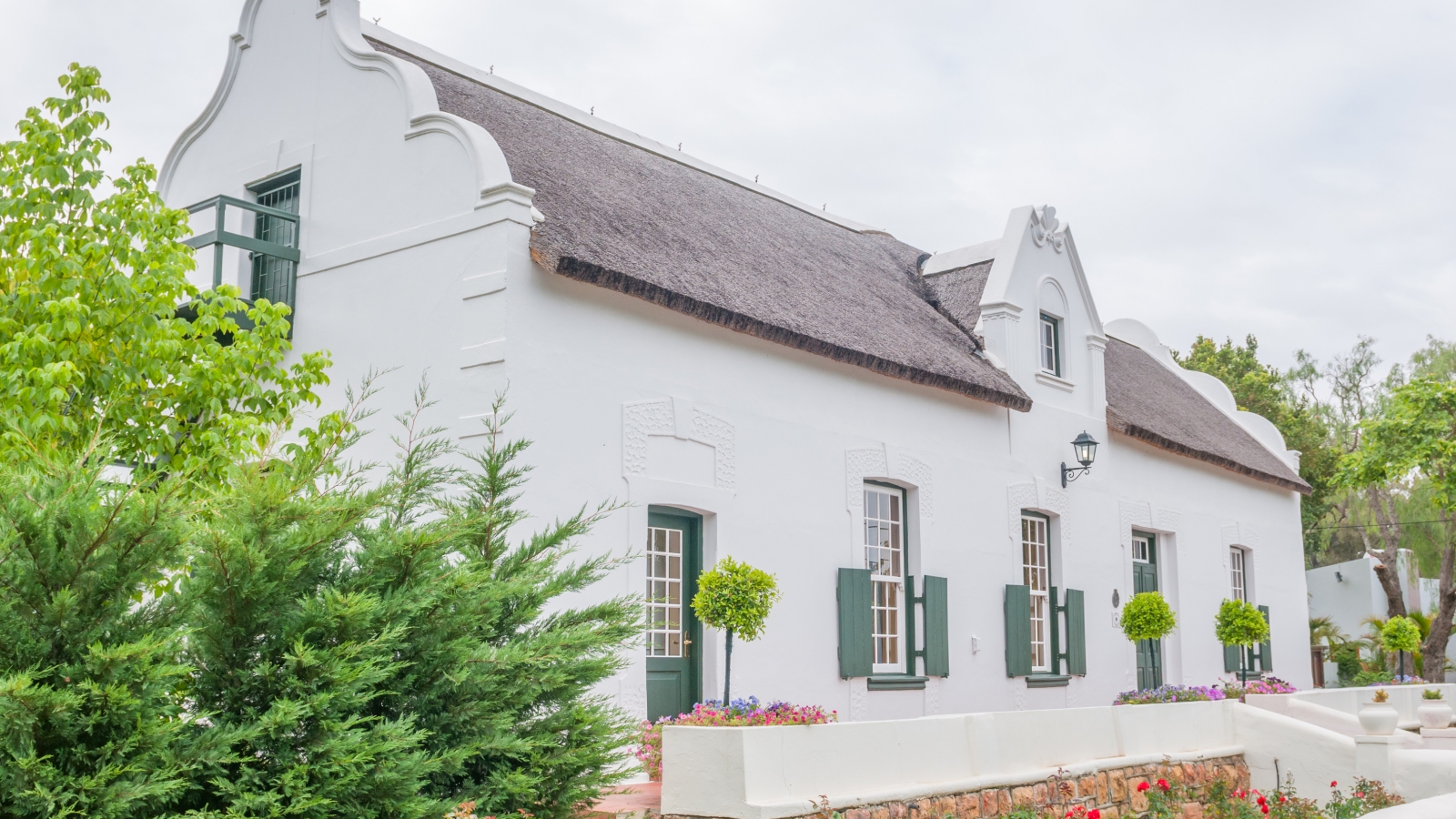
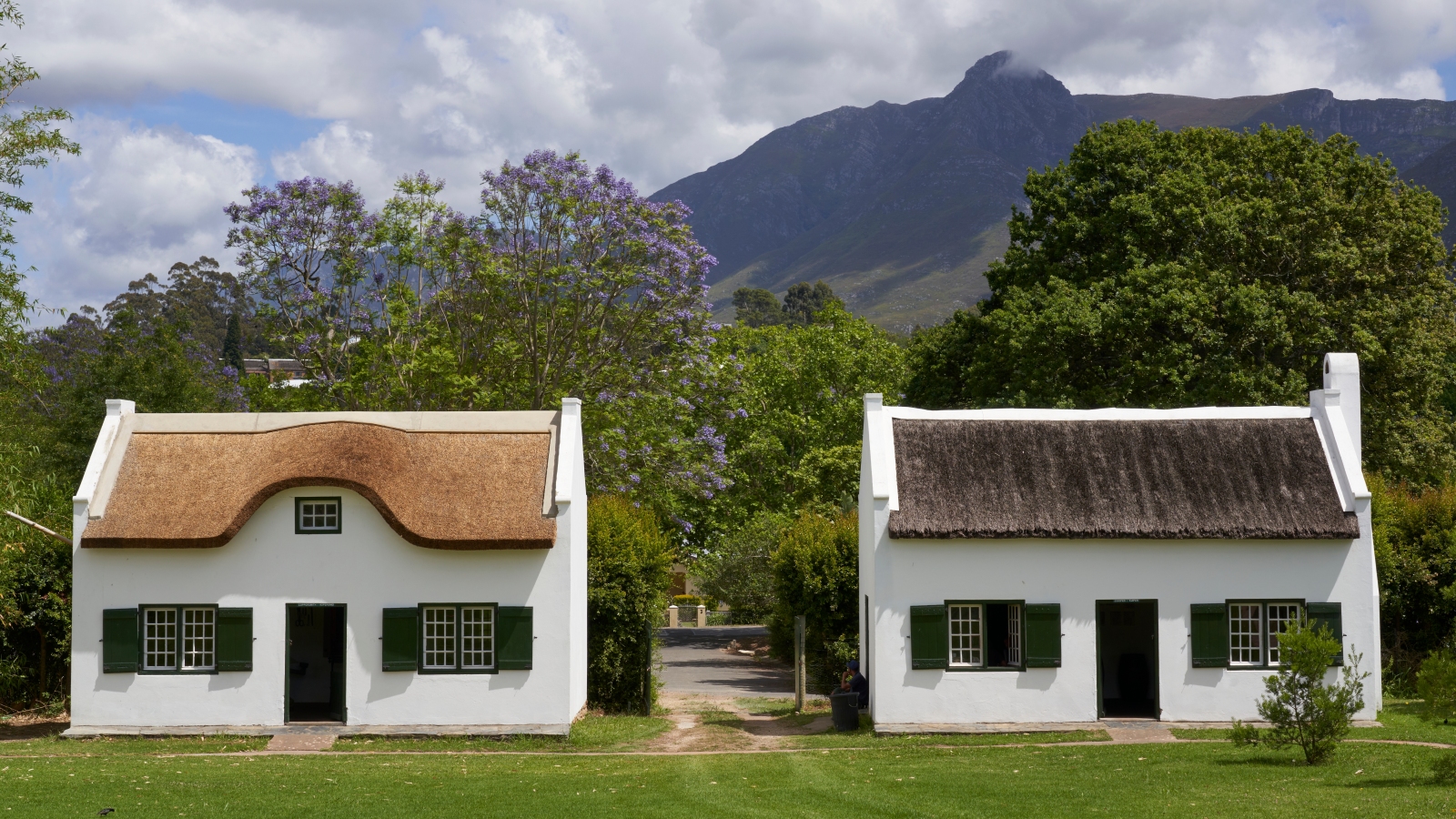
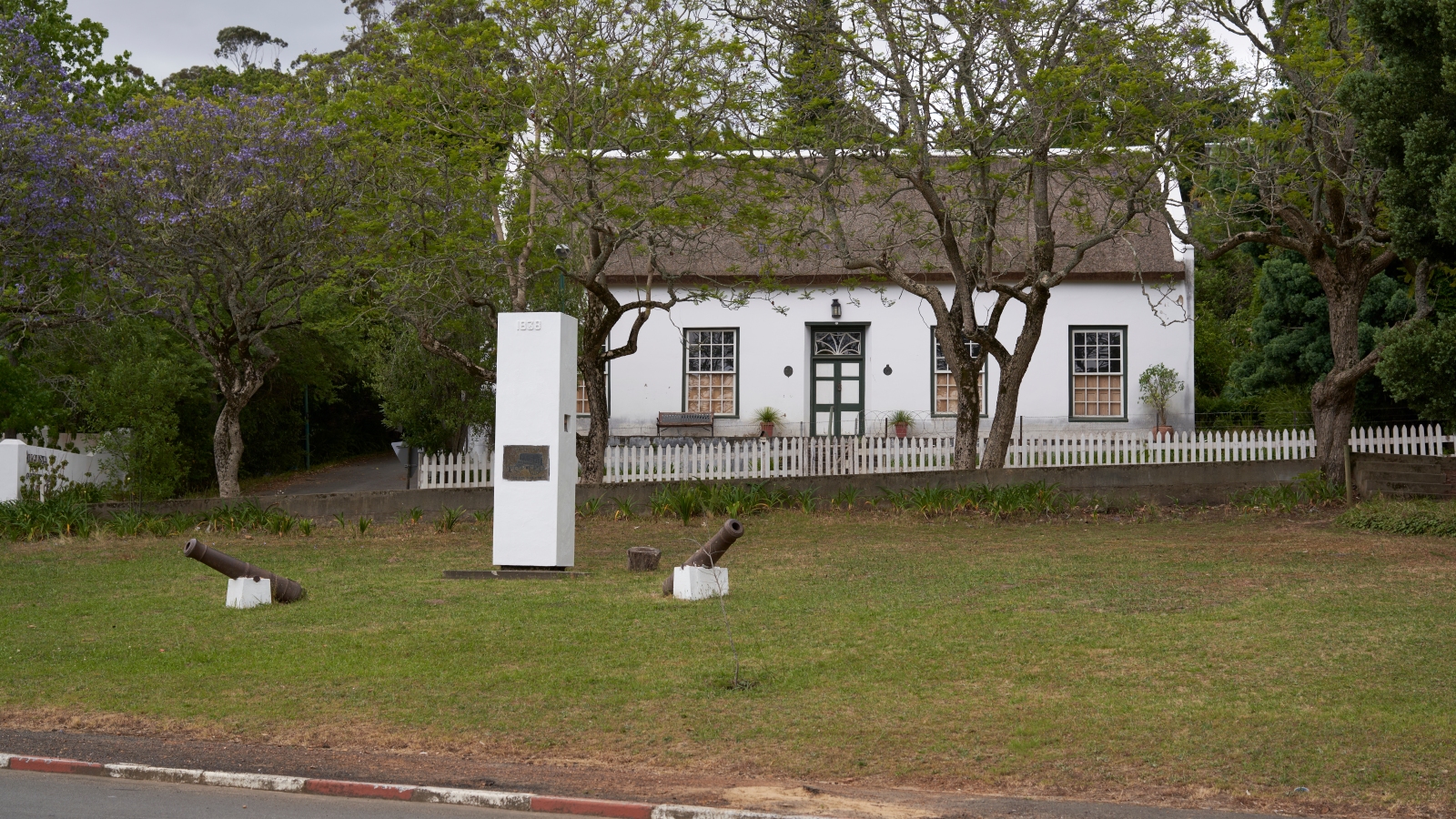
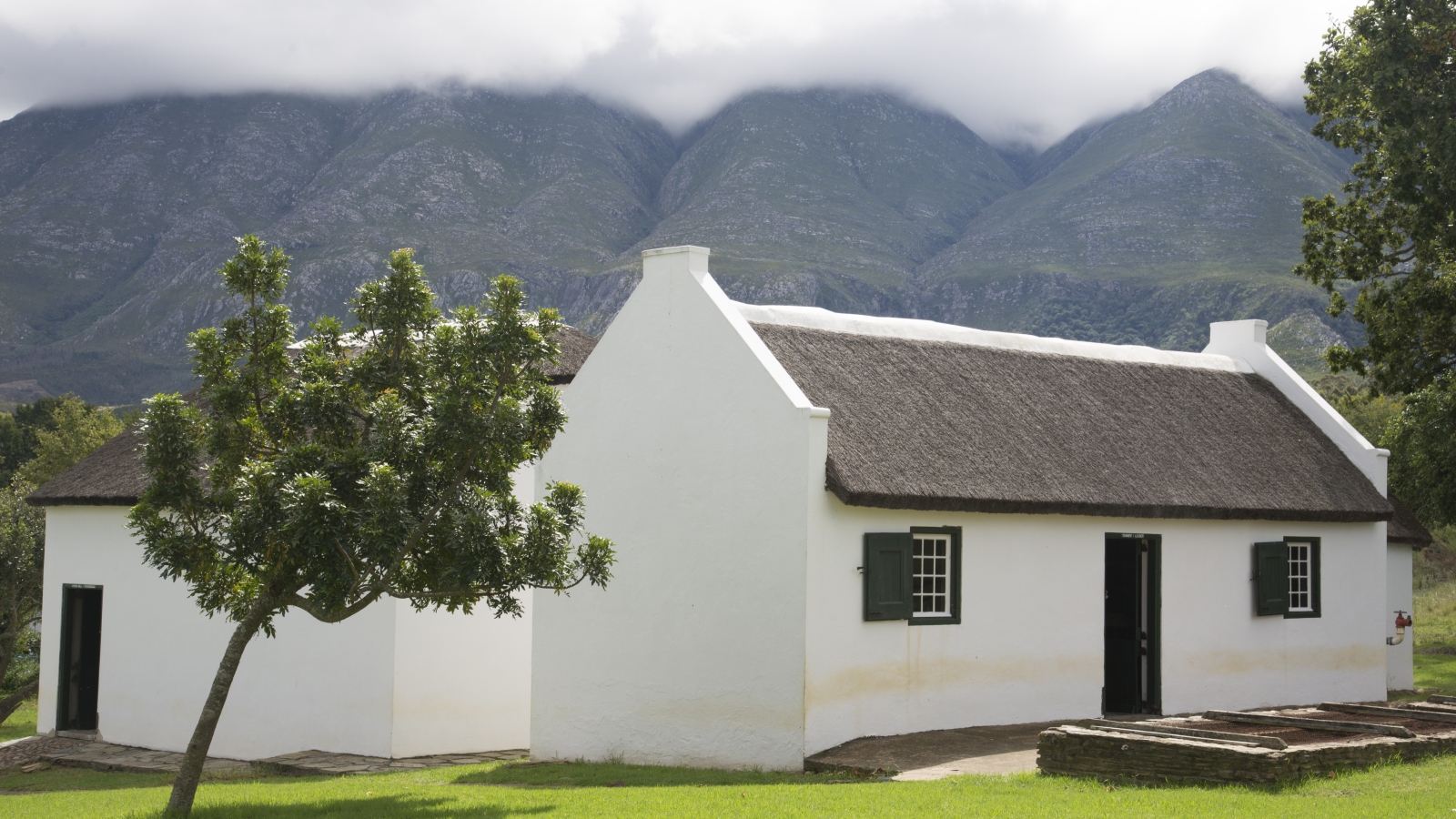
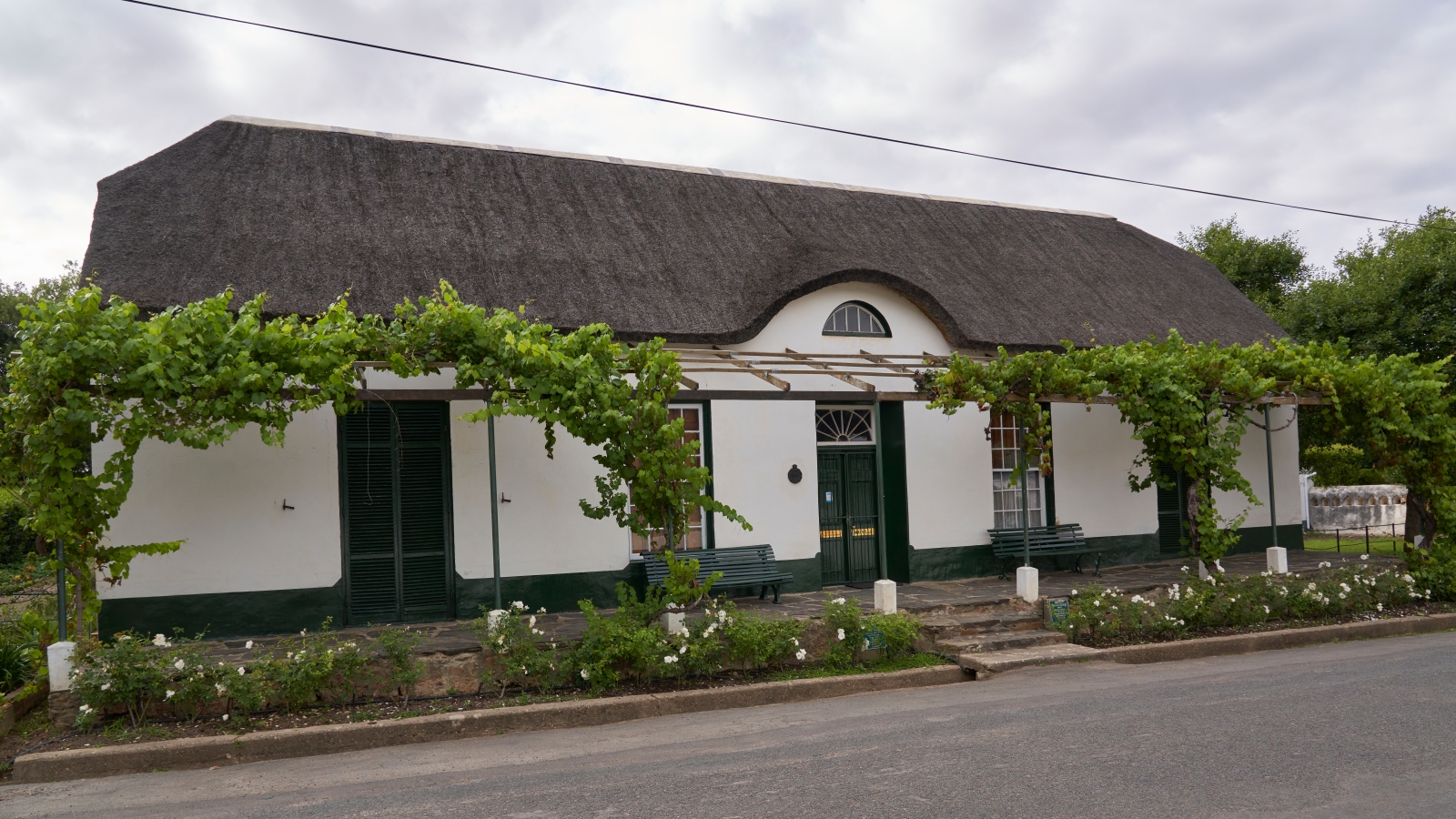
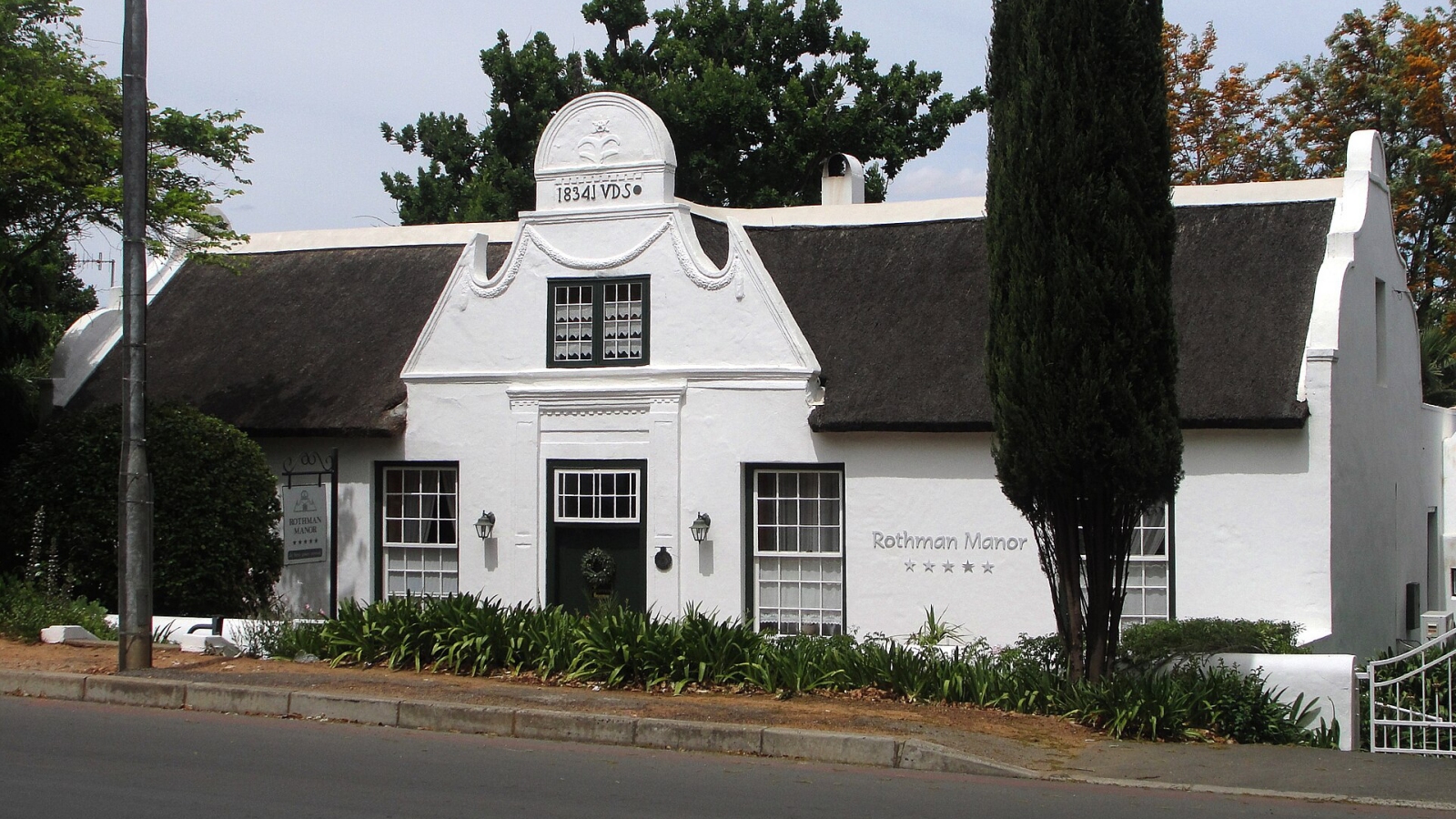
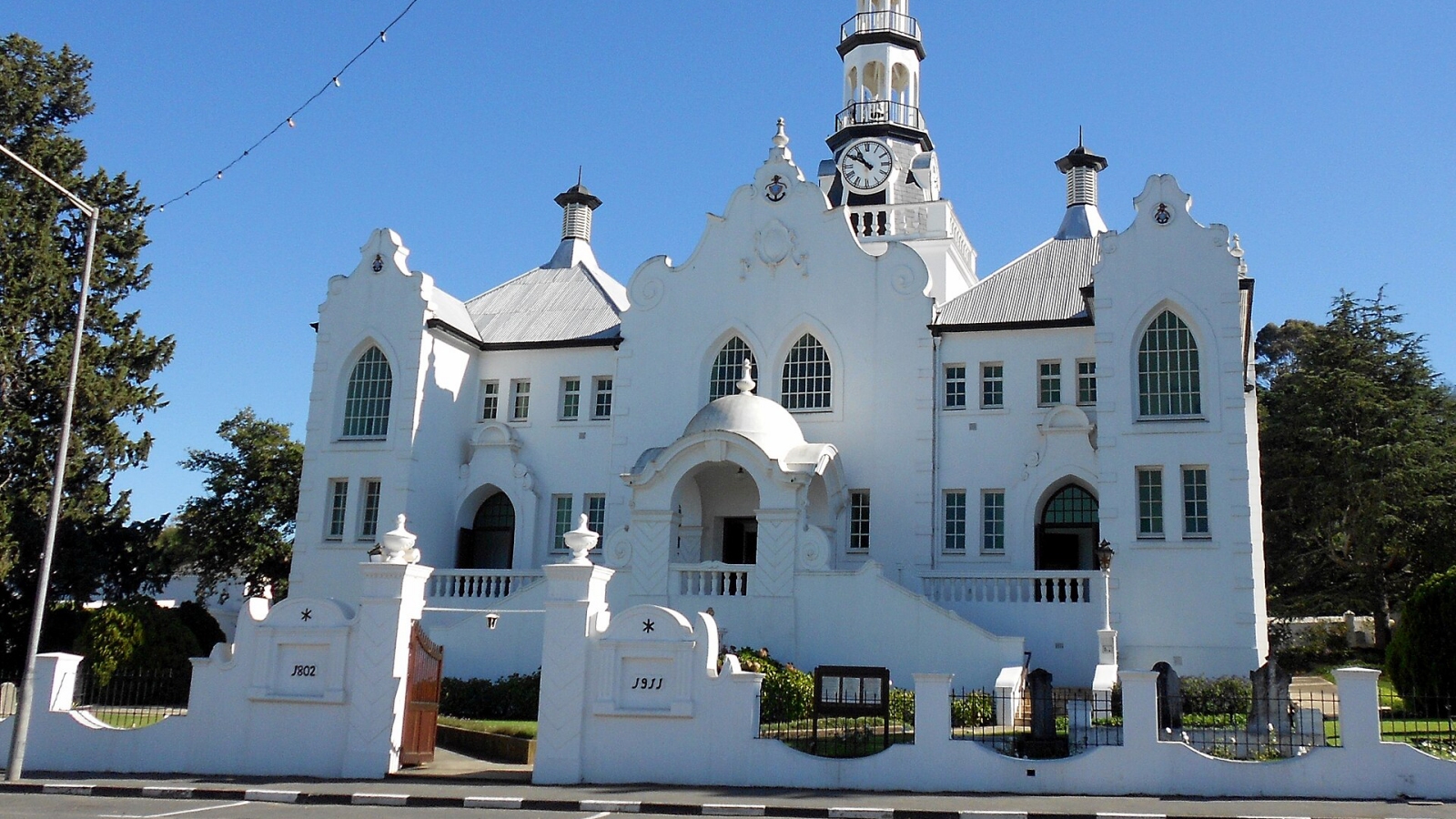
The town has over 50 provincial heritage sites, most of them built in Cape Dutch architecture.
A town without traffic lights
Before traffic lights were introduced in South Africa, traffic officers managed intersections in major cities manually using whistles, hand signals, and basic signage to guide vehicles and pedestrians.
However, when the number of vehicles on the country’s roads increased during the early 20th century, these methods became insufficient.
Johannesburg received the first traffic lights in the 1920s, with engineers adapting international designs to suit South African conditions.
The country transitioned from manually operated traffic light systems to fully automated traffic lights by the 1960s.
This was the case for most towns and cities in South Africa, with Swellendam being one of the exceptions, primarily because of the town’s layout, moderate vehicle volume, cost efficiency, and historical identity.
High-speed, heavy intercity traffic travels along the N2 highway, which runs along the town’s southern perimeter.
Because freight and long-distance commuters bypass the town centre entirely, local streets only need to support internal traffic.
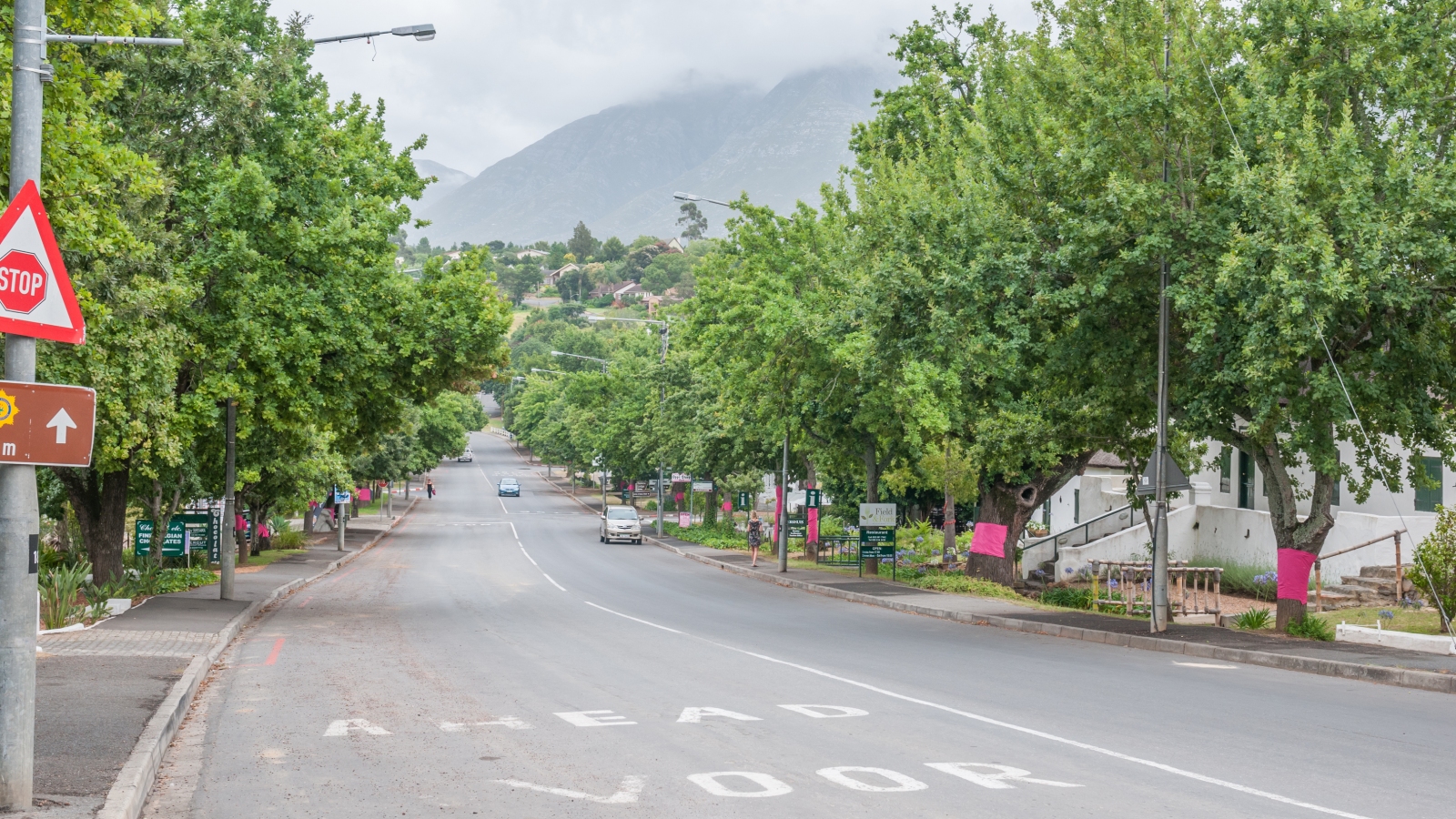
Main thoroughfares like Voortrek Street are long, linear corridors, so traffic naturally distributes across routes rather than bottlenecking at single high-volume intersections.
The town also uses low-tech infrastructure like roundabouts and two- and four-way stops to keep vehicles moving without traffic lights requiring electricity, maintenance, and periodic replacement.
Relying on roundabouts and stop signs eliminates municipal electricity costs and keeps traffic moving smoothly during power outages or load shedding.
Finally, the biggest motivation to keep the town traffic light-free is its rural identity, as maintaining a quiet, small-town atmosphere free from urban traffic infrastructure is an intentional selling point for local tourism and heritage preservation.
Swellendam and its historic buildings





 Loading ...