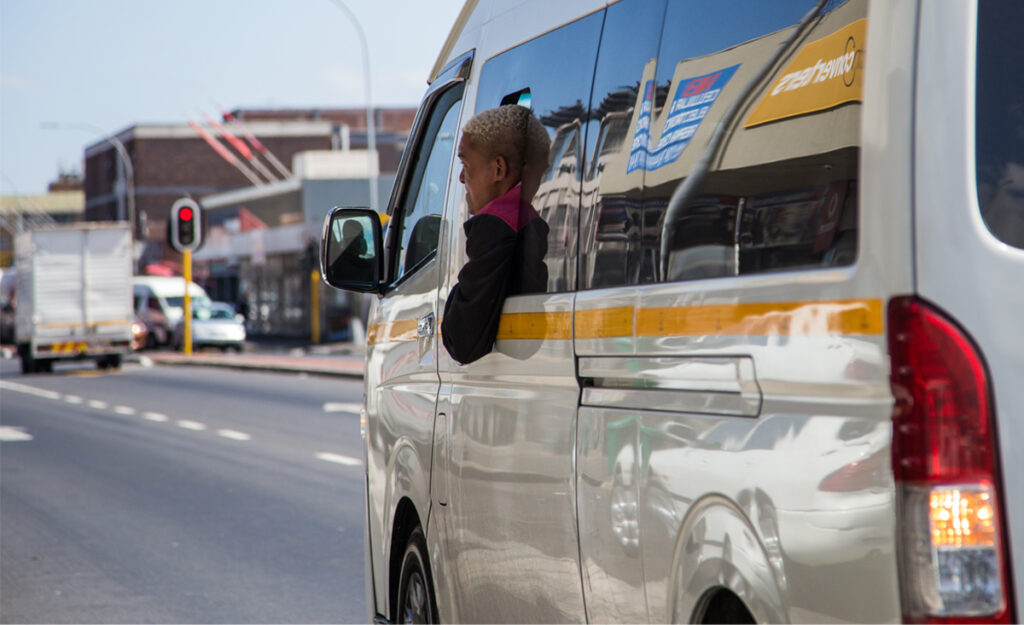
Minibus taxi drivers operating in South Africa typically earn between R5,000 and R8,000 per month, though this can greatly vary depending on passenger volumes, route profitability, and employment arrangements.
The minibus taxi industry is the single largest transport sector in South Africa, responsible for an estimated 60% to 70% of all daily commuter trips nationwide.
It generates approximately R100 billion in revenue per year and supports over 600,000 direct and indirect jobs, including drivers, mechanics, and informal traders.
There are roughly 130,000 registered minibus taxis on the road; however, the South African National Taxi Council (SANTACO) estimates that the actual number may exceed 200,000 once unofficial operators are factored in.
While the industry is regulated and must adhere to South African labour laws, including the minimum wage, maximum work hours, and overtime, the taxi sector suffers from a lack of enforcement and non-compliance.
Many operators work long hours while earning relatively little. This data is also difficult to track because the taxi industry primarily operates on informal cash transactions.
Most taxi drivers do not own their vehicles and work for an owner who is a member of the local taxi association.
These associations exist to manage the industry and delegate territory, which determines the routes taxi drivers are allowed to operate on.
At the national level, these associations are represented by groups such as SANTACO and the National Taxi Alliance.
Jobs are often little more than verbal agreements rather than formal employment contracts, and drivers are typically required to meet a daily or weekly revenue quota.
Depending on the arrangement, a driver may be required to earn R600 per day or R4,000 per week, with personal earnings derived from whatever they earn above their quota.
As a result, take-home earnings can vary greatly depending on the driver’s arrangement, location, route, and passenger volume.
Due to the immense pressure of the job, taxi drivers will overload their vehicles to carry as many passengers as possible and engage in reckless driving, such as running red lights, to save time and make more trips.
Some drivers are also expected to pay for their own fuel, while in other cases, the owner is responsible for fuel and maintenance.
According to job aggregator Indeed, the average taxi driver salary in South Africa in 2026 is R6,369 per month.
Keep in mind that this is an average, as some drivers have reported earning as little as R4,800 per month, while others working on lucrative commuter routes in major cities can earn over R15,000 per month.
This disparity in earnings is a key reason why violence frequently erupts between taxi associations, as drivers clash over control of the most profitable commuter routes, usually between townships and city centres.
Similarly, the taxi industry has clashed with the e-hailing sector multiple times in recent years, as taxi operators argue that apps like Bolt and Uber are unfair competition that infringes on their territory and steals their customers.
SARS wants to formalise the minibus taxi industry
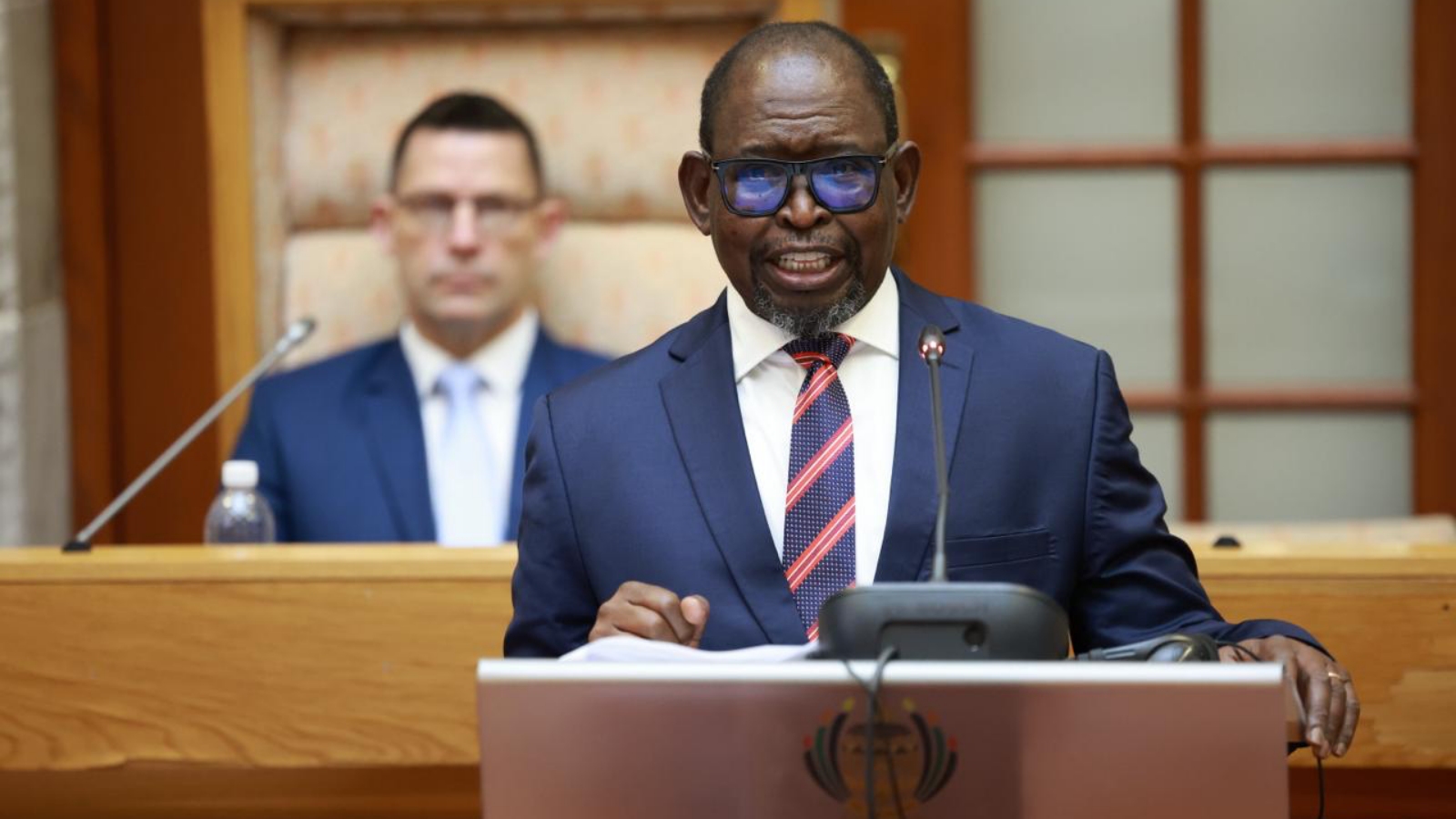
Earlier this year, Finance Minister Enoch Godongwana announced that the government plans to broaden the tax base by cracking down on South Africa’s informal economy.
This includes the taxi industry, which only pays around R5 million per year in tax despite generating over R100 billion per year.
Since the taxi sector is cash-based, the vast majority of taxi operators and owners do not declare corporate tax or payroll tax, according to the South African Revenue Service (SARS).
Under-declaring income and tax evasion are crimes under the Tax Administration Amendment Act, carrying a possible prison sentence of two years.
To address this issue, the minister explained that SARS is implementing measures to improve compliance.
“SARS continues to broaden the tax base by improving registration, filing and payment, where tax compliance remains low,” the minister said.
“This includes the informal economy and the taxi industry. SARS is also working to detect and respond to illicit financial flows and other forms of non-compliance.”
The revenue service said it is also focusing on helping businesses and taxi operators to register, understand their tax obligations, submit returns, and pay what is due through support, education, simpler processes, and risk-based action.





 Loading ...