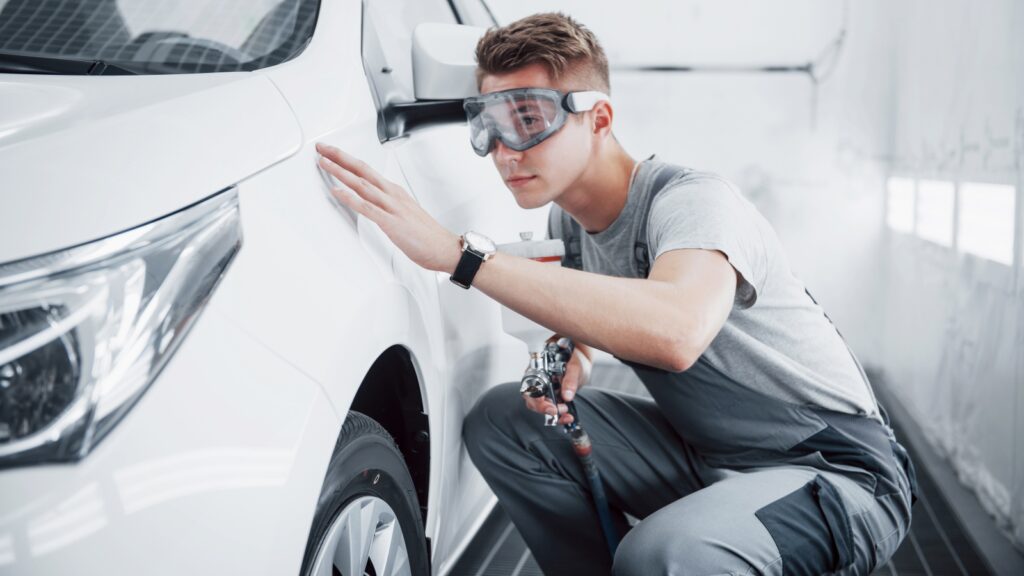
The automotive aftermarket, among other industries, is facing a critical skills shortage, with body repair training providers shutting their doors and leaving some provinces without any approved providers.
According to the South African Motor Body Repairers’ Association (SAMBRA), access to training remains one of the biggest barriers to developing the skilled artisans the industry needs.
Juan Hanekom, National Director of SAMBRA, explained that in the past there were 30 merSETA-approved training providers in South Africa, whereas today there are only 18 approved providers remaining.
He added that there is a particular shortage of providers for automobile spray painters, and that the situation has become dire.
“In Gauteng, KwaZulu-Natal and Mpumalanga there are no training providers at all, and this places undue stress on employers who would need to send employees to a different province in order to qualify,” said Hanekom.
To rectify the situation, SAMBRA, in association with the Retail Motor Industry Organisation (RMI), launched a hybrid training model designed to make apprentice training more accessible.
The pilot involved nine body shops and 16 panel beating and spray-painting apprentices, and following its success, SAMBRA plans to roll out the model nationally.
“The purpose of this pilot was to see whether a more flexible training model could help bridge that gap without compromising the quality of learning or the importance of practical workplace experience,” said Hanekom.
“Web-supplemented programmes give learners access to additional curriculum information between contact sessions, while print-based distance education provides another avenue for accessing learning material.”
He added that the model does not seek to replace practical workplace training or the role of an experienced mentor, since motor body repair is a practical industry.
“Apprentices need to develop their technical skills in a real body shop, under the guidance of people who understand the work and can transfer that knowledge and experience,” said Hanekom.
“South Africa needs more skilled artisans, not fewer, and we need training models that recognise the realities faced by employers and learners in different parts of the country.”
Vehicle repair is becoming more intricate in South Africa
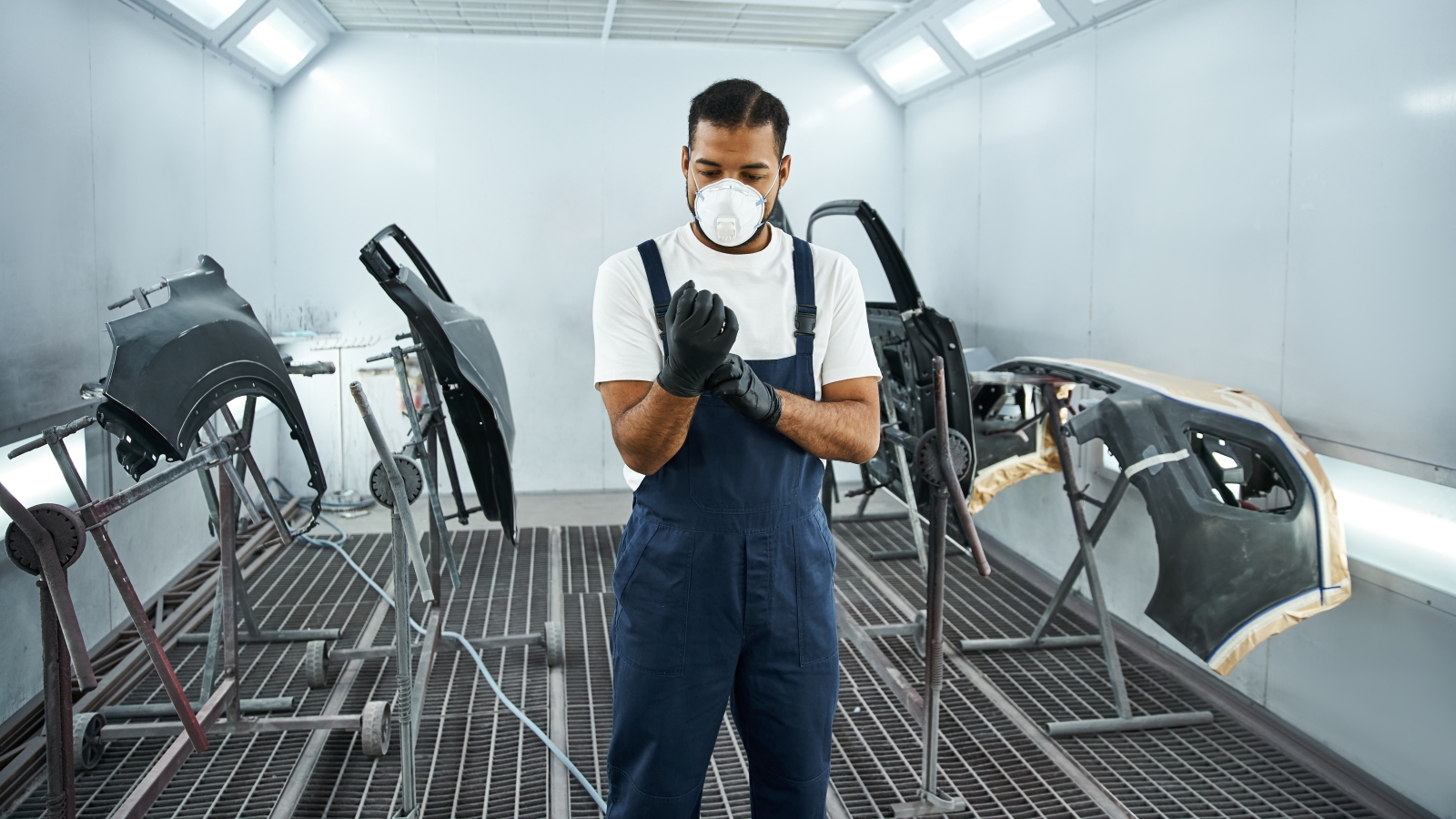
Hanekom previously explained that South Africa’s vehicle repair framework was originally developed in an era of limited brand representation and diversity and is not equipped to deal with the rise of new brands and imports.
He added that today’s expanding range of manufacturers each introduces their own unique repair methodologies, requirements, and approval criteria, placing increased strain on an unprepared vehicle repair ecosystem.
This challenge is also not limited to a single vehicle type, but instead affects petrol, diesel, hybrid and electric vehicles (EVs) alike.
“The reality is that repairability has become a broader issue across the entire automotive industry,” Hanekom explained.
“Modern vehicles are more sophisticated than ever before, and that complexity is changing the economics of collision repair.”
Today’s vehicles incorporate advanced driver assistance systems (ADAS), cameras, radar sensors, LED lighting, and lightweight materials that improve safety, but also increase repair costs.
Hanekom explained that what may appear to be minor collision damage could require replacement of complete assemblies rather than individual components.
This significantly impacts repair costs, insurance claims and a vehicle’s affordability, and electric vehicles have added another dimension to the conversation.
SAMBRA believes improving vehicle repairability in South Africa requires collaboration across the automotive value chain.
Repairers continue to invest in specialist training, high-voltage safety systems and advanced diagnostic capabilities, but require manufacturers and importers to support the local repair ecosystem.
“The industry is committed to keeping pace with new technology. The next challenge is ensuring that advances in vehicle design are matched by advances in repairability,” explained Hanekom.
“In the years ahead, repairability will become just as important as purchase price in determining the true affordability of vehicle ownership.”






 Loading ...