Cheap Chinese imports are hurting South Africa’s car workshops


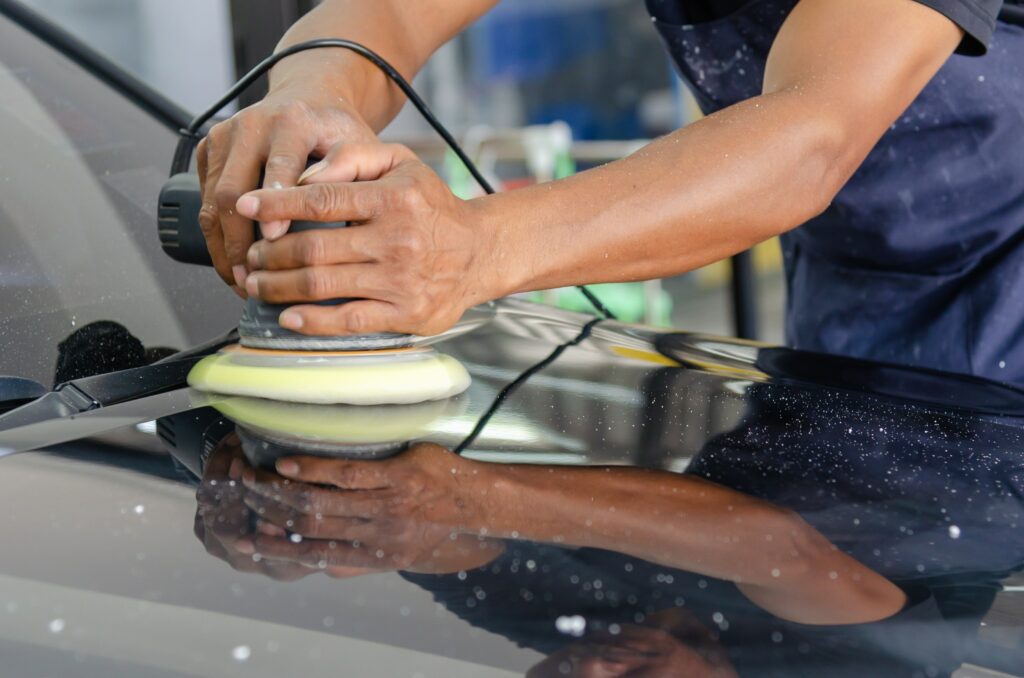
As cheap Chinese imports continue to make waves in South Africa’s automotive sector, the country’s automotive aftermarket workshops are struggling to make ends meet.
This is according to data from the Drive Motor Index, compiled by vehicle subscription company Drive.co.za using automotive sector information.
In its latest report, it found that the surge in vehicle purchases is specifically driven by an influx of competitively priced cars imported from countries in South-East Asia.
This growth has been enabled by a strong domestic currency and a lower cost of credit following interest rate cuts that began in late 2024.
The National Automobile Dealers’ Association (NADA) found that consumers have become more value-conscious, spending more time comparing total costs of car ownership, driving the transition to Chinese cars.
In the first quarter of 2026, new vehicle sales volumes surged 16.7% year-on-year and 2.0% quarter-on-quarter, maintaining this momentum in the second quarter with an annual increase of 12.3%, but a 6.7% quarter-on-quarter retraction.
This growth vastly outperformed sales figures for most other durable consumer goods and the broader national economy.
While new cars, and Chinese ones with extensive warranties and service plans in particular, are selling like hotcakes, secondary workshop markets experienced significant downturns.
First-quarter workshop income dropped 23.1% year-on-year and 3.3% quarter-on-quarter, falling further in the second quarter – 29.3% year-on-year and 4.2% quarter-on-quarter.
Not only has workshop income waned so far this year, but so has the overall aftermarket sector, which comprises accessories and parts.
According to the Drive.co.za index, vehicle accessory sales contracted 3.9% year-on-year in the first quarter of the year, followed by a year-on-year contraction of 8.1% in the second quarter.
Much of this boils down to the intricacy of repairs of new vehicles coming into our market, with Chinese cars often better-equipped and more difficult to repair as a result of advanced driver assistance systems (ADAS).
South Africans cannot afford to service their cars

While all South Africans face mounting financial pressure, motorists are feeling the combined crunch of higher fuel prices, higher interest rates, and increased maintenance costs.
According to the South African Motor Body Repairers’ Association (SAMBRA), the result is motorists deferring maintenance and others considering repairability and repair costs in their affordability calculations.
SAMBRA National Director Juan Hanekom said that the challenge is not limited to a single vehicle type, but affects petrol, diesel, hybrid and electric vehicles (EVs) alike.
“The reality is that repairability has become a broader issue across the entire automotive industry,” he explained.
“Modern vehicles are more sophisticated than ever before, and that complexity is changing the economics of collision repair.”
Modern vehicles, especially those coming from China, incorporate advanced driver assistance systems (ADAS), cameras, radar sensors, LED lighting, and lightweight materials that improve safety, but also increase repair costs.
As a result, what could have been minor collision damage may require replacing complete assemblies rather than individual components.
Ultimately, this significantly impacts repair costs, insurance claims, and a vehicle’s affordability, and now, electric vehicles have added another dimension to the conversation.
“Following a collision, the battery must first be safely isolated, inspected and assessed using manufacturer-approved procedures,” explained Hanekom.
“Only where damage is confirmed, or the battery’s integrity cannot be verified, does replacement become necessary.”
He added that repairability deserves more attention from manufacturers, insurers and policymakers as vehicle technology continues to evolve.
“Consumers increasingly consider fuel economy, safety ratings and purchase price when choosing a vehicle,” he said.
“Repairability should become part of that conversation because it directly influences the total cost of ownership over the life of the vehicle.”



 Loading ...