
South Africans can no longer afford to service their cars


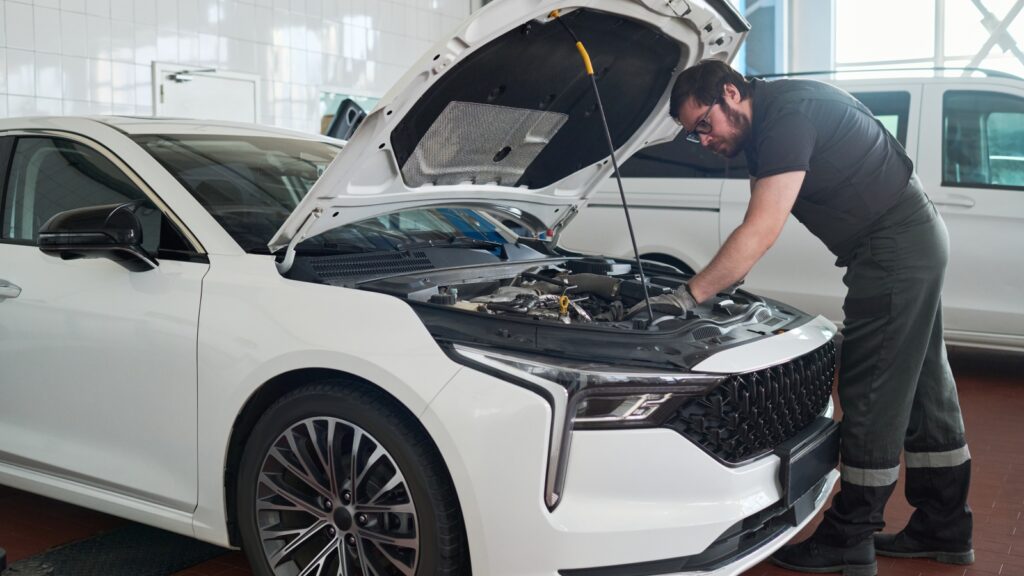
While all South Africans face mounting financial pressure, motorists are feeling the combined crunch of higher fuel prices, higher interest rates, and increased maintenance costs, forcing many to defer maintenance.
The result is a 6.6% year-on-year decline in real workshop income, highlighting the structural shift in how South African motorists manage their vehicle maintenance under economic pressure.
According to Statistics South Africa (Stats SA), there is a major difference between how much motorists are currently spending on preventative car maintenance and the actual amount of repair work performed.
The national statistics department’s data for 2026 shows that, at current prices, workshop sales grew by 0.6% year-on-year in June 2026, bringing in R2.647 million.
However, once inflation is stripped away to show the physical volume of work completed, considering constant 2019 prices, workshop income actually fell by 6.6% to R1.971 million.
The takeaway is that workshops are charging more due to operational and parts inflation – which means consumers are spending slightly more overall – but are serving fewer actual monthly customers.
The 6.6% drop in June is also not an isolated bad month, but rather part of a severe, prolonged decline in vehicle servicing that has persisted since late 2025.
The year started with a 10% decline year-on-year, which remained until a slight 2.5% increase in car maintenance real income was recorded in March, before the trend returned to normal in April, May, and June.
Zooming out to look at quarterly performance, real workshop income in the second quarter of 2026 was 7.4% lower than in the first quarter, falling from R6.293 million to R5.825 million.
This highlights a rapid and worsening slump in vehicle upkeep as the year has progressed, as motorists are financially squeezed from every angle.
This sustained slump suggests South Africans are actively deferring preventative car maintenance like major services to avoid high dealership workshop fees.
New car tech is making repairs unaffordable
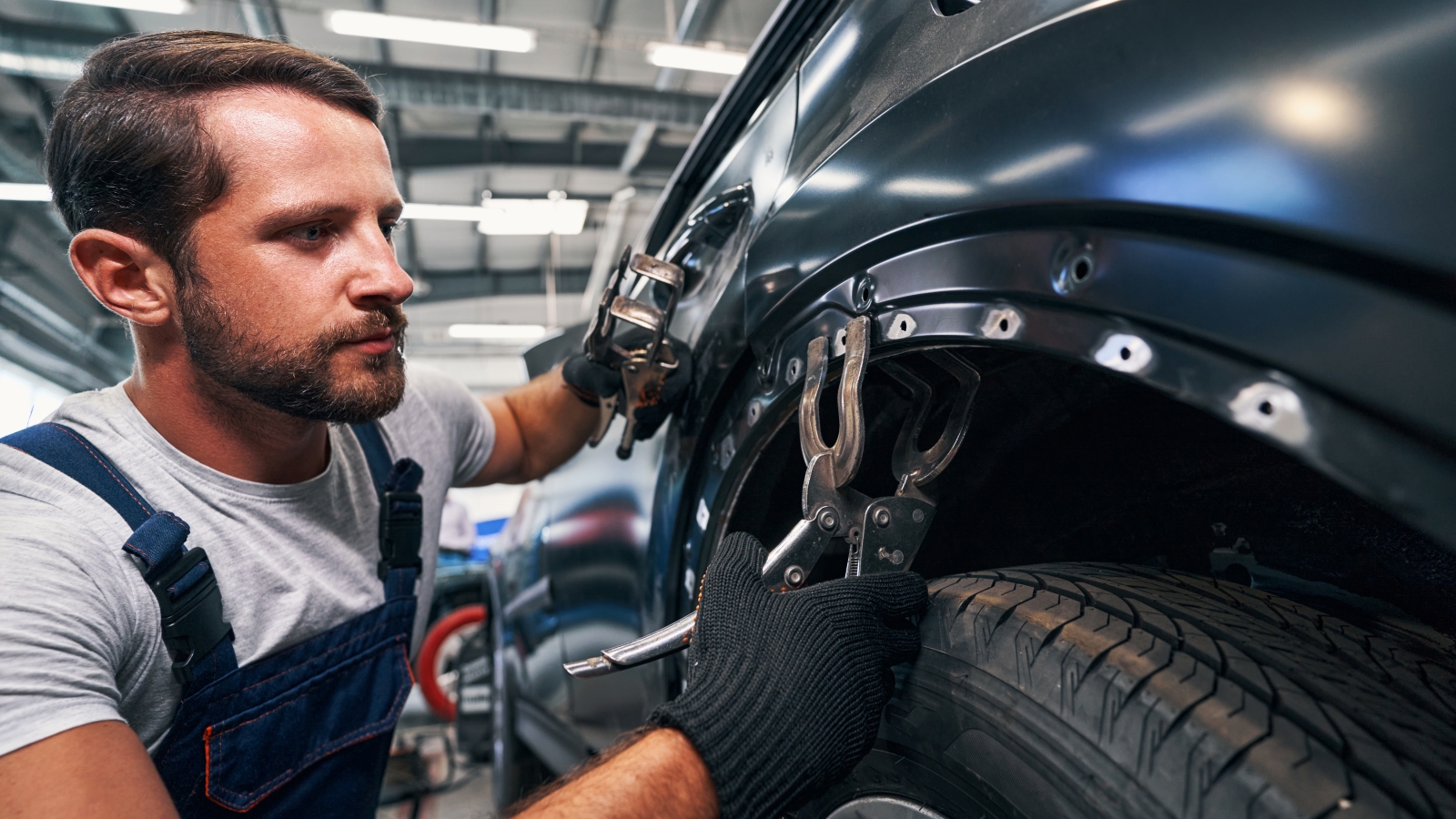
According to the South African Motor Body Repairers’ Association (SAMBRA), motorists are starting to consider repairability and repair costs in their affordability calculations.
SAMBRA National Director Juan Hanekom noted that the challenge is not limited to a single vehicle type, but affects petrol, diesel, hybrid and electric vehicles (EVs) alike.
“The reality is that repairability has become a broader issue across the entire automotive industry,” he explained.
“Modern vehicles are more sophisticated than ever before, and that complexity is changing the economics of collision repair.”
Modern vehicles incorporate advanced driver assistance systems (ADAS), cameras, radar sensors, LED lighting, and lightweight materials that improve safety, but also increase repair costs.
As a result, what may appear to be minor collision damage could require replacement of complete assemblies rather than individual components.
Ultimately, this significantly impacts repair costs, insurance claims, and a vehicle’s affordability, and electric vehicles have added another dimension to the conversation.
“Following a collision, the battery must first be safely isolated, inspected and assessed using manufacturer-approved procedures,” explained Hanekom.
“Only where damage is confirmed, or the battery’s integrity cannot be verified, does replacement become necessary.”
However, because of an EV’s battery’s value, it can significantly influence whether a vehicle remains economically repairable, highlighting the distinction between technical repairability and economic repairability.
Hanekom noted that repairability deserves more attention from manufacturers, insurers and policymakers as vehicle technology continues to evolve.
“Consumers increasingly consider fuel economy, safety ratings and purchase price when choosing a vehicle,” he said.
“Repairability should become part of that conversation because it directly influences the total cost of ownership over the life of the vehicle.”




 Loading ...
-2026.10.webp)


-2026.10.webp)
Conversation
1 commentsBecause of the excessive charges of the repair shops. Aslo like I have experienced they wanted to replace my front brakes, but I refuse and 40000km later it is still fine.