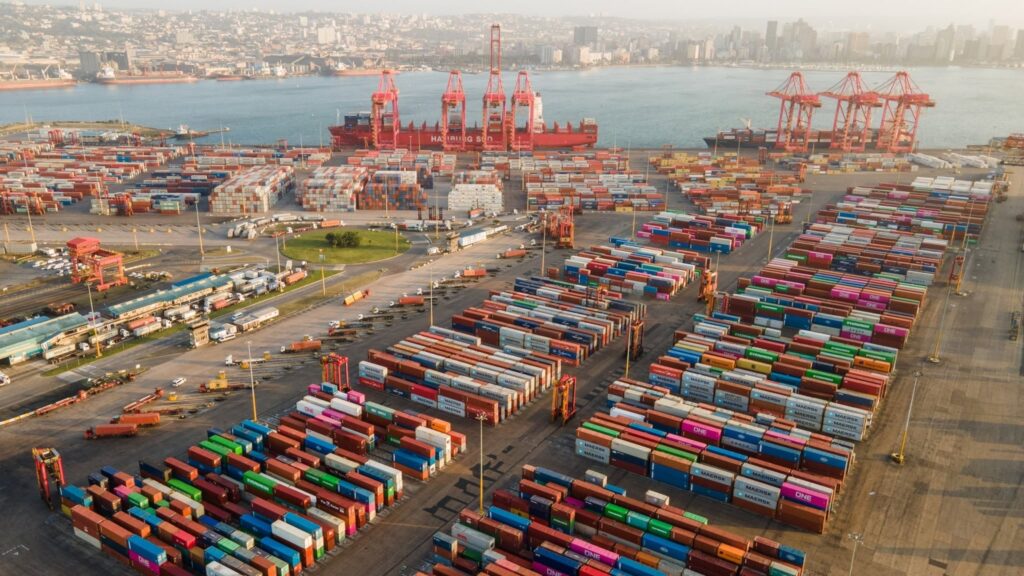
The Port of Durban is reportedly facing an escalating crisis as operational challenges threaten a key gateway for South Africa’s automotive sector.
Durban Harbour is the busiest container port in Sub-Saharan Africa, and handles approximately 60% of the country’s total container traffic, welcoming regular shipments of vehicle assembly and spare parts.
It also features a dedicated Roll-on/Roll-off (Ro-Ro) car terminal that processes hundreds of thousands of vehicles annually.
The port serves as the primary export gateway for local manufacturers, including Toyota’s Prospecton plant, and also welcomes most imports from markets like India and China.
Through the Island View complex and offshore Single Buoy Mooring (SBM), Durban Harbour also handles a vast majority of South Africa’s crude oil imports and refined petroleum products.
Of particular concern is that ActionSA has had to issue a Notice of Motion to Parliament, calling for an open deliberation on its deteriorating condition.
Members of Parliament Alan Beesley and Malebo Kope said recent reports pointed to declining performance at the port, with long queues and waiting times for ships.
“These reports show excessive average anchorage times of 214 hours, berth times of 123 hours, and a total Durban vessel queue of 33 vessels,” they said in a statement.
“These operational challenges are placing immense pressure on the national supply chain, disrupting businesses across virtually every sector.”
The MPs explained that this has added additional costs for thousands of small, medium, and large enterprises in South Africa.
The crisis at the port has been linked to a software transition which occurred at the Durban Gateway Terminal in mid-August, also known as Pier 2.
The terminal cautioned ships in advance that moving to the new Navis N4 operating system would cause delays, creating a large container backlog that has not been cleared more than a month later.
“At a time of weak economic growth, South Africa cannot afford to keep scoring own goals. The unfolding crisis at the Port of Durban is one such own goal.” Beesley and Kope said.
“Parliament cannot sit on the sidelines while a strategic economic gateway deteriorates and businesses, jobs and livelihoods are placed under increasing pressure.”
The most improved port in the world
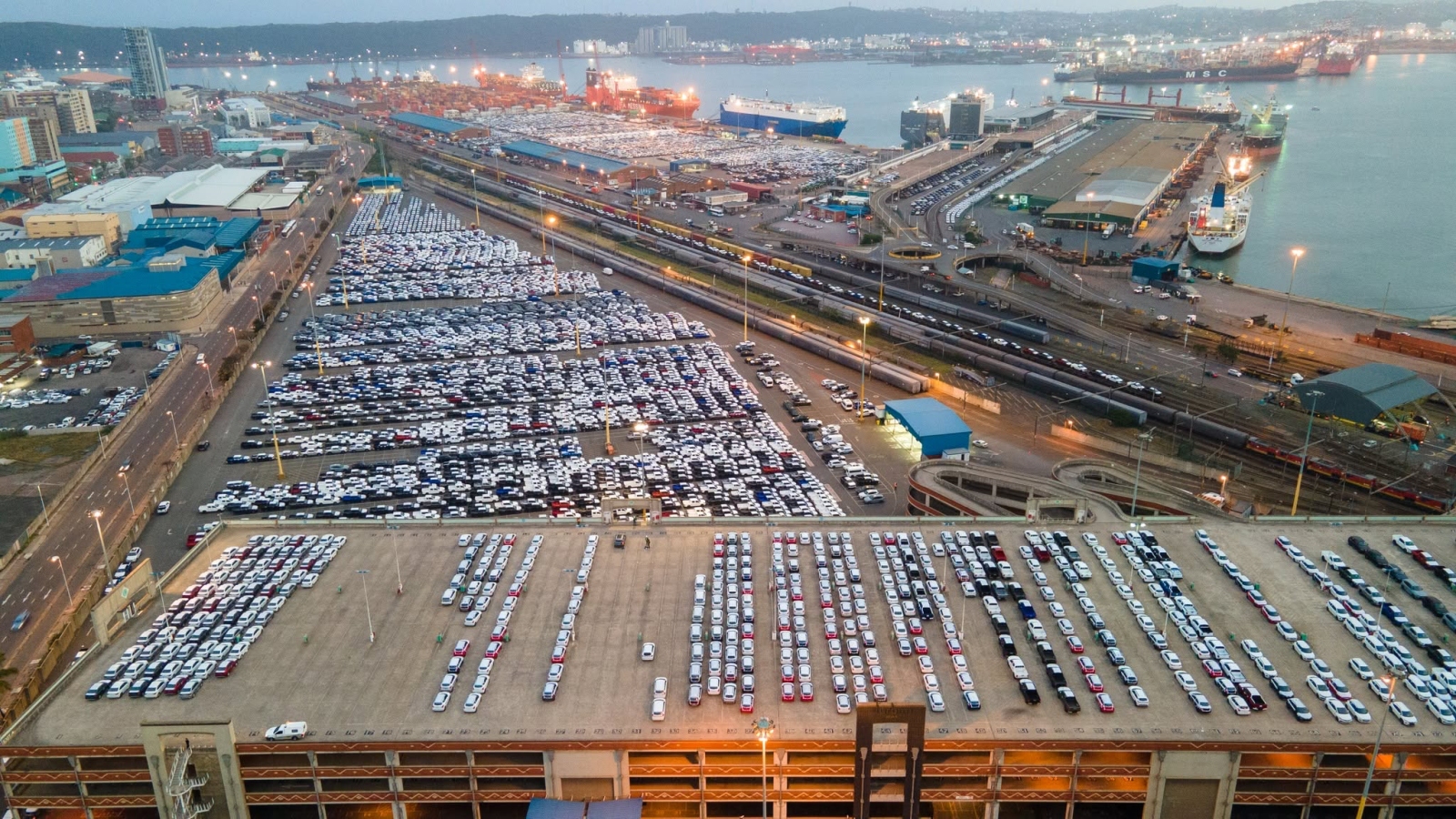
The Port of Durban regularly ranks among the worst in the world and was placed last out of all 403 ports in the World Bank’s Container Port Performance Index for 2020 to 2024.
This is because the gateway has faced persistent problems, including equipment failures, maintenance backlogs, road congestion, and weather disruptions.
Challenges have added up over the years, leading to long queues and excessive anchorage and berth times for ships entering the port to drop off and pick up cargo.
Transnet Port Terminals implemented several targeted interventions to clear container backlogs and improve the harbour’s performance, including procuring new port equipment and refurbishing ageing machinery.
Last year, Transnet granted a 25-year concession to Filipino port operator International Container Terminal Services (ICTSI) to take over operations of Pier 2.
The joint venture means Transnet maintains 51% ownership of the terminal, while ICTSI holds the remaining 49% stake.
The minority stakeholder has R12 billion in direct investment to upgrade port infrastructure, modernise equipment, and increase capacity.
Together, they aim to raise Pier 2’s annual handling capacity from two million TEUs (twenty-foot equivalent units) up to its maximum capacity of 3 million.
Since then, the Port of Durban has ranked as the most improved port in the World Bank’s latest Container Port Performance Index for 2025, but the backlog could undo much of the improved port performance.

 Loading ...
-facelift-2-2025.10.webp)
-2025.11.webp)