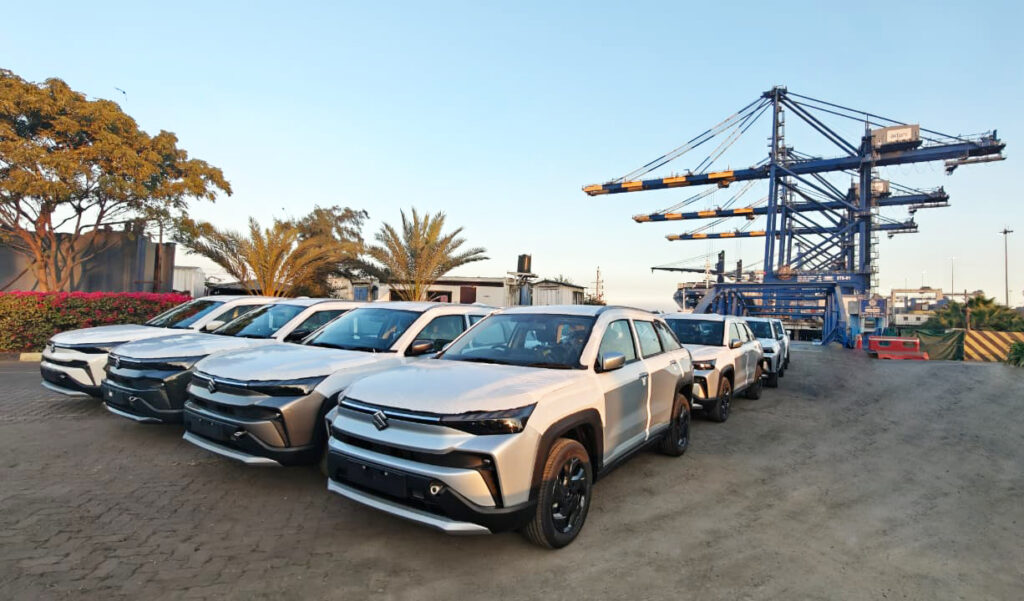
India has finalised sweeping new fuel-efficiency rules that will require automakers to cut emissions across their fleets from 2027, while giving them flexibility to use electric vehicles, hybrids and more efficient gasoline-powered cars to get there.
The Corporate Average Fuel Economy-III rules, notified Tuesday, will progressively tighten emissions limits for new cars through March 2032, requiring about a 17% improvement in fleet-wide fuel efficiency over five years.
The shift is significant for the world’s third-largest auto market, where rising sales of larger sport utility vehicles have made it harder to curb fuel consumption.
Rather than dictate which technologies carmakers must use, the new regime effectively forces them to manage the emissions of their entire portfolio — making the balance between SUVs, small cars, hybrids and EVs increasingly important to meeting the rules.
India’s approach borrows elements from Europe’s fleet-based system but allows a more gradual transition.
The European Union requires much steeper reduction in emissions from new cars this decade, while India is giving manufacturers more ways to comply, including extra credit for selling cleaner vehicles and the ability to trade emissions credits.
“Adhering to the norms will require careful product planning and substantial investment in new-age technologies,” said Rajat Mahajan, partner and auto sector leader at Deloitte India.
Automakers that can’t switch enough of their larger portfolios quickly may need to trade credits to avoid penalties, he said.
Carmakers that outperform their targets can now generate and trade credits, according to the rules.
Those that fall short can carry deficits within designated compliance periods or purchase credits, giving manufacturers another route to meeting the rules without immediately overhauling their product lineups.




 Loading ...
-facelift-2-2025.10.webp)