


The South African government is finally moving to double the validity period of driver’s licences, 13 years after an extension was first approved.
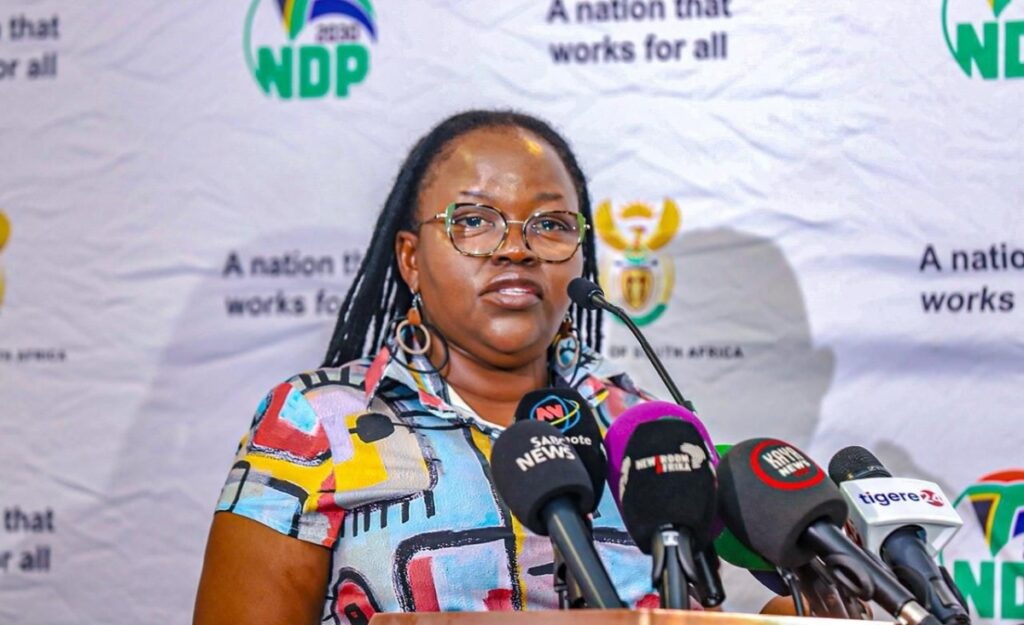
Earlier this year, Minister in the Presidency Khumbudzo Ntshavheni announced that Cabinet had approved the extension for the country’s licence cards.
This came in response to mounting calls from citizens and civil action groups for something to be done about South Africa’s driving licence card system, which has become a major source of frustration.
South Africa’s 5-year validity period is lower than that of many other countries, forcing motorists to go through the time-consuming process of renewing their cards more frequently than seemingly necessary.
Additionally, South Africa only has a single ageing licence card printing machine, which has broken down on several occasions, resulting in massive renewal backlogs.
The thing is, these concerns are not new, and the government attempted to address these problems more than a decade ago, though nothing came of it.
The Organisation Undoing Tax Abuse (OUTA) highlighted that a proposal to extend the licence validity period was gazetted all the way back in 2013.
On 19 November 2013, then Minister of Transport Dipuo Peters published the Government Gazette No.37048, which featured an amendment to Regulation 108(5)(a) of the National Road Traffic Regulations.
The amendment would have extended the validity period of driving licence cards from 5 to 10 years. However, this idea was scrapped soon after.
On 31 October 2014, a new amendment was published in the Government Gazette No.38142, which changed the validity period back from 10 to 5 years, effectively undoing the extension.
OUTA said it found no record of the decision to reverse the move to a longer 10-year validity period.
10-year extension proposed, scrapped, and brought back over a decade later
While the original extension plan was quietly scrapped, calls for the driving licence validity period to be increased have gained massive traction in recent years.
The issues with South Africa’s licence card system came into sharp focus during the pandemic years when the Driving Licence Card Agency’s (DLCA’s) printer broke down, creating an enormous backlog.
Additional backlogs have occurred since then, including one in February 2025 that took the rest of the year to be resolved.
Organisations like OUTA argued that a longer validity period would align South Africa with international best practices and result in less frequent renewals, reducing the impact of any further breakdowns.
All of this finally resulted in an announcement in July 2026 when Cabinet confirmed that it had approved a proposed extension from 5 to 10 years.
This will apply to code A, A1, B, and EB licences, affecting motorists with light motor vehicles and motorcycles.
However, it does not include other types of licences, such as a code C1, C, EC1, or EC, meaning anyone who operates medium and heavy commercial vehicles must still renew their licence every five years.
The announcement was welcomed by OUTA, which said it was a long-overdue victory for motorists.
“Government has finally accepted that forcing motorists through an inefficient renewal system every five years wastes time and money without making our roads safer,” it said.
“Although the pandemic brought the crisis into sharp focus, our work showed that the five-year renewal cycle placed unnecessary pressure on a system already struggling with inefficiency, corruption and poor service delivery,” said OUTA.
The most recent update came last week, when the Department of Transport confirmed that it had submitted its extension proposal to parliament.
One thing to bear in mind is that the extension will likely include a sizeable hike to the licence renewal fees, as there are concerns that the longer terms will lead to fewer applications and a loss of revenue for the state.





 Loading ...

-2026.10.webp)
