


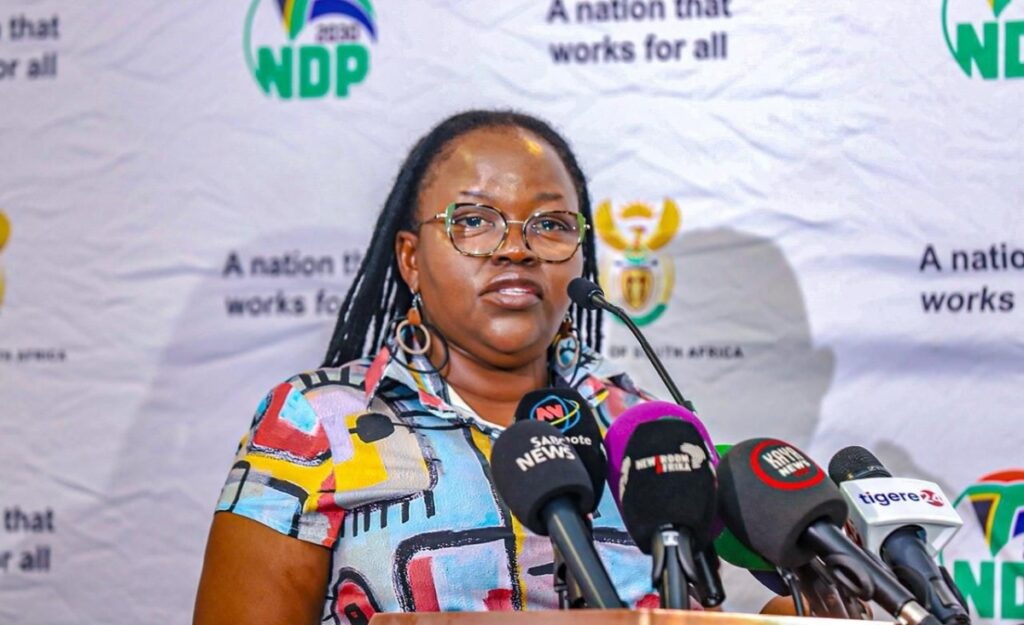
Transport Minister Barbara Creecy said her department would not increase one of South Africa’s main fuel taxes to R3 per litre while she is in Cabinet.
She made these comments after it was revealed that the Road Accident Fund (RAF) proposed to increase its fuel levy from R2.25 to R3 per litre.
The RAF levy is the second-largest fuel tax in South Africa after the General Fuel Levy (GFL). It is applied to every litre of petrol and diesel and functions as a revenue stream for the RAF.
While the levy generates roughly R50 billion per year, the RAF said that this is not enough. It argued that the levy has not kept up with inflation and that it is losing revenue as a result.
In its annual report for the 2025/26 financial year, the RAF proposed to increase the fuel levy by 33% to R3 per litre to address its dire financial situation.
However, Creecy has since stated that she would not support this request as motorists are already under severe pressure from 2026’s record-high fuel prices.
“As long as I’m in this job, we will not apply to the National Treasury for an increase in the fuel levy,” she said in an interview with eNCA.
“What we have to do is sort out the mismanagement that has happened at the Road Accident Fund for a long time.”
Creecy noted that the RAF has an interim board in place and that she has just received Cabinet approval to appoint a new CEO, Waseem Carrim, who will take office on 1 November 2026.
“There are really 3 things that we have to do at the Road Accident Fund. First of all, we’ve got to sort out the finances and the management so that we stop wasting money,” Creecy said.
This includes a step to reform the RAF Bill to establish a defined schedule of benefits and implement a no-fault system.
“Lastly, and perhaps most importantly, we also have to get the number of road deaths and road accidents down so that there is less demand on the fund,” Creecy said.
However, while the minister addressed the proposal to raise the RAF levy, she made no mention of the RAF’s other proposal to impose a new levy on vehicle registrations and licence disc renewals.
This proposal was included in the RAF’s annual report, though it didn’t specify an amount or which type of vehicles it would affect.
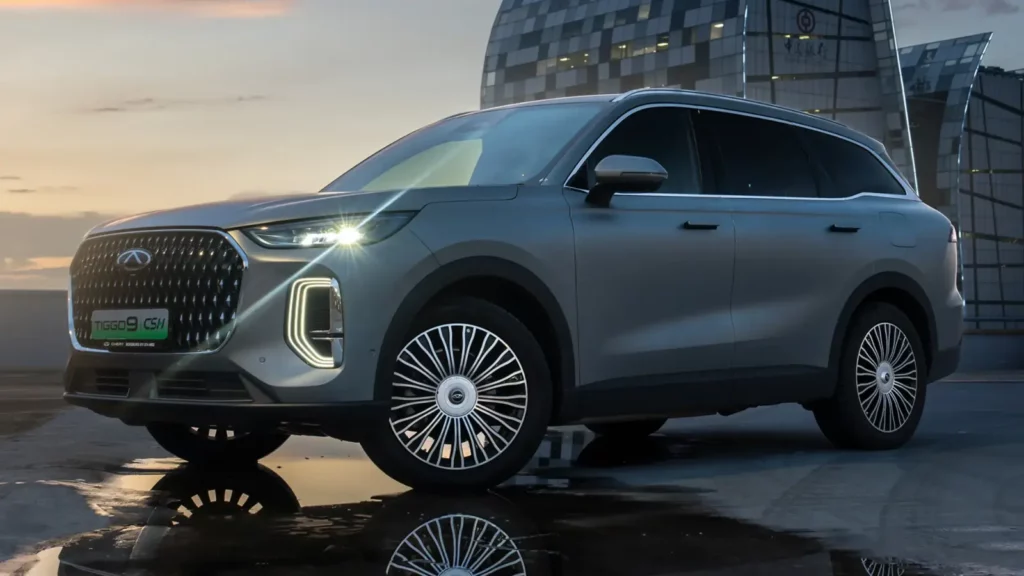
The new tax is supposed to address the growing adoption of electric vehicles, which do not use fuel and therefore do not contribute to the RAF levy.
It is currently unclear whether this tax would only be imposed on hybrid and electric vehicles, or if it will apply to petrol and diesel cars as well.
While Creecy did not address this point in her most recent response, she has expressed support for the new tax in the past.
Earlier this year, the minister proposed a new funding model for the RAF that included a new tax linked to vehicle registrations and licence disc renewals.
She provided reasoning very similar to the RAF’s, stating that the rise of EVs was causing a decline in fuel sales, leading to a drop in revenue for the state-owned entity.



 Loading ...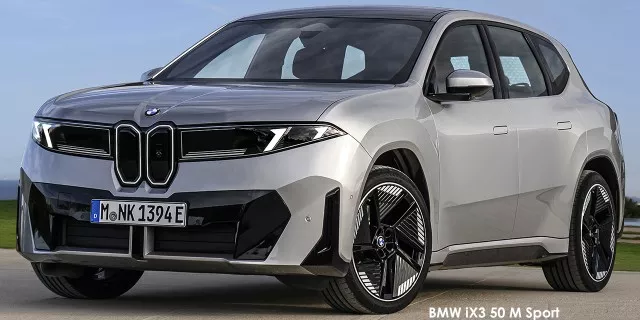

-2026.10.webp)
