
R5 billion cost to road users in South Africa that should never have happened


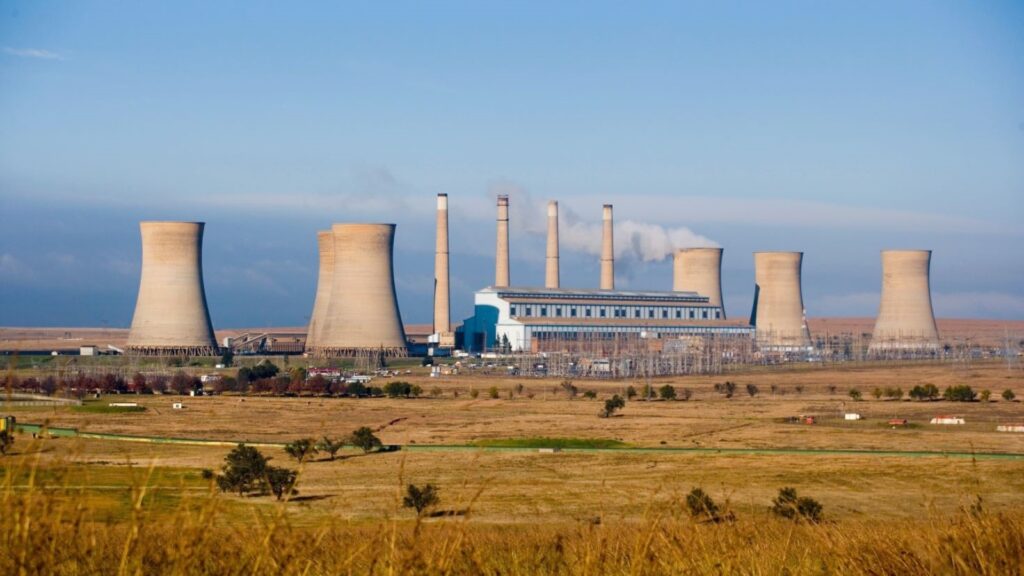
Years of Eskom keeping South Africa’s lights on by burning diesel to avoid load shedding have left a massive R5 billion hole in the Road Accident Fund’s coffers.
In South Africa, industrial diesel consumers that generate power receive concessions from the RAF fuel levy, with Eskom granted a 100% concession on diesel used for electricity generation.
Under Section 5 of the RAF Act, the South African Revenue Service (SARS) administers fuel levy collections and pays the net of diesel refund concessions back to the RAF.
Periods of heavy load shedding saw diesel rebate claims rise sharply due to high fuel usage in peak-power generation.
In the 2015/16 financial year, diesel refunds jumped 47% to R4.44 billion due to increased diesel usage for electricity generation during intense power grid constraints.
By 2018, it stabilised and refunds decreased to R1.58 billion before escalating again to R3.48 billion in 2018/19 and R4.82 billion in 2019/20 as Eskom increased diesel burn rates.
Since then, refunds have reached R5 billion, and the relationship between SARS, Eskom, and the RAF culminated in a major legal and financial dispute as Eskom lodged retrospective diesel refund claims with SARS amounting to R5.1 billion.
In February and March 2025, SARS withheld R1.9 billion from the fuel levy revenues due to the RAF to satisfy Eskom’s claim, and continued this practice into 2025/26, withholding a cumulative R3.081 billion.
In response, the RAF successfully obtained a hold-over order on 14 March 2025 and an interim interdict in the High Court on 26 March 2025 prohibiting SARS from deducting these funds from RAF fuel levy allocations.
Despite the court interdict, SARS continued to withhold the funds from monthly fuel levy disbursements.
The RAF recorded a direct impairment loss on statutory receivables of R1.99 billion in 2024/25, which accumulated to R5.07 billion in 2025/26 as the dispute remained unresolved.
No increase in RAF levy to cover losses
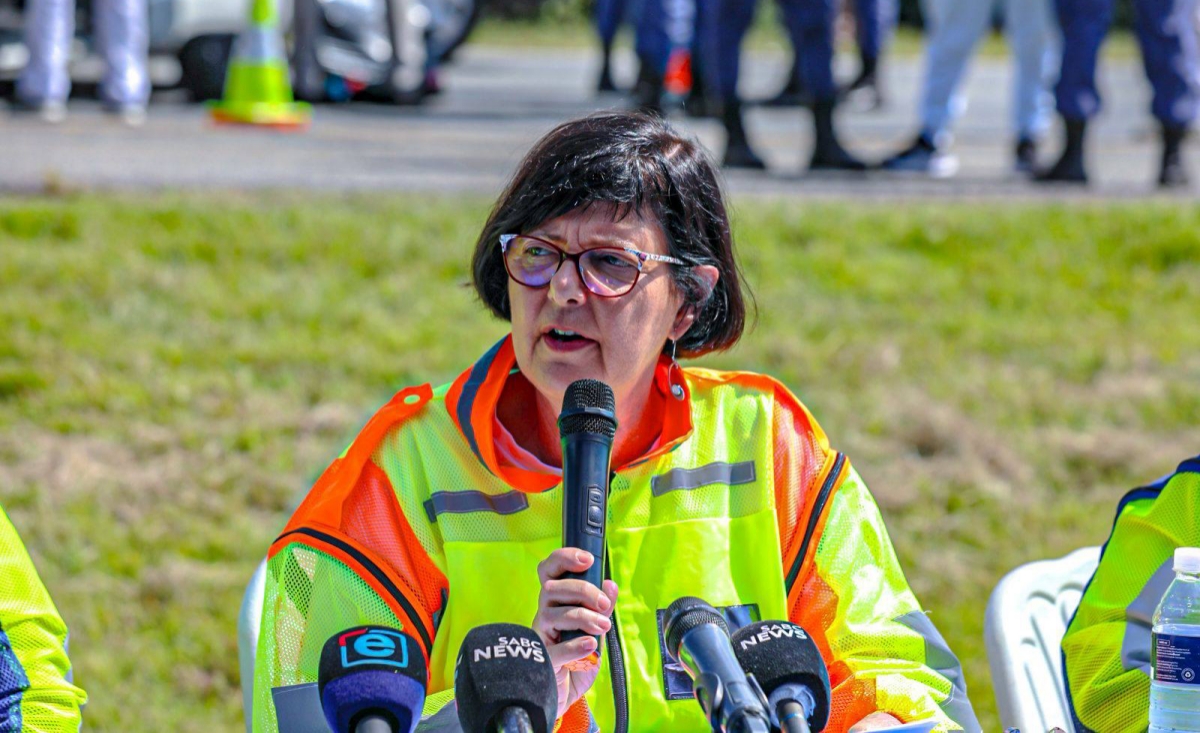
The total loss of cash flow from the deductions contributed to annual operating deficits and expanded the backlog of unpaid requested claims, which increased to R10.4 billion in 2025 and R21.1 billion in 2026.
Despite these losses and the RAF proposing a R3-per-litre levy increase, Transport Minister Barbara Creecy said her department would not permit increases while she is in Cabinet.
The fund already generates roughly R50 billion per year, but the RAF said this is not enough, arguing that the levy has not kept up with inflation and that it is losing revenue as a result.
In its 2025/26 financial year annual report, it proposed increasing the fuel levy by 33% to R3 per litre to address its financial situation.
The Transport Minister rebuffed the suggestion, saying she would not support the fund’s request.
“As long as I’m in this job, we will not apply to the National Treasury for an increase in the fuel levy,” she said in an interview with eNCA.
“What we have to do is sort out the mismanagement that has happened at the Road Accident Fund for a long time.”
Creecy added that the RAF has an interim board in place and that she has just received Cabinet approval to appoint Waseem Carrim as its CEO, to take office on 1 November 2026.
“There are things that we have to do at the Road Accident Fund. First of all, we’ve got to sort out the finances and the management so that we stop wasting money,” Creecy said.
This includes a reformed RAF Bill to establish a defined schedule of benefits and implement a no-fault system.
“Lastly, and perhaps most importantly, we also have to get the number of road deaths and road accidents down so that there is less demand on the fund,” she noted.




 Loading ...
-2026.10.webp)



-2026.10.webp)