


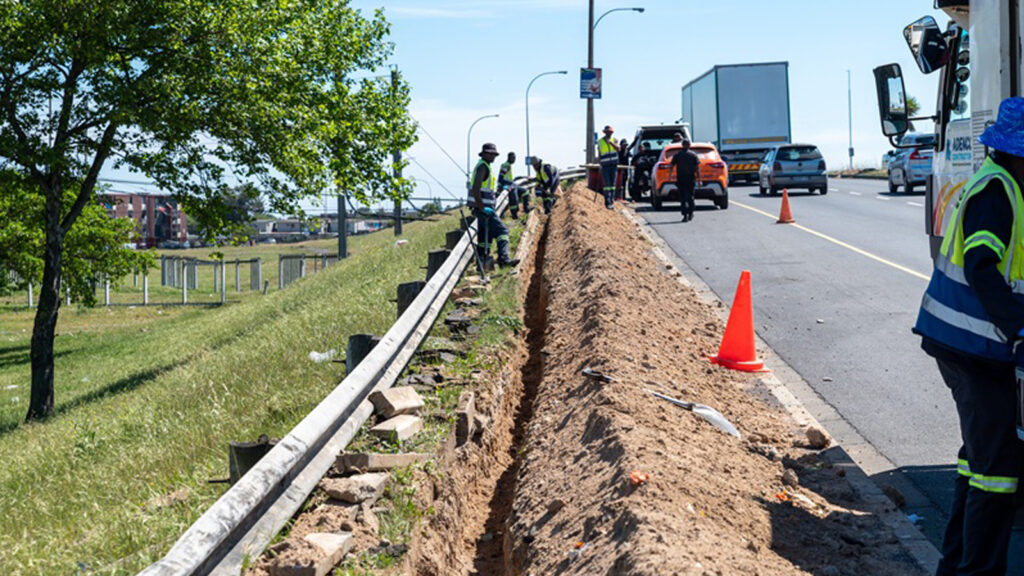
The City of Cape Town has invested R1.1 million in a single street to protect it against repeated attempts at vandalism.
Cape Town’s Energy Directorate recently announced that it was upgrading the streetlight infrastructure along 35th Avenue, located between Owen Road and Robert Sobukwe Road in Bishop Lavis.
It noted that the section of road had been severely and chronically affected by repeated incidents of vandalism and theft.
“‘In April this year, we visited the area following the repairs of damaged streetlight infrastructure, only to see it vandalised again shortly thereafter,” the City said in an official statement.
“This busy corridor forms part of the broader airport precinct and has been repeatedly targeted by criminals, with streetlight fittings damaged and cables stripped.”
The City has already spent more than R2.2 million on high mast repairs and maintenance on the road in the last financial year alone.
It said that its teams continue to battle with ongoing attacks to critical infrastructure, and that it is escalating its anti-vandalism measures in response.
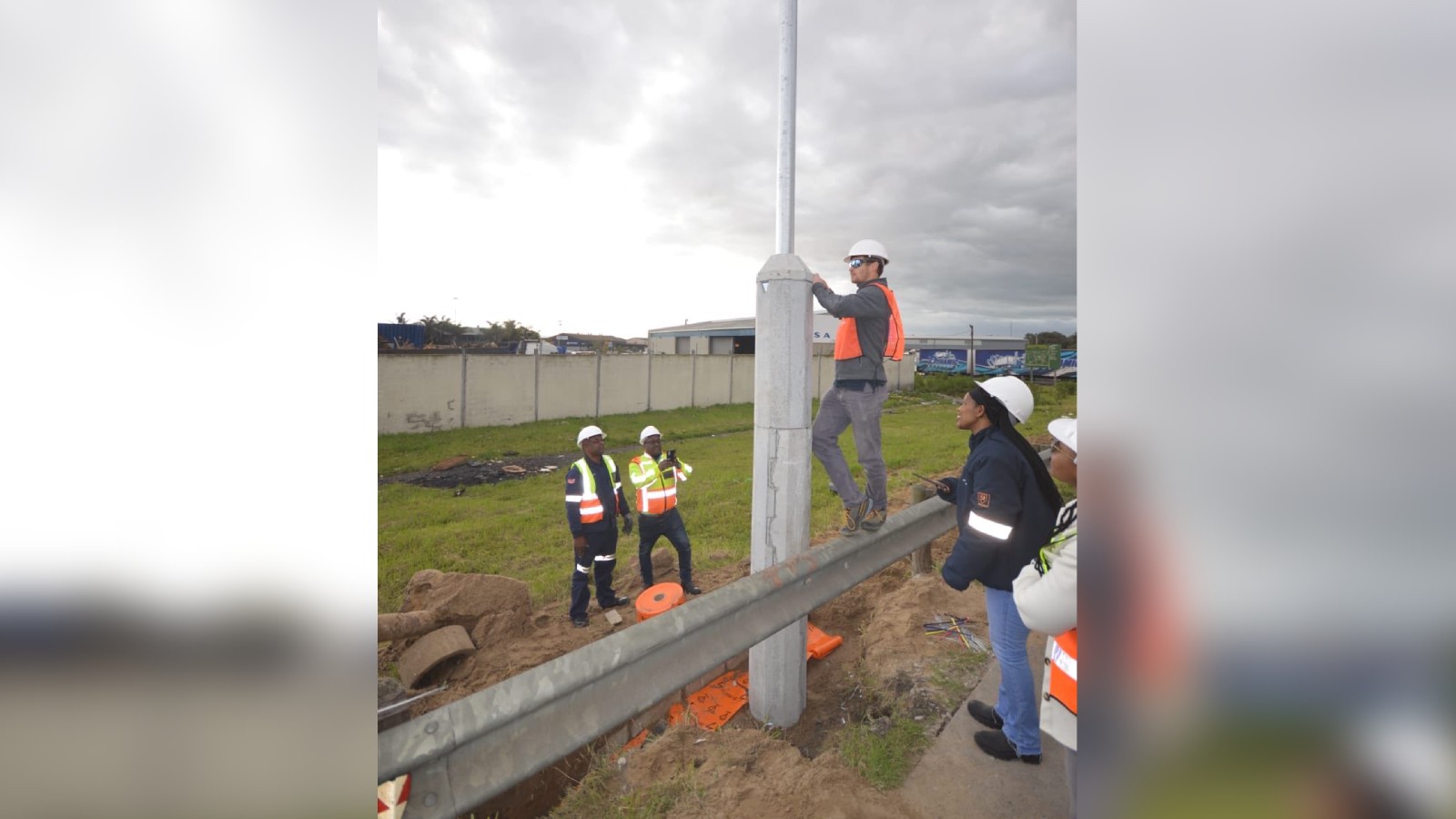
This includes new 13.5-metre heavy-duty anti-vandalism poles with a larger diameter and thicker construction than standard streetlights.
The access points and electricity connection boxes have also been raised, making them more difficult to tamper with.
Furthermore, the City is installing additional cameras to monitor the road, and sensors are being added to all the supply cables.
“Despite managing one of South Africa’s largest streetlight networks, with over 245,000 fittings, the City registers impressive lighting burn rates, which remain consistently above 80%,” it said.
“The City also publicly reports streetlight service requests and repairs monthly, while planned investments of over R261,5 million in new streetlight capital projects over the next three years, which include the city-wide rollout of energy-efficient LEDs, continue earnestly.”
Cape Town called on residents to report suspicious activity to prevent illegal connections and theft that damages city infrastructure.
This includes illegal scrap yards, which pay criminals for the copper wiring they steal from robots and streetlights.
Cape Town Mayor Geordin Hill-Lewis said that only determination could overcome recurring vandalism.
“A brief note on streetlights. It takes real determination to keep them working, because of the absolutely relentless cable theft across South Africa,” he said.
“You have to be determined to replace them repeatedly, no matter how often they get vandalised.”
Johannesburg’s streetlights out of action

While the City of Cape Town is taking measures to prevent theft and vandalism of key transport infrastructure, the City of Johannesburg is facing mounting pressure from its own residents to address similar issues.
Hill-Lewis commented on Joburg’s widespread streetlight and robot outages, stating that municipalities need to invest in law enforcement to track down and arrest cable thieves.
This includes the use of drones and copper-sniffing dogs. The mayor added that new methods like encasing streetlight poles in concrete were effective options.
“We are now using this method in Cape Town to make it harder to steal,” said Hill-Lewis.
“We’ve taken an active decision to do all of this, because the alternative is to allow the sense of urban decay that sets in with tens of kilometres of darkness.”




 Loading ...



Conversation
3 commentsIn PE they simply take a cordless angle grinder, a can of water and a wet sack. They cut the pole completely, using the grinder and wet sack to curb sparks (so they can’t immediately be spotted) and strip kilometers of cable in one night. The useless Metro police are nowhere to be seen and we have almost NO streetlights working in PE. These are not hungry, poor people stealing copper for food. These are criminal organized gangs stripping copper for the scrap metal mafia. The mind boggles that they have not found a way to make the poles stronger, fitted spikes or anti theft measures to curb them scaling the poles and effective policing, by means of trip switches and alarms! Surely this is cheaper than having to replace cables every 2nd week!