
The famous Japanese car brand that sells under 100 cars per month in South Africa


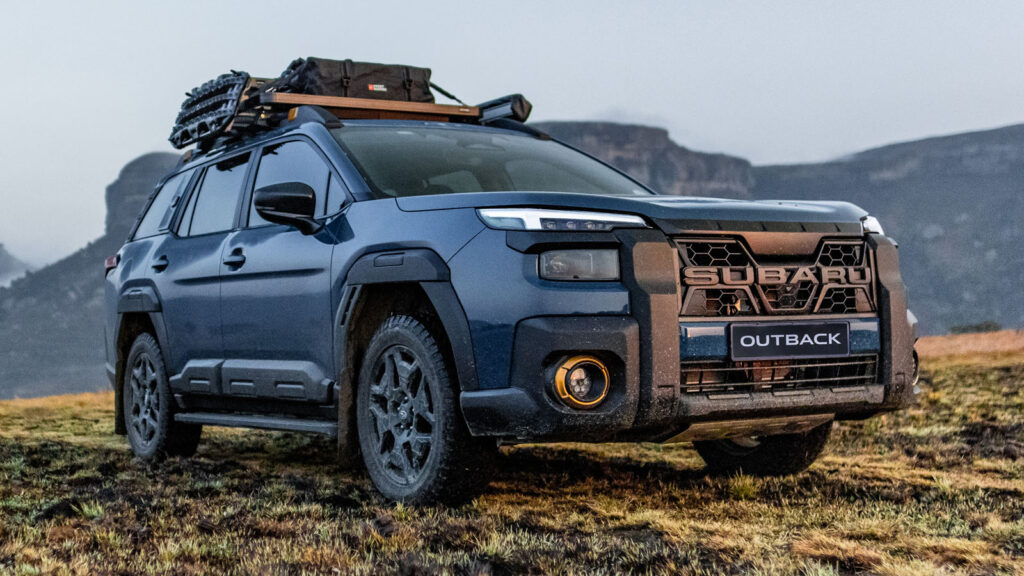
Subaru is one of South Africa’s least popular car brands, selling fewer than 100 units per month despite a solid reputation for safe, reliable vehicles with strong performance.
While Toyota is the undisputed market leader in South Africa, other Japanese car brands don’t perform nearly as well.
The exception is Suzuki, though it should be noted that all of the cars it sells in South Africa are budget models produced by Maruti Suzuki in India, giving it a major advantage over the entry-level market.
Honda, Mazda, Nissan, and Mitsubishi, meanwhile, are all low-volume brands in our market, though Subaru stands out with the lowest sales of any car brand aside from Ferrari – the ultra-exclusive Italian supercar marque.
According to the latest industry sales statistics from the Automotive Business Council, Subaru sold 83 cars in South Africa in October 2026, ranking 33rd out of 34 manufacturers (excluding commercial-only brands like MAN).
In contrast, Toyota dominated the charts in first place with 14,495 units, while other Japanese nameplates like Nissan, Honda, Mitsubishi and Mazda sold 698, 226, 188, and 160 units, respectively.
You can see the full breakdown of each company’s sales in October below:
- Toyota – 14,495 units
- Suzuki – 7,292 units
- VW – 6,515 units
- Ford – 3,353 units
- Hyundai – 3,207 units
- GWM – 2,919 units
- Chery – 2,754 units
- Kia – 2,233 units
- Isuzu – 2,123 units
- Jetour – 2,102 units
- Renault – 1,706 units
- Mahindra – 1,484 units
- BMW – 1,312 units
- Omoda & Jaecoo – 1,201 units
- Tata – 1,057 units
- Stellantis – 1,028 units
- BYD – 814 units
- Nissan – 698 units
- Mercedes-Benz – 548 units
- Changan – 375 units
- JAC – 353 units
- Foton – 329 units
- Salvador Caetano (GAC and JMC) – 243 units
- Honda – 226 units
- MG – 221 units
- Jaguar Land Rover – 195 units
- Mitsubishi – 188 units
- BAIC – 179 units
- LDV – 172 units
- Mazda – 160 units
- Volvo – 113 units
- Porsche – 110 units
- Subaru – 83 units
- Scuderia (Ferrari) – 12 units
Another difference between Subaru and other Japanese carmakers is that the former did not experience a massive drop in sales over the last decade.
In October 2016, Nissan was the fourth-best-selling brand in the country with 3,692 units, while Mazda and Honda were eighth and ninth with 972 and 720 units, respectively.
In contrast, Subaru was ranked 25th with 70 sales. Keep in mind the reason why it has fallen from 25th to 33rd place is because several new car brands have launched in South Africa over the last five years.
In 2016, the top-performing Chinese marque was JMC with 52 sales, while GWM and Chery had no presence in South Africa, illustrating how drastically the local car market has changed over the last decade.
A competitive market

Today, Subaru serves as a niche brand offering a selection of off-road capable crossovers, SUVs, and sedans.
It currently sells three cars in South Africa: the R609,000 Crosstrek, the R699,000 Forester, and the R899,900 WRX.
Two factors that make it difficult for Subaru to compete against other brands in South Africa are that it has a limited dealer network, and all of its cars are imported.
While its cars generally have a good reputation for build quality and reliability, the cost and availability of spare parts and repairs when something does go wrong is likely to deter many buyers, especially those living outside of major cities.
Subaru’s niche appeal also means it doesn’t hold its value on the second-hand market as well as a popular brand with widespread coverage like Toyota.
Lastly, like all carmakers, Subaru is now competing against an influx of new, much cheaper Indian and Chinese imports.
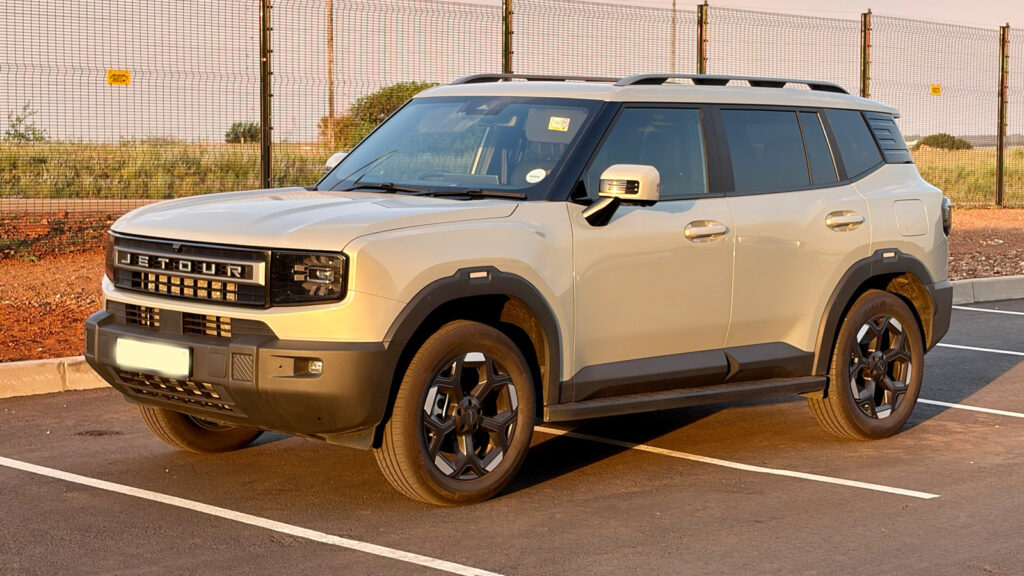
A brand like Jetour, which offers the T1 and T2 Adventure SUVs, is another competitor encroaching on Subaru’s off-road niche.
The Japanese carmaker’s response is that it will not enter a price war with Chinese brands and will instead compete on build quality, safety, and premium positioning.


 Loading ...
Conversation
1 commentsI’ll take a Subaru or Mazda any day over any of the Chinese offerings…