What to do after someone tries to steal your car in South Africa


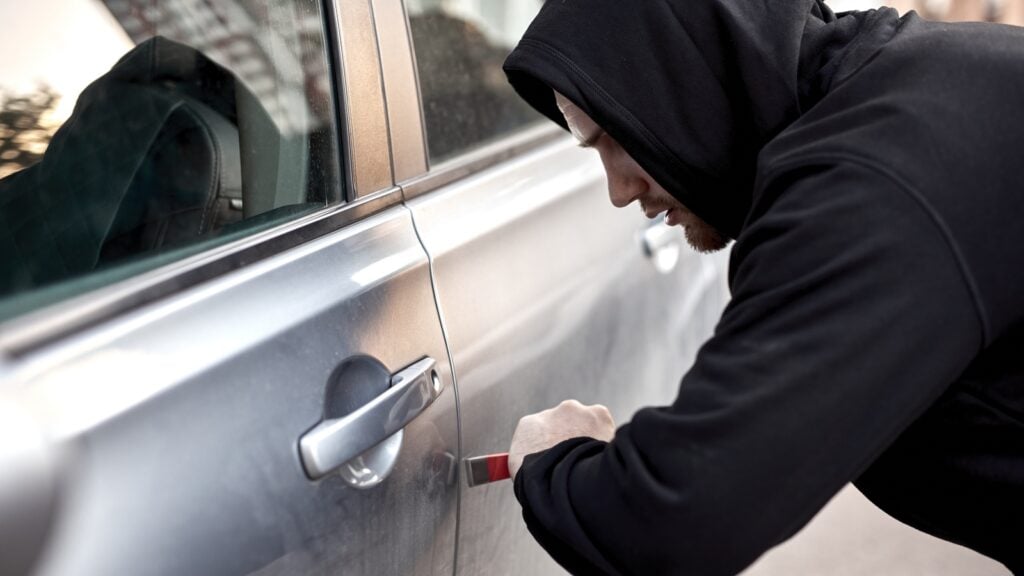
An attempted car theft or break-in can leave behind significant localised damage, often leaving owners with massive repair bills, especially if they do not act swiftly to prevent long-term issues.
This is according to auto body repair centre Metalcross, which shared a guide to help South African drivers assess possibly concealed structural damage following an attempted car theft.
It noted that while many break-in attempts are unsuccessful, vehicle crime remains a persistent challenge across Gauteng, as driveways, office parks and residential streets all see their share.
Before thinking about repairs, the centre advised motorists to take clear photographs of all damage from several angles, report the attempted break-in to the police, and obtain a case number.
This will help with insurance claims, since most insurers expect a case number before they consider a claim for malicious damage or attempted theft.
Once the damage is documented, car owners should check if the door still works, opens and closes smoothly, latches with normal force, and sits flush with the surrounding bodywork.
“Thieves typically utilise crude tools, such as screwdrivers, to force open lock barrels or wedge door frames,” the autobody shop explained.
“Because these areas feature intricate curves and recesses, professional scratch repair requires technicians to remove the external hardware entirely.”
Additionally, the violent leverage used to force a door frame open not only gouges through the vehicle’s protective clear coat and base colour but frequently exposes the underlying bare metal to the elements.
As a result, Metalcross urged consumers to look beyond surface-level cosmetic damage, adding that forcing a tool into the upper door gap often warps the internal frame.
“Symptoms of a warped frame include increased wind noise at highway speeds, water ingress during heavy rainfall, and doors that require excessive force to latch properly,” it added.
The autobody repair shop warned that delaying repairs exposes the vehicle to further damage, transforming a minor cosmetic fix into an expensive structural repair.
Repairing visible and hidden damage

Metalcross explained that it is natural to focus on the scratches, because they are the most visible part of the damage, but if the door frame was bent, repairing the paint alone leaves the real problem unresolved.
“A door that doesn’t sit correctly will keep letting in wind and water, the seals will wear unevenly, and the latch will be under constant strain,” it said.
“This is why a professional assessment looks at the whole door, not just the paint.”
Professional panel beaters will check the door gaps, frame shape, hinge position and seal contact, and correct any misalignment before the paintwork begins.
Fixing the alignment first helps with the scratch repair that follows, even if the frame needs to be reshaped.
“If it has been badly distorted, the door may need more extensive repair, and the assessment will make that clear before any work starts,” Metalcross explained.
Doing scratch repair around door handles and locks can be tricky, since the paint has to be restored on curved panels, recesses, and fitted parts.
This repair work usually starts with removing the handle and lock where possible, allowing technicians to repair the paint properly underneath instead of working around the parts.
The autobody repairer urged getting vehicle scratch repair done soon after the incident, as screwdriver gouges often expose bare metal.
“Left untreated, these spots can start to rust, particularly in the rainy months, and rust around a handle or lock is harder and more expensive to repair later,” it said.
Once repairs are complete and the car has been returned, Metalcross suggests taking steps to minimise the risk of another attempted theft.
“No measure removes the risk entirely, but a few practical habits help,” the repairer explained.
It added that remote jamming is common in South Africa, and urged motorists to ensure their car is locked before walking away.
“Keep valuables, bags and charging cables out of sight. Park in well-lit areas or within view of security where possible,” Metalcross advised.





 Loading ...