South Africa wants to build car batteries and hydrogen fuel cells – Here’s the plan


The Department of Science and Innovation (DSI) has expressed its commitment to transition to low-carbon transportation via the development of the “lithium-ion battery value chain from precursor and material development, to cell and battery manufacturing and testing,” said Dr. Phil Mjwara, director-general of Science and Innovation, at the Powering Alternative Mobility Solutions Indaba in April.
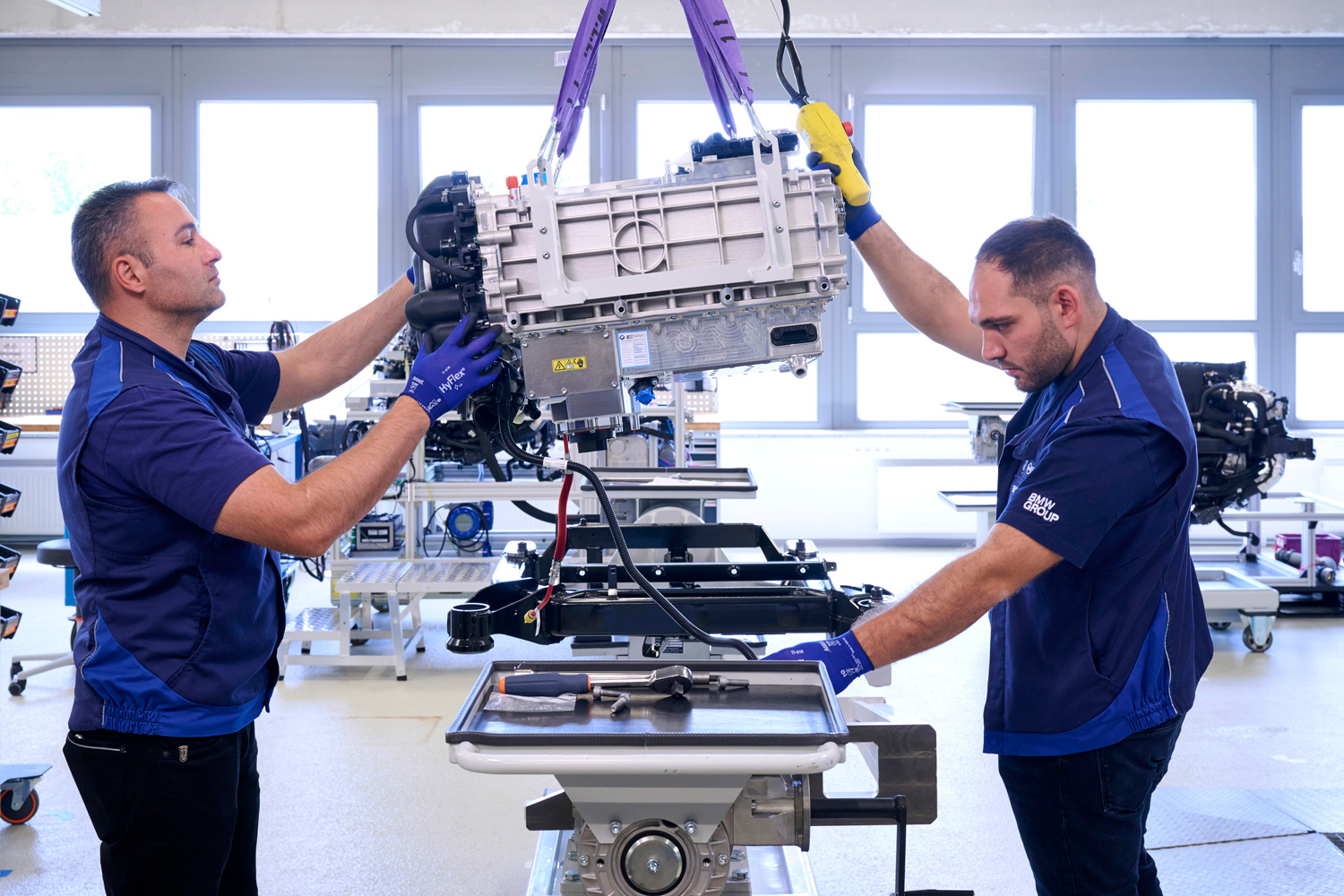
This process is being pioneered by the Hydrogen South Africa (HySA) programme which has been “instrumental in scaling up skills development initiatives in partnership with industry to build the local expertise required for new energy vehicle manufacturing (NEV),” he said.
A long time coming
Industry participants have long called on the government to implement NEV-friendly policies or risk losing access to major export markets such as Europe, which is planning to ban internal combustion engines (ICE) in the 2030s.
Currently, the import of NEVs and NEV-related components is taxed 7% higher than ICE vehicles, and there are no incentives for customers to purchase NEVs over their equivalent ICE counterparts, leading to sky-high starting prices and lacking adoption rates.
As such, the director-general’s announcements represent the first somewhat-tangible commitment from the powers that be to creating an environment accommodating of NEV production.
“South Africa’s commitment to transition to low carbon transportation is supported by the Energy Storage Research, Development, and Innovation (RDI) Programme implemented by the DSI,” said Mjwara.
“By coordinating the national system of innovation and supporting various RDI initiatives, the DSI aimed to support new sources of growth in various sectors of the economy such as energy and mobility.”
With a focus on lithium-ion batteries (LIB), the DSI aims to enhance the population’s “quality of life” by electrifying public transport.
Moreover, according to the Green Transport Strategy for South Africa (2018-2050), it plans to grow the uptake of NEVs through the following means:
- Work with local research institutions to conduct research on EV batteries
- Assist in establishing and developing local EV original equipment manufacturers
- Offer producers of EVs manufacturing incentives both for local and export markets
- Monitoring the manufacturing of cars locally, in line with the Industrial Policy Action Plan
- Introduce the conversion of old technology vehicles with higher emission factors to be retrofitted with EV technology
- Consider providing incentives related to the beneficiation of using local resources in the manufacturing of key machinery and components (e.g. fuel cells)
- Work with national, provincial, and local government authorities and the automobile industry to set annual targets for the uptake of electric vehicles and hybrid electric vehicles
in the Government vehicle fleet
The benefits of investing in LIBs are two-fold, including applications in battery-electric vehicles as well as stationary energy storage.
“While battery prices have decreased significantly over the past decade because of advances in technology, they still account for 40% to 50% of the overall cost of an electric vehicle,” said Mjwara.
“The creation of new industries anchored in locally-developed intellectual property would assist South African companies to remain globally competitive,” he concludes.



 Loading ...