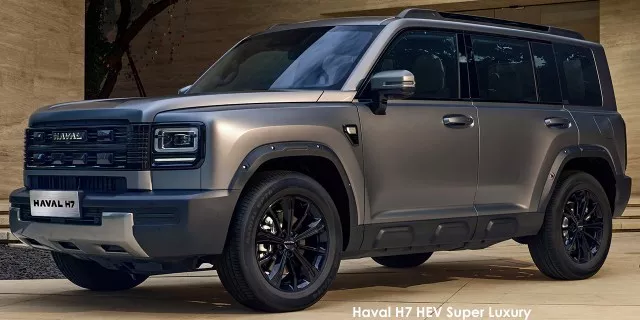
The one area where Chinese car brands are struggling in South Africa


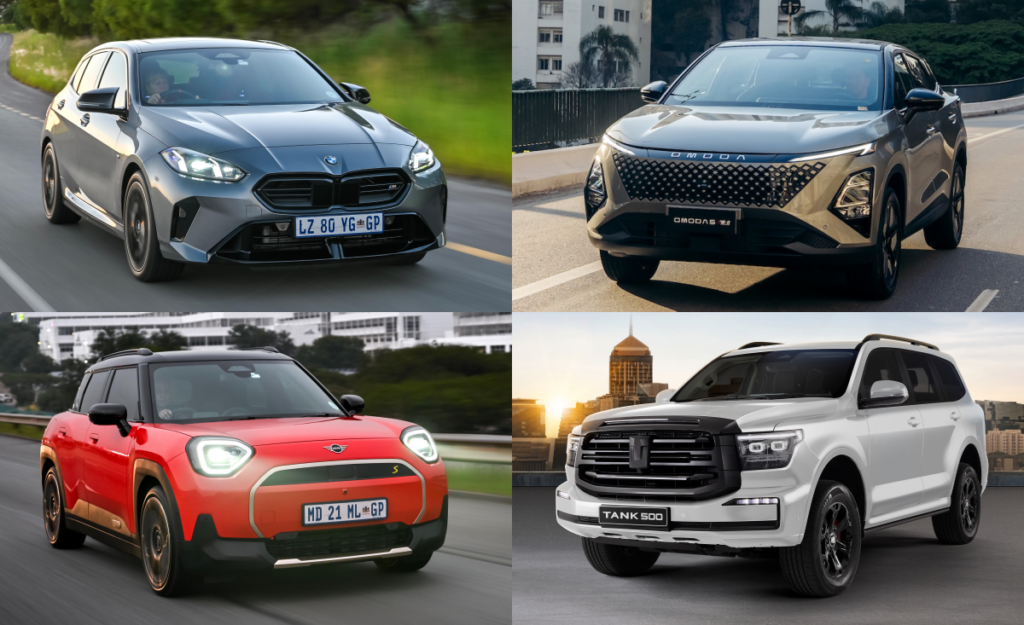
Along with the influx of affordable Chinese brands came a surge in their sales figures, considerable market share, and expanded offerings in nearly every segment, yet they still have one market to conquer.
Chinese imports have become so popular locally, in fact, that Chery and its subsidiaries Omoda, Jaecoo, and Jetour now rank as the third-best-selling brand in South Africa.
While these vehicles all offer considerable luxury, local motorists are not quite ready to trust them completely in the premium segment.
Last year, BMW managed to hold onto its title as South Africa’s favourite premium brand and even managed to increase its share of the segment.
The German automaker achieved its highest-ever premium segment share locally in 2025, claiming more than 46% of the market, despite the increased competition within the segment.
BMW said this was achieved, despite the country’s ongoing affordability pressures, thanks to its strong offerings and long-term customer value proposition.
The Munich-based brand saw an increase in sales of its other local badge, MINI, which claimed 5.67% of the local premium segment share last year.
Combined, these two brands managed to capture more than half of the premium segment at 51.82%, cementing it as the premium brand of choice in South Africa.
2025 was also an award-winning year for the brand, with the locally produced BMW X3 named as the South African Car of the Year, as well as winning the Premium category award.
Other awards include the 5 Series Sedan winning the Executive category, the M5 winning the Performance category, the Jurors’ Choice Award, and a third-place overall finish.
A different approach

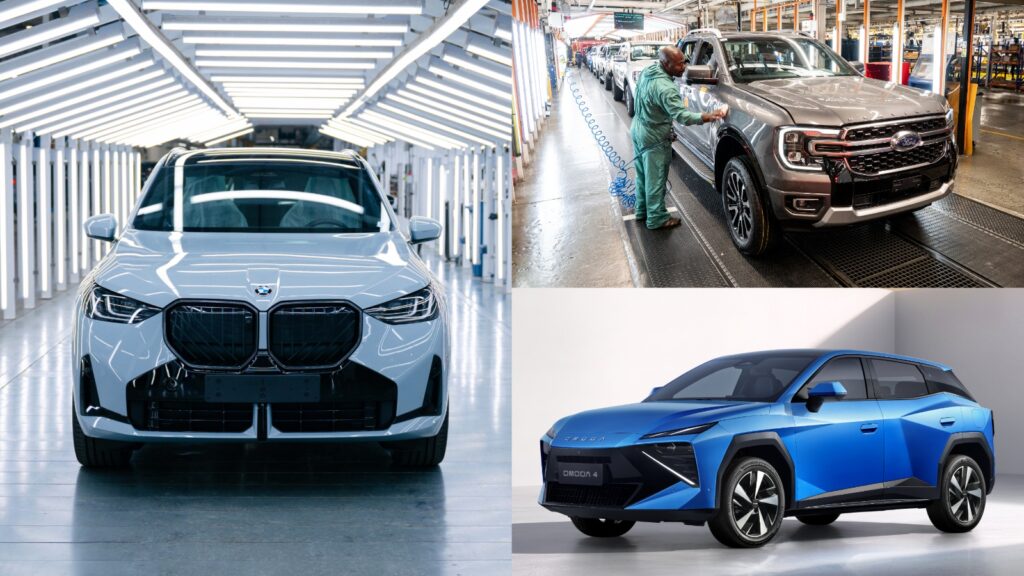
One way BMW maintains its hold over the local premium segment is through its plant in Rosslyn, Pretoria, which acts as a cornerstone for the group.
The brand reported that its full three-shift production schedule enabled it to produce more than 79,000 vehicles at the plant in 2025.
BMW said this output reflects a sustained global demand for its vehicles.
Danny Bester, Director of BMW’s Rosslyn plant, said its performance reflects the carmaker’s operational discipline and long-term investment.
“Operating at this scale, while maintaining quality and efficiency, speaks to the capability, resilience and commitment of our Rosslyn team.”
“Our focus remains on building a future-ready plant that can continue to serve global markets with confidence, underpinned by skills development and sustained investment in South Africa.”
The plant has been producing the fourth generation of the popular X3 SUV in both internal-combustion and plug-in hybrid (PHEV) variants, allowing it to meet its global market demand.
“Our 2025 performance reflects consistency across the business, from record segment leadership and strong production at Plant Rosslyn to award-winning products, distinctive design initiatives and recognised people practices,” said Peter van Binsbergen, CEO of BMW Group South Africa.
“Together, these elements position BMW Group South Africa to compete effectively while continuing to invest in South Africa’s future.”
During the brand’s announcements, it outlined the planned introduction of the iX3 to the local market as a key milestone.
The next-generation electric SUV marks a new chapter for BMW in South Africa in terms of design, digitalisation, and electrification.
BMW anticipates its rollout will further strengthen the brand’s premium positioning in South Africa.




 Loading ...