Deadline looming for petrol rationing and emergency supply laws in South Africa


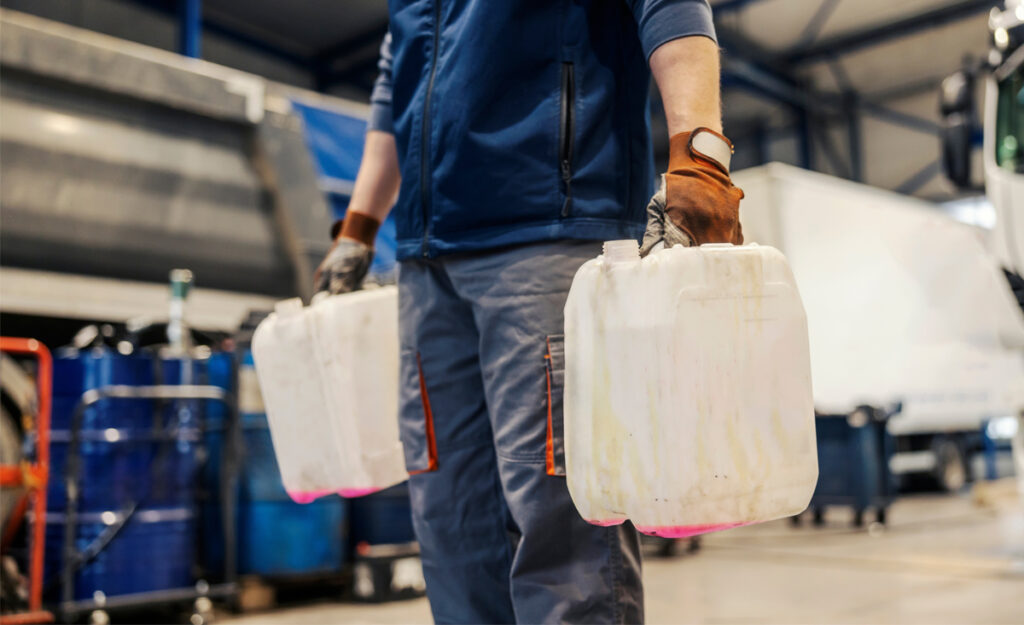
The Department of Mineral and Petroleum Resources (DMPR) has published the draft Strategic Petroleum Stock Policy for public comment, with the deadline fast approaching.
Said policy aims to address the concerns raised during the recent global fuel crisis, brought on by the war in the Middle East.
The conflict between the US and Iran disrupted oil production and the shipping of refined petroleum products through the Strait of Hormuz, leading to massive price spikes and concerns about potential shortages.
This led to panic buying across South Africa, as many petrol retailers in remote areas limited sales to both private and commercial buyers.
The proposed policy aims to fix these issues, as well as address broader concerns surrounding the country’s fuel storage capacity.
These issues include the loss of a considerable portion of the country’s fuel refining capacity, regulatory gaps in the private sector, and vulnerabilities in the supply chain.
As a net importer of crude oil and refined petroleum products, South Africa is particularly vulnerable to geopolitical events, international supply chain disruptions, and fuel price shocks.
The policy establishes a robust framework for the mandatory holding of emergency reserves, as well as the procedure to follow once an emergency is declared.
Its primary objective is to ensure South Africa is ready for future fuel crises by maintaining a buffer of physical fuel reserves that would be released during an official state of emergency.
According to the DMPR, it is looking to build emergency fuel reserves, while mandating private manufacturers and wholesalers do the same.
Those South Africans hoping to have their say on this draft policy, which can be read in its entirety here, have until Saturday, 8 August, to reach out to the department.
Key considerations

Before commenting on the draft policy, there are some factors for South Africans to consider, especially since the policy can be broken down into two components.
The policy is split between the state’s responsibility and the responsibility of private manufacturers and wholesalers as follows:
- The state will establish a reserve of crude oil equal to 90 days of net imports:
- Manufacturers and wholesalers must have a stock of refined products, such as petrol, diesel, or jet fuel, for 14 days
According to the department, these strategic reserves are intended only for catastrophic events, not minor operational inefficiencies.
It added that the Minister of Mineral and Petroleum Resources would be the sole authority empowered to trigger the release of these stocks.
The stock release would be triggered at different levels determined by the minister, according to our sister publication, BusinessTech:
| Trigger level | Category | Description / Threshold | Primary Action |
|---|---|---|---|
| Level 1 | Supply Alert | Loss of 20% of national refined product supply (e.g., refinery outage or single port closure) for more than 14 days. | Voluntary industry stock sharing and SANPC readiness audit. |
| Level 2 | Supply Disruption | Loss of 40% of national supply with total depletion of commercial industry mandatory stocks, the 21-day safety buffer. | Initial drawdown: this is a restricted release of stocks to essential services and key economic hubs. |
| Level 3 | National Emergency Declared by Minister | Severe global supply shock or total failure of the import value chain impacting more than 50% of supply. | Mass drawdown: this is a wide market release and implementation of fuel rationing. |
| Economic | Price Stability | Unprecedented price volatility reaching $145 per barrel threatening GDP growth. | This is a strategic sale of products in a competitive auction |
The draft policy recommends that the South African government maintain a reserve to cover 90 days of net imports, primarily in the form of crude oil stored at the State-Owned Saldanha Bay facility.
On the other hand, manufacturers and wholesalers would hold 14 days’ worth of reserves, acting as an additional safety net.
“This dual responsibility ensures that the state manages long-term strategic security and cushions the economy against global supply chain shocks while the private sector contributes to immediate downstream resilience,” it said.
The governance and funding of this system would be anchored by the new state-owned petroleum company, South African National Petroleum Company (SANPC).




 Loading ...