
The R20 billion giant in South Africa that stood against the Chinese onslaught


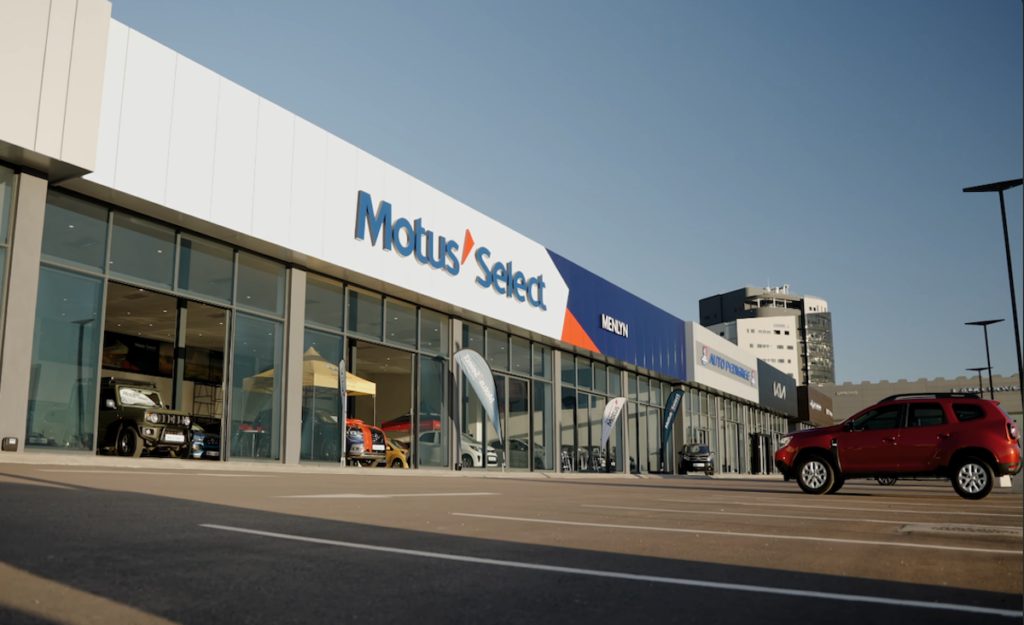
Motus Holdings (Motus) is South Africa’s largest automotive group and car dealership network, and has used this stature to stave off the onslaught of Chinese and Indian imports until now.
The company traces its roots back to 1948, when its founding company, Imperial Holdings Limited, started as a single motor dealership in downtown Johannesburg.
The business operated as the motor division of Imperial Holdings until November 2018, when it unbundled from Imperial to list as an independent entity.
On 22 November 2018, following years of success and growth and its unbundling from Imperial, Motus listed on the JSE’s Main Board under the ticker MTH.
Today, the dealer giant is the exclusive South African importer and distributor of Hyundai, Kia, Renault, Mitsubishi, and Tata Passenger vehicles and parts.
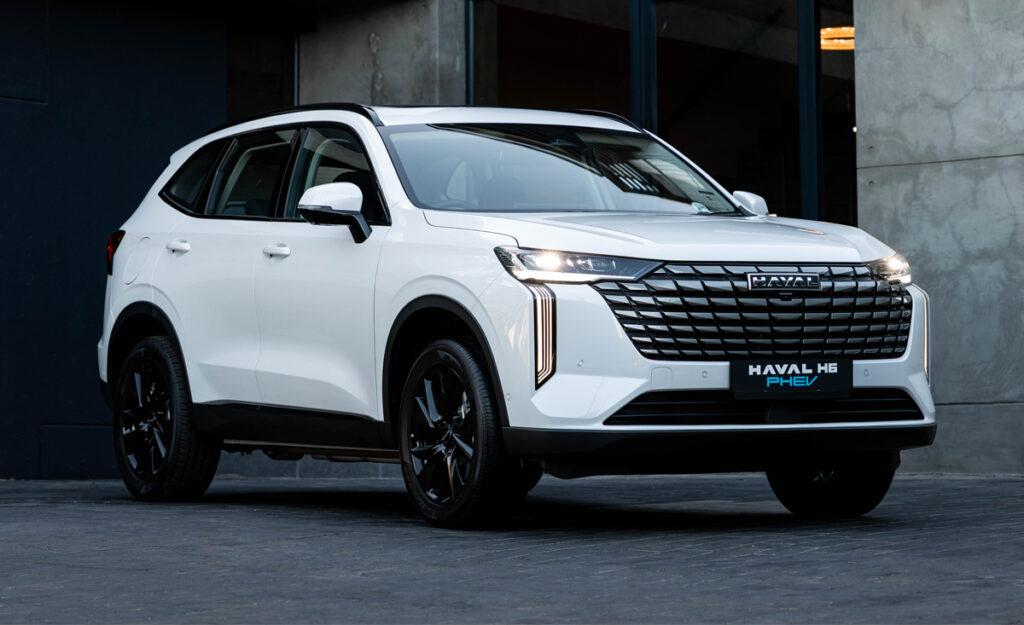
The company also holds distribution rights for brands such as Nissan, GWM, UD Trucks, Omoda, Jaecoo, Changan, and Dongfeng in selected East and Southern African territories.
Much of Motus’s success boils down to its key acquisitions, including several international automotive retail and parts distribution groups.
In 2021, the group acquired a controlling 60% stake in the tech-enabled online vehicle trading platform getWorth, buying out the remaining 40% in September 2024 to reach 100% ownership.
That same year, Motus purchased the remaining 40% non-controlling interest in Renault South Africa from Renault France, renaming it Motus Vehicles Distributor.
It also completed the major R3.7 billion acquisition of UK-based parts distributor Motor Parts Direct (MPD) in October 2022 to expand its international aftermarket parts footprint.
More recently, Motus expanded its dealer network through targeted acquisitions, including Mercedes-Benz retail dealerships in Gauteng and Solway DAF commercial dealerships in the United Kingdom.
In 2026, the company acquired two more major dealerships for R73 million as it continues to capitalise on increased interest in emerging car brands, particularly from India and China.
As a result, Motus has seen its revenue grow consistently since it started reporting during the 2019 financial year.
In that year, it posted revenue of R79.7 billion, which grew to R112.6 billion in the 2025 financial year and reached R113.6 billion in the financial year ended 30 June 2026.
The latest financial year was a highly profitable one for the group, which saw its operating profit grow 4% to nearly R6 billion, while its profits before tax reached over R4 billion – an increase of 20%.
At the close of the 2026 financial year, Motus had a total market capitalisation of R19.5 billion at a closing share price of 11,100 cents (R111.00 per share).
Fending off the Chinese, until now

Initially, Motus focused its resources on defending and growing its long-standing, exclusive importer partnerships with traditional OEMs—specifically Hyundai, Kia, Renault, and Mitsubishi.
The group’s primary vehicle strategy relied on these core brands to meet local customer demand, seeking to reduce its exposure to brands associated with lower quality, high return-on-effort, or lower customer appeal.
As economic pressure mounted and cost-conscious consumers began trading down, Chinese manufacturers rapidly gained market share by offering feature-rich vehicles at highly competitive price points.
Motus management acknowledged that its initial stance towards Chinese brands was too defensive and slow to capture emerging market demand.
Recognising the fundamental structural shift in consumer preferences, Motus made a deliberate strategic pivot, using its multi-franchise dealership infrastructure to partner with them directly
“During the year (2025), we deliberately shifted our strategy, leveraging our route-to-market solution to secure the right Chinese brands and offer them primary locations in the right dealerships across our network,” Motus said.
“In South Africa, Chinese brands are now represented at 18% of non-Importer sites, and discussions continue with OEMs on a broad range of attractive model options for the local market.”
Motus noted that, as it continues to realign its brand portfolio, it continues to close unprofitable dealerships and consolidate facilities, while ensuring the most appropriate multi-brand combinations.



 Loading ...
-2026.10.webp)
Conversation
1 commentsBut they are selling Chinese vehicles as well.