
Chinese cars now account for nearly half of SUV loans in South Africa


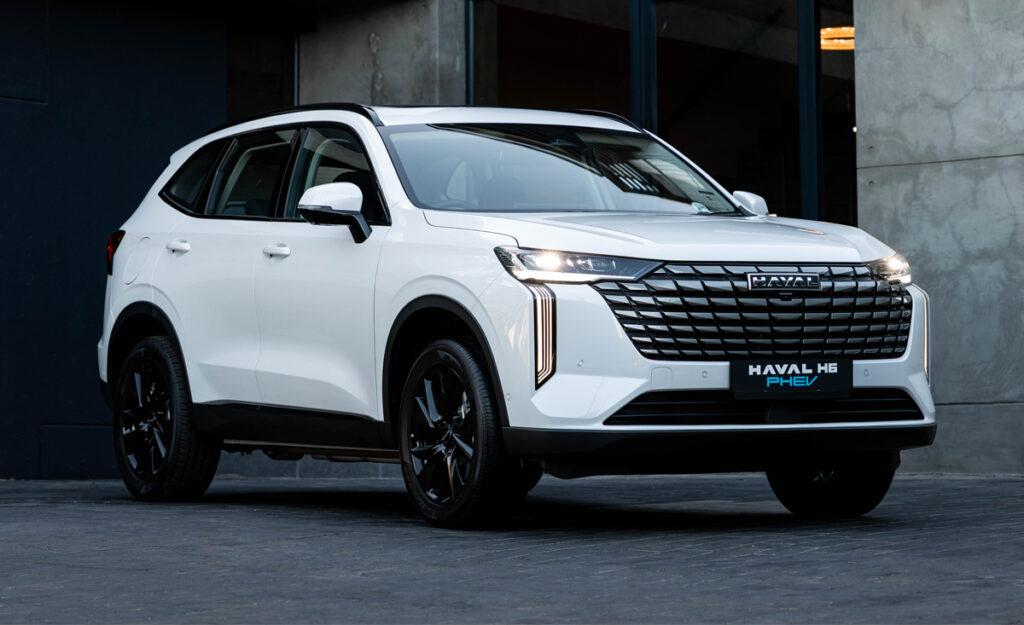
Chinese car brands now account for 40% of all SUV finance applications in South Africa, up from 19% in 2023.
This is according to Absa’s Vehicle and Asset Finance (AVAF) division, which highlighted several emerging trends in the South African car industry in Cars.co.za’s latest annual report.
“SUVs continue to gain momentum – supported by competitive pricing and the rapid growth of Chinese brands,” said Charl Potgieter, Managing Executive at AVAF.
This growth is primarily led by Chery and Haval, which Absa attributed to their lower prices relative to competing legacy brands, keeping SUV prices flat and accessible.
It noted that the Chery Group remains strong within the entry-level market, with the Tiggo 4 Pro topping the list of the most in-demand Chinese vehicles under R400,000.
The Tiggo Cross Hybrid and Tiggo 7 Plug-in Hybrid (PHEV), meanwhile, rank among the fastest-growing new-energy vehicles in South Africa.
In a similar vein, BYD and Geely are emerging as leading players in the country’s burgeoning electric vehicle (EV) scene.
The Geely E2 Aspire derivative is currently the most enquired-on EV on Cars.co.za, while the BYD Dolphin Surf leads at the model level overall.
The BYD Shark PHEV bakkie also saw massive growth over the last year and has maintained this momentum, suggesting its popularity was more than short-lived hype and that the vehicle has real staying power.
Haval’s Jolion crossover continues to be popular in both the new and pre-owned market, with multiple Jolion variants listed in the top 20 most in-demand Chinese cars.
Chery’s sub-brand Jetour also saw an uptick in interest thanks to its T2 SUV, which is now one of the leading Chinese vehicles in the R400,000 to R700,000 bracket.
Looking at the market as a whole, Chinese brands’ stock share on Cars.co.za rose from 1.27% in 2020 to 10.14% in 2026.
“Chinese brands continue to make inroads into the new-car market, with new brands arriving on an almost monthly basis,” reads the report.
“While GWM/Haval and the Chery Group continue to power ahead in new vehicle sales, there are signs that a handful of other Chinese brands are finally growing to prominence.”
China is now the fourth largest country of origin for cars listed on the site, though second-hand demand still lags behind supply, suggesting buyers are favouring new models over older used stock.
“The continuous growth of most of the major Chinese brands in the new-vehicle market will likely impact predominantly used-car dealerships down the line, as this stock enters the pre-owned market,” said Cars.co.za.
“As our site data shows, the rise in stock share of Chinese vehicles has been aggressive, but demand is not scaling as fast, and for buyers considering Chinese vehicles, it appears the appeal of the latest offerings outweigh the appeal of current used-vehicle stock, which may be priced too close to new offerings.”
This trend mainly applies to crossovers and SUVs, where Chinese brands have successfully carved out a sizeable market share thanks to their value-for-money proposal.
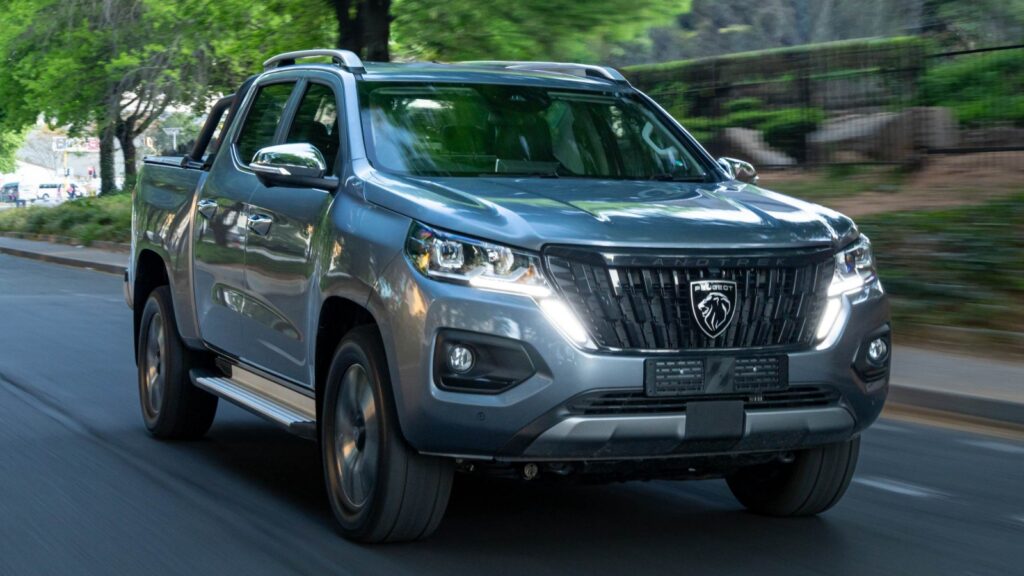
One area where Chinese brands have made relatively little progress is with bakkies, where legacy nameplates like Ford, Toyota, and Isuzu continue to dominate.
The exception is GWM, which has had a presence in South Africa for far longer than most other Chinese brands, and has seen moderate success with its P-Series range.
However, the popularity of the BYD Shark suggests that the pickup market may soon follow suit, particularly in the premium double-cab segment.




 Loading ...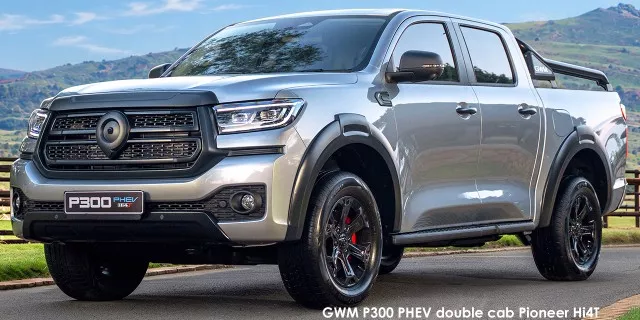
-facelift-2-2025.10.webp)

Conversation
1 commentsBesides the fact that Chinese vehicles feature much better value motoring. It would be interesting to know from which long-established SA automotive companies these consumers migrated from? 40% gain = 40% loss