
New laws in South Africa to stop people from smoking in their cars


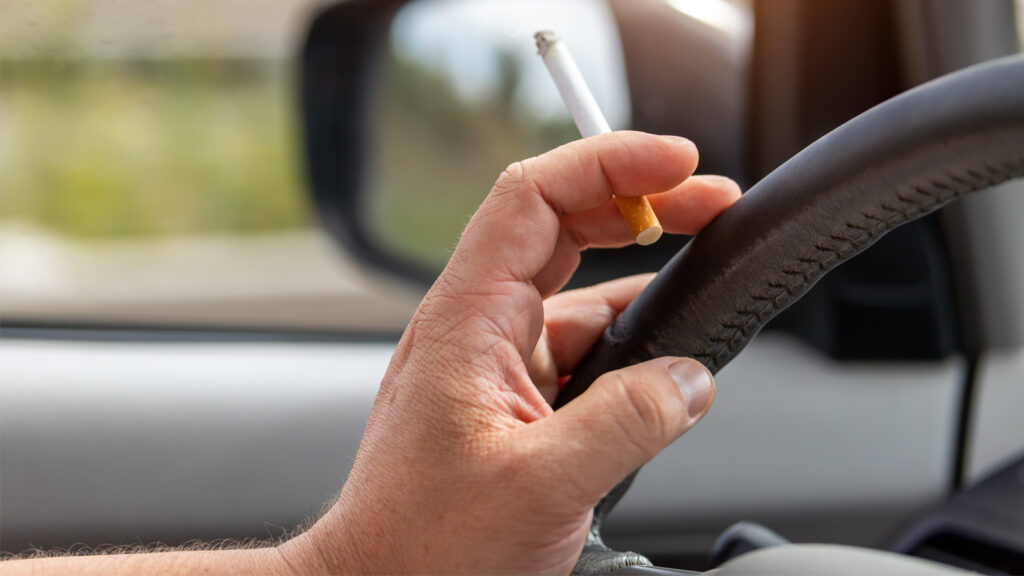
The South African government is working on new laws to ban the use of cigarettes in public spaces and areas where children and non-smokers can be exposed to the smoke, including cars and other forms of transport.
Last month, the Portfolio Committee on Health began clause-by-clause deliberations on the country’s new smoking laws, which have been in the pipeline for years.
In 2022, the government introduced the Tobacco Products and Electronic Delivery Systems Control Bill to Parliament, which aims to regulate the use of cigarettes and e-cigarettes in South Africa.
The proposed legislation includes strict new provisions governing the sale of nicotine and non-nicotine cigarettes for the first time, and where they can be used.
It has been delayed multiple times over the years, but the Portfolio Committee finally began processing the bill in August 2026 after it voted in favour of the laws’ desirability in June.
This was a key moment for the new laws, bringing the committee on board to get the bill before the National Assembly and the Presidency, according to BusinessTech.
The laws are now undergoing step-by-step deliberations where MPs will consider amendments to address concerns within South Africa’s smoking legislation.
Once this step is concluded, the committee will finalise its report and send it to the National Assembly for further debate.
The bill’s primary goal is to tighten regulations on smoking and vaping in South Africa, limiting where people are allowed to use cigarettes and similar products.
It aims to ban smoking and vaping in enclosed public spaces; however, the wording of the legislation is very broad.
Section 2(1)(a) of the bill states that “no person may smoke in an enclosed public place, enclosed workplace, or in or on a public conveyance.”
Crucially, the bill defines a public conveyance as “any aircraft, ship, boat, train, bus, mini-bus, taxi or other vehicle which is used for the transport, for profit or otherwise, of members of the public.”
It also defines a workplace as “any premises, place or space, in or on which one or more persons are employed or perform their work, for work purposes, whether for compensation or voluntarily.”
This includes any pool vehicle or a vehicle used during or incidental to the course of employment or work.
Furthermore, the bill states in Section 2(1)(c) that no person may smoke in “any motor vehicle or a private enclosed space when a non-smoker or a child is present.”
In other words, the new smoking laws will place new restrictions on the use of cigarettes and vaping products in public and private vehicles.
Penalties for people who smoke in restricted spaces
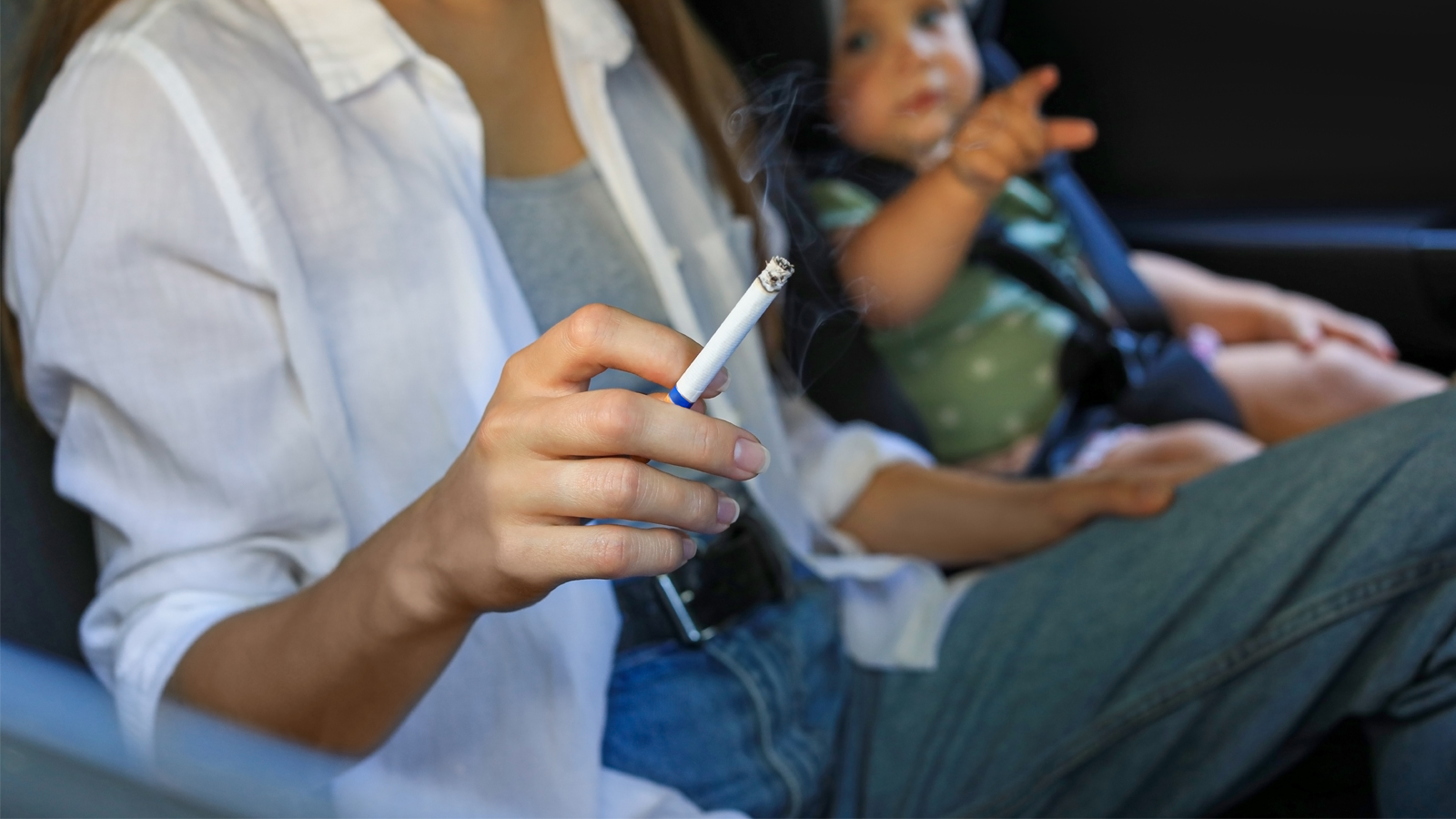
Section 16 of the bill outlines the penalties for persons who contravene or fail to comply with Section 2(1).
It notes that these individuals are guilty of an offence and are liable, on conviction, to a fine, a prison sentence not exceeding three months, or both.
Additionally, it states that anyone who is convicted of smoking in a motor vehicle in the presence of a non-smoker or a child can face a fine, a prison term not exceeding a period of six months, or both.
The bill has been in the works for several years. It concluded its last round of public consultations at the end of 2025.
In addition to the restrictions on smoking in public spaces, the new laws seek to change how cigarettes are packaged, with graphic health warnings and a total ban on display points of sale and vending machines.
It also aims to prohibit advertising, promotions, and sponsorships involving tobacco and e-cigarette products.
All of this is meant to address the health risks associated with smoking, including the impact of second-hand smoke on children and other individuals.
The Health Department’s Dr Tshimi Lynn Moeng-Mahlangu previously stated that it was a constitutional imperative to protect citizens from the harmful effects of second-hand smoke.
” If you have a crèche where the owner or other people are smoking, or have children in the car and adults are smoking, that alone is a problem because it means children are exposed,” she said.





 Loading ...

-2026.10.webp)

Conversation
18 commentsWhere is the law, against those that pee against any tree, or private wall, and who crap in open spaces, in front of public including children..