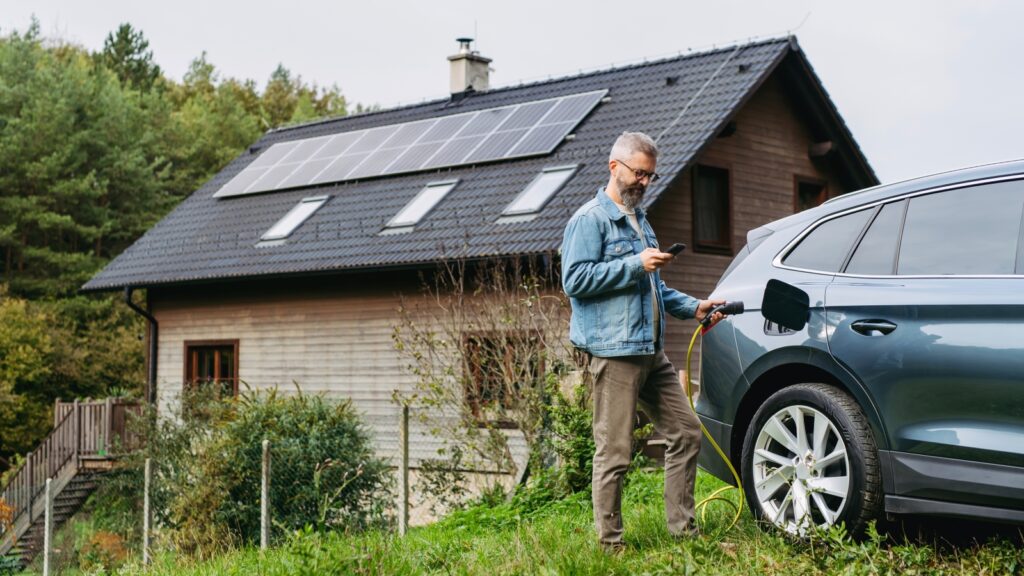
Anyone hoping to never buy another litre of petrol or diesel again will need to invest anywhere from R168,000 to R211,000, on top of the price of an electric car, for a complete off-grid solar charging system.
This is according to South African electric vehicle (EV) charger installer ChargePoint and solar energy advisor EnergyBee.
“Buyers researching an EV charger almost always price the wrong thing first: the unit on the shelf, not the job that gets it working safely on your wall,” said EnergyBee.
“The two are separate line items with separate cost drivers, and conflating them is why quotes can look wildly different for what looks like the same charger.”
ChargePoint added that these off-grid solar EV chargers suddenly became crucial during South Africa’s load-shedding era, making grid-dependent EV charging a genuine liability.
Load shedding would cause public AC and DC stations to go dark during Stage 4 and Stage 6 events, while home grid chargers were no different.
While residential electricity tariffs climbed as Eskom applied an 8.76% increase from 1 April 2026 and a further 9.01% from 1 July 2026, the cost of rooftop solar fell.
Charging an EV at municipal rates can cost anywhere from R3 to R4 per kWh, and costs are only trending in one direction, making solar for general household loads and powering their car make practical sense.
EnergyBee explained that if you already have solar, or plan to add it, the right time to check whether the whole system can cope is when you install the charger, not after the wall box is bolted up.
“A 7kW charger plus household load can be 12kW of peak demand; a 5kVA inverter and a small starter battery were not sized for that,” it noted.
“Installing the charger first and sizing solar later usually means paying for two site visits and, in some cases, redoing wiring the electrician just finished.”
The half-a-million rand move away from petrol
The first step in EV ownership in South Africa is buying the vehicle, which costs at least R339,900 – the price of the Geely E2 Aspire.
Once purchased and the buyer chooses to go off the grid, they need to spend an additional R200,000 on the four system components, including the solar array, the battery bank, the EV charger and wallbox, and compliance.
This calculation is broken down to R75,000 to R95,000 for solar, R76,000 to R88,000 for batteries, R12,000 to R18,000 for the charger, and R5,000 to R10,000 for compliance and inverter work.
According to ChargePoint, a 5kW solar array is the minimum practical size for a home that also wants to charge an EV and can cost up to R95,000 fully installed, while the cost per kilowatt drops above 8kW.
On average, a three-bedroom house consuming 15 to 20kWh per day typically needs a system in this range to keep up with household loads and EV charging combined.
Once the solar array is installed, it needs to store the energy it generates, which is where off-grid systems can become expensive.
ChargePoint claimed that solar batteries can cost as much as R4,500 to R7,000 per kWh in South Africa, meaning a 20 to 40 kWh battery bank for a three-bedroom home costs at least R76,000 to R88,000.
That said, more affordable battery storage can run closer to R2,500 per kWh, bringing the total down to around R50,000 instead.
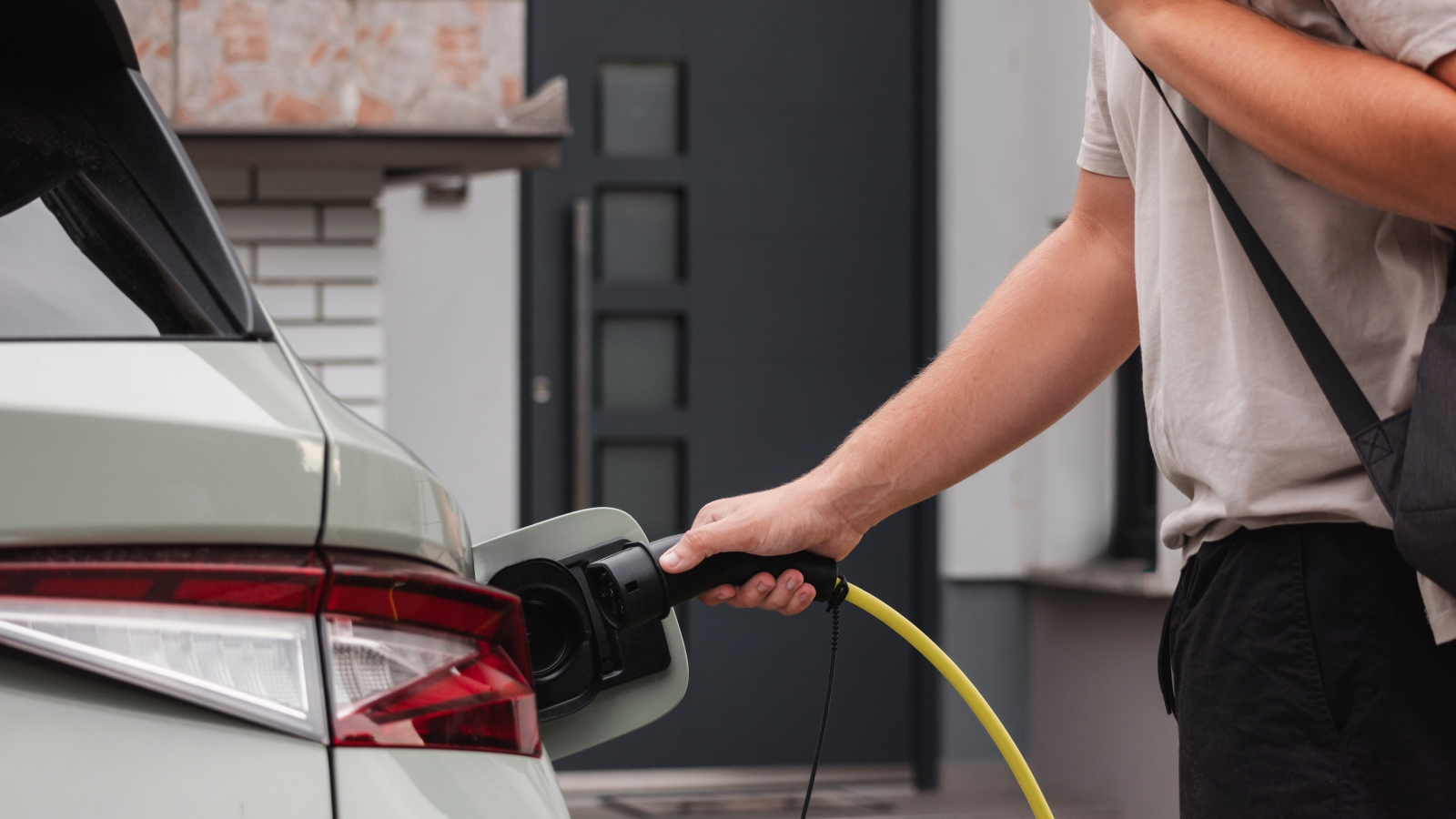
Once the solar array and battery storage are in place, a home wallbox is needed to charge the EV, which can cost anywhere from R12,000 to R25,000 fully installed.
A 7kW home wallbox can refill a 60kWh battery from empty in just under 8 hours, while the 20-80% window takes approximately 5 hours.
Some EVs in South Africa accept three-phase AC charging, which a 22kW wallbox can turn into a 1 to 2-hour charge instead.
This, however, depends on the vehicle’s battery, which determines how quickly it can be recharged, not the wallbox.
Once fully installed, insurers and municipalities require an electrical certificate of compliance from a registered electrician, which can cost an additional R1,500 to R3,000 and is usually included in the installation quote.





 Loading ...
-2026.10.webp)