


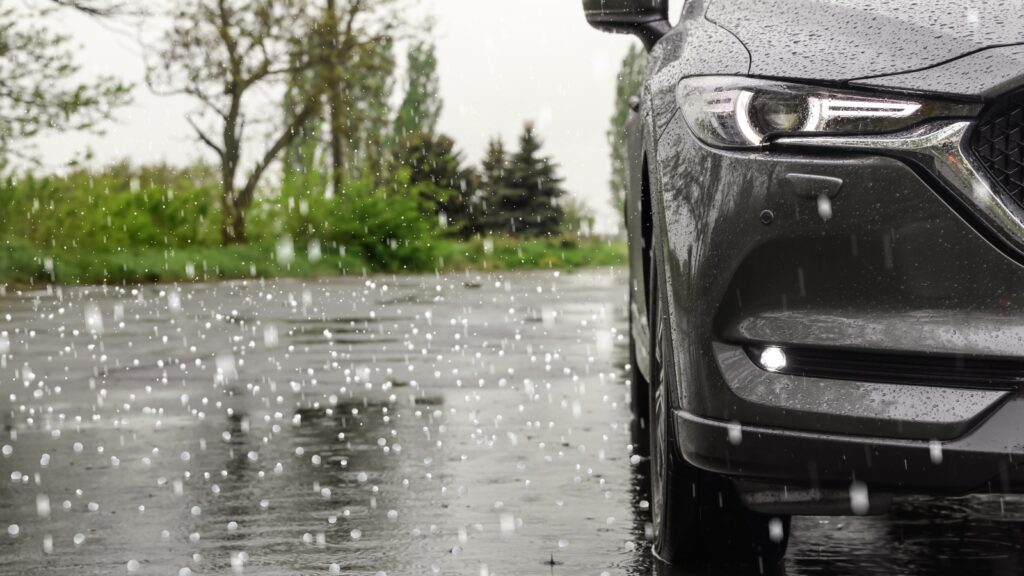
Because most of South Africa’s hailstorms occur in the summer months, hail damage car insurance claims also spike, and unfortunately for local motorists, November is when a majority of these storms occur.
This is according to claims data from digital insurance platform Naked, which highlighted the month as the peak period for weather-related car insurance claims.
Naked’s data from 2023 to 2025 shows that November alone accounted for around 57% of all weather-related car insurance claims, while December contributed a further 11%.
It added that hail damage accounted for 82% of weather-related claims, at an average of R32,000 to R37,000 per claim, covering everything from assessment and repairs to car hire.
Naked’s data highlighted that while November is the peak month for weather-related claims, they start in October each year and remain relatively elevated through to January.
“Our data shows your exposure to weather-related risks increases sharply during this time of the year, particularly on the Highveld where thunderstorms, heavy rain and hail can cause significant damage,” said Sumarie Greybe, co-founder of Naked.
Because vehicle repair costs are rising, the insurer said that it is important for motorists to take practical steps to protect their car and understand what their insurance covers.
“When severe weather hits, we often see an increase in claims for vehicles damaged by flooding, hail, falling branches and collisions in difficult driving conditions,” added Greybe.
“But it is important to note that these figures only capture claims classified as weather-related damage, so they don’t tell the whole story.”
For example, a collision that occurred in the rain would typically be recorded as an accident claim, even if the weather conditions contributed to it.
“The risks therefore extend beyond direct storm damage. Taking reasonable care of your vehicle, finding shelter where possible and adjusting how you drive to suit the conditions can help reduce the risk of damage or an incident,” said Greybe.
Lowering the risk

According to Naked, there are a few simple steps for motorists to take to reduce their risk of having to submit a claim ahead of the summer season.
The insurer advised checking equipment like tyres, windscreen wipers and lights ahead of the rainy season, in case you get caught in poor weather and keeping an eye on weather warnings to avoid unnecessary driving.
“If you get caught in severe rain or a hailstorm, find a safe place to pull over, ideally under cover and away from trees or flood-prone areas. Avoid stopping where you could obstruct traffic,” it noted.
Similarly, motorists should avoid driving on flooded roads and should instead turn around and find a safe alternative route.
“Slow down on wet roads, increase your following distance and switch on your headlights to improve visibility,” Naked advised.
“If you need to stop because of an emergency, pull over safely and use your hazard lights to warn other drivers.”
If a motorist gets caught in severe weather and their vehicle is damaged, the insurer urged them to put their safety first, prioritise safety and contact emergency services if needed.
“If you suspect water damage, do not start or restart the engine. Contact your insurer’s emergency assistance line for advice and towing assistance,” it said.
Naked added that motorists should avoid driving if the damage makes their car unsafe to use. If the windscreen is shattered, driving may be unsafe, and the risk of having an accident may be higher.
“Speak to your insurer before arranging major repairs, unless immediate action is needed for safety or to prevent further damage,” the insurer said.
“Submit your claim as soon as possible. If your insurer offers claims through an app, this can help you submit the details without waiting for a call centre agent.”




 Loading ...
-2026.10.webp)



-2026.10.webp)