Two years ago, South Africa exported 24,681 locally manufactured vehicles to the United States and generated R28.6 billion in export revenue, but tariffs and AGOA exclusion have damaged the trade relationship.
The Automotive Business Council (Naamsa) expressed concern over the US administration’s intention to terminate the country’s participation in the African Growth and Opportunity Act (AGOA).
South Africa’s exclusion would take effect on 1 January 2027 and would further strain the bilateral trade relationship, with Naamsa hoping diplomatic engagement will secure a constructive and mutually beneficial outcome.
That said, from an automotive industry perspective, the additional direct impact of South Africa’s proposed exit from AGOA is expected to be limited.
This is because vehicle export volumes to the US have already declined substantially following the introduction of Section 232 tariffs.
“Importantly, the proposed termination does not close the US market to South African automotive products. Exports will remain possible, although subject to the applicable US tariff regime,” explained Naamsa.
It added that the Act played an important role in strengthening trade and investment ties with the US, as the automotive sector accounted for 64% of South Africa’s AGOA trade in 2024.
That year, vehicle exports to the US generated R28.6 billion in export revenue, with 24,681 vehicles exported under the programme.
According to Naamsa, these trade flows reflected decades of investment, manufacturing integration and market development.
However, the US imposed 25% tariffs under Section 232 of the Trade Expansion Act on imported vehicles from April 2025 and automotive parts from May 2025, which already affected export volumes.
“South African vehicle exports to the US declined by 83.2%, from 24,682 units in 2024 to 4,136 units in 2025,” said Naamsa.
“This contraction provides important context for assessing the likely incremental impact of the proposed AGOA termination on the automotive sector.”
South Africa’s automotive sector has a backup plan
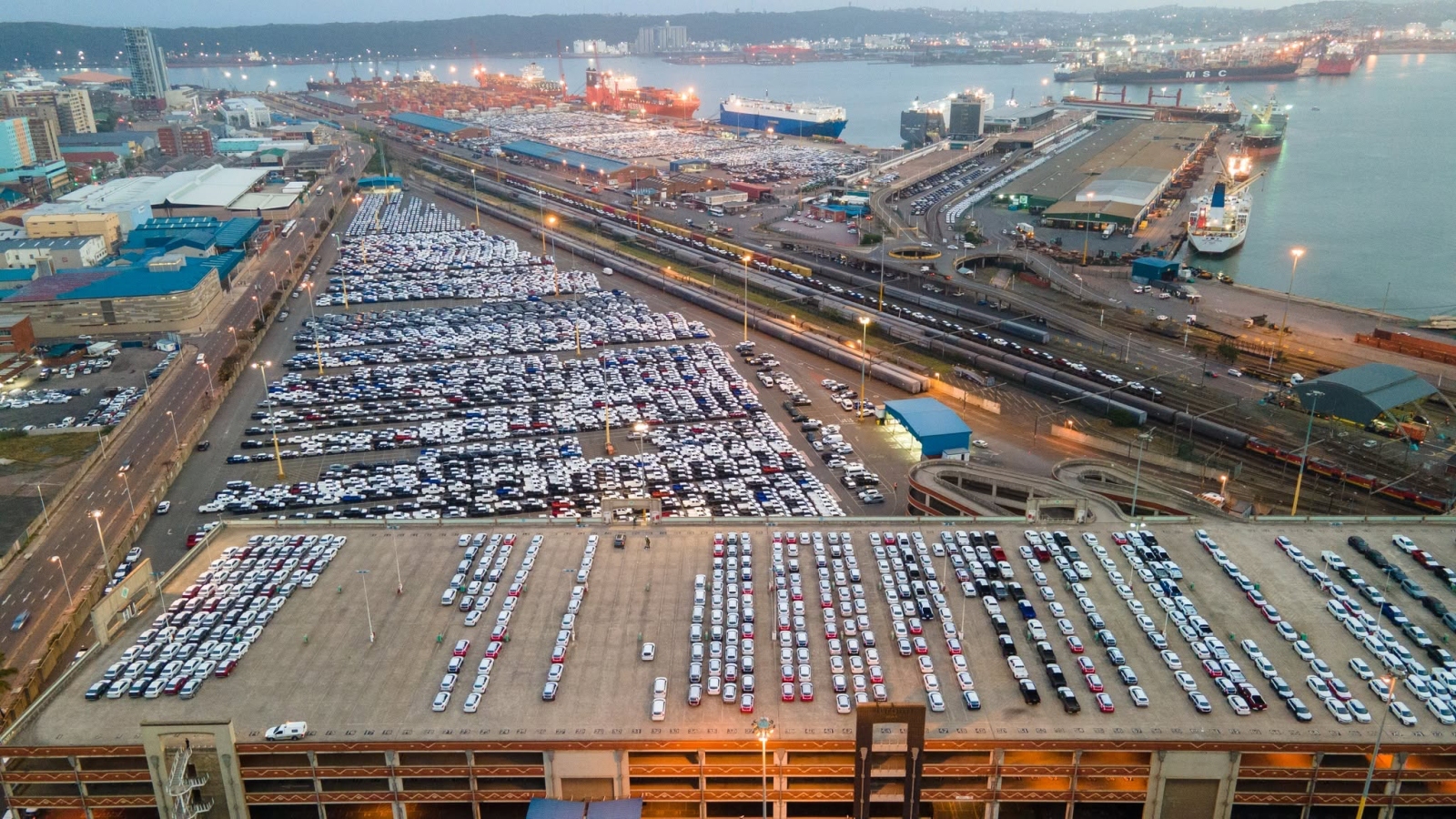
At the same time that the US has hit the local automotive manufacturing sector with tariffs and AGOA exclusions, the industry has recorded improved export performance in markets such as Canada.
Naamsa explained that original equipment manufacturers (OEMs) have demonstrated their commitment to strengthening their presence in the North American region.
“While these volumes remain small compared with previous exports to the US, they form part of the industry’s broader export diversification efforts,” it added.
That said, established markets like the US and long-standing trade relationships remain valuable.
Naamsa said the proposed termination of South Africa’s AGOA eligibility must be considered in the context of the automotive industry’s wider economic contribution.
“In 2025, the sector accounted for 23.8% of domestic manufacturing output and supported an extensive network of original equipment manufacturers, component suppliers, logistics providers and related businesses,” it noted.
“Predictable and competitive market access is essential to sustaining production volumes, investment, supplier development and employment.”
South Africa’s automotive industry is working on diversifying export markets and strengthening trade relationships with key markets, while advancing opportunities under established trade agreements.
These include the EU-SADC EPA, SACU-UK EPA and the African Continental Free Trade Area (AfCFTA).
“However, diversification takes time and does not replace the value of established markets and longstanding investment partnerships,” said Naamsa.
“The US remains an important trading partner, and preserving commercially viable access is in the interests of both economies.”
Naamsa committed to supporting the Department of Trade, Industry and Competition (DTIC), noting that the priority remains protecting South Africa’s manufacturing, sustaining investment, and safeguarding jobs.





 Loading ...